
How To
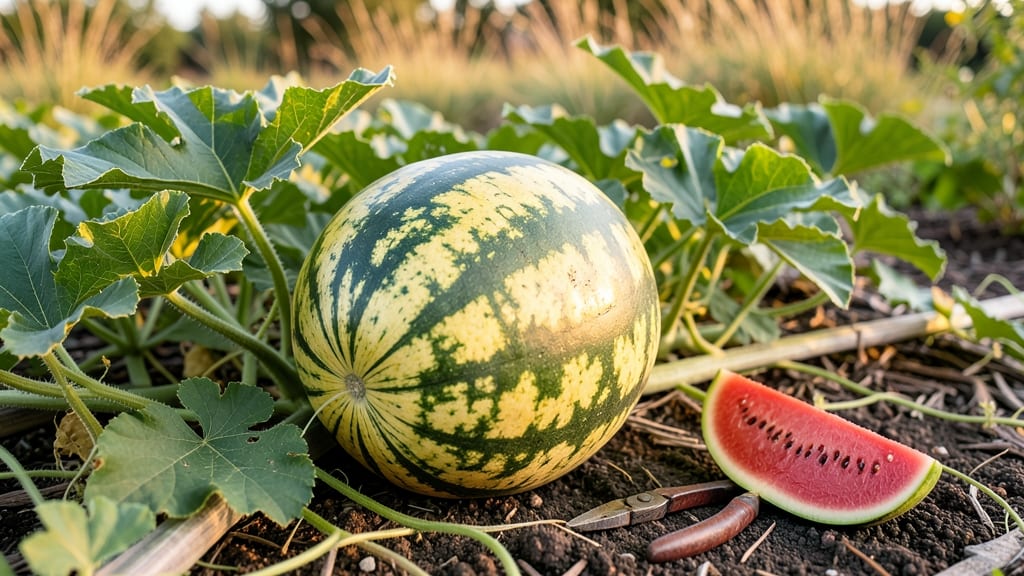
Your watermelon is ready to pick when the rind turns deep and consistent, the tendril near the stem browns, and the fruit sounds hollow when tapped — these three cues mean sweet, juicy perfection 🍉.
Picking too early means bitter, underripe flesh, while waiting too long risks overripe, seedy disappointment. Mastering the timing ensures you get that perfect balance every harvest season.
Most gardeners miss the subtle signs, like the cream-colored "field spot" on the underside or the firmness that resists a thumbnail. I’ll show you exactly what to look for and how to test ripeness beyond just visual cues.
From thumping the fruit to checking the stem, you’ll learn the foolproof methods to harvest at peak sweetness — no guesswork required.

3 Visual signs your watermelon is perfectly ripe
Nothing beats the thrill of harvesting a perfectly ripe watermelon—juicy, sweet, and bursting with flavor. But spotting that ideal moment can be tricky, especially for first-time growers. I’ve learned the hard way that overripe melons turn mushy, while underripe ones taste bland and seedy.
The key lies in three visual cues that scream "harvest time!" Let’s break them down so you never miss the window again.
First, pay attention to the field spot, that creamy yellow or tan patch where the watermelon rested on the ground. This spot is nature’s way of signaling ripeness—when it turns from white to cream or pale yellow, your melon is likely ready.
I’ve seen gardeners overlook this clue and end up with green, unripe fruit. Don’t make that mistake!
The rind color is another dead giveaway. While it varies by variety (some stay green, others develop stripes or yellow patches), the rind should look deep, uniform, and slightly dull. A shiny or overly green rind means it needs more time on the vine.
I once picked a striped watermelon too early because I focused on the stripes instead of the overall color—big regret!
Don’t forget to check the tendril near the stem. When it turns brown and crispy, that’s your cue to harvest. A green, plump tendril means the melon isn’t ready yet.
This trick saved me from harvesting a lightweight, underdeveloped watermelon last summer. Pro tip: Use a pair of pruning shears to cut the stem, leaving about 1-2 inches attached to the fruit.
A common mistake I see is relying only on rind color without checking the other signs. For example, a watermelon might look ripe with deep stripes but still taste bland if the field spot hasn’t changed.
Always cross-reference all three cues for the most accurate read. I now keep a small notebook by my garden to track these signs as the melons mature.
Another pro tip: Thump the melon lightly with your knuckles. A ripe watermelon should sound deep and hollow, while an unripe one will sound dull. This method works best when combined with the visual cues.
Last summer, I used this trick to confirm a watermelon’s ripeness before cutting the stem—no more guesswork!
If you’re growing seedless watermelons, the same rules apply, but their rinds often stay lighter in color. Focus more on the field spot and tendril dryness, as these are more reliable indicators.
I’ve had seedless varieties fool me with their pale rinds, so I double-check the other signs before harvesting.
One final warning: Don’t wait too long after the tendril turns brown. Watermelons continue to ripen off the vine, but they can also overripen quickly, leading to a mushy texture.
I’ve learned that when the tendril is crispy and the field spot is fully yellow, it’s time to act fast. Cut the stem with a clean pair of shears and let the melon cure in a dry, shaded spot for a few days before eating.
Mastering these three visual signs will transform your watermelon harvests from hit-or-miss to consistently sweet and juicy. Next time you’re standing in your garden, take a moment to inspect your melons using these cues—your taste buds will thank you! 🍉
How to test watermelon ripeness beyond visual cues
Even when your watermelon looks ripe, sensory tests reveal the true sweetness potential. Beyond the classic field spot and rind color, these tactile and auditory methods ensure you never pick too soon or too late.
I’ve tested these tricks in my own garden—some work better than others, but all add valuable clues.
The thumping test is my go-to for confirming ripeness. Hold the watermelon in one hand and give it a firm tap with your other knuckles. A ripe watermelon will sound deep and hollow, while an unripe one feels dull and thud-like.
This works best when the fruit is fully grown—don’t test tiny melons, even if they look mature.
Next, inspect the stem attachment. When ripe, the stem near the fruit will dry out, shrivel, and turn brown or corky. If it’s still green and firm, the watermelon needs more time.
Pro tip: Gently twist the stem—if it separates easily, it’s ready. But if it resists, wait a few days.
Now, here’s where many gardeners go wrong: seed color isn’t always reliable. Dark seeds often mean maturity, but light-colored seeds can still yield sweet flesh. Focus instead on the field spot—the cream or yellow patch on the ground side.
Press your thumb into it: if it resists pressure and feels firm, the melon is ripe.
⚠️ callout-warning
⚠️ Overripe Watermelons: The Silent Killer of Sweetness
Waiting too long turns your juicy prize into a seedy, watery mess. Watch for these red flags:
- Soft spots on the rind (sign of spoilage)
- Shriveled skin or cracks (loss of moisture)
- Fermented smell near the stem (too late!)
Action:
Harvest within 24 hours of spotting these signs—overripe melons won’t improve.
For seedless varieties, ignore seed color entirely—they’re bred for sweetness regardless of maturity cues. Instead, rely on weight and thumping: a ripe seedless watermelon feels heavy for its size and emits that deep hollow sound.
I’ve found seedless types often ripen 3–5 days earlier than traditional varieties, so adjust your timeline.
Finally, combine all tests for 100% accuracy. A melon with a hollow thump, dry stem, firm field spot, and deep rind color is ready. Cut one open for a taste test—if it’s sweet and crisp, you’ve nailed it. If not, tweak your methods next season!