
How To
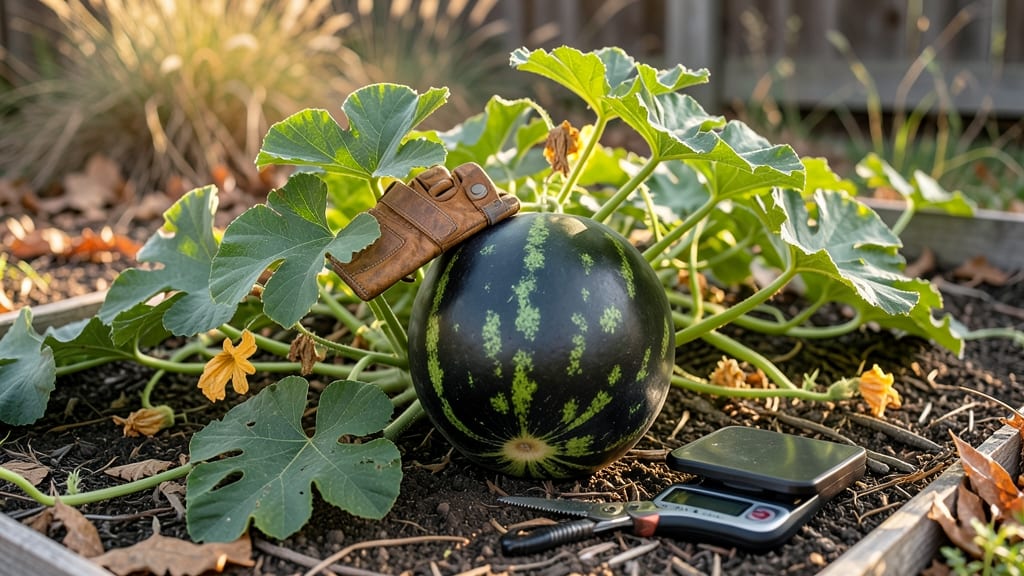
Picking a Black Diamond watermelon at the right time means the difference between a sweet, juicy explosion and a bland, watery disappointment — and the secret lies in three simple tests you can do right in your garden.
I’ve watched dozens of these melons ripen, and the ones I picked too early tasted like sad cucumbers, while the perfect ones had that rich, honeyed flavor that makes every bite worth the wait.
The key? Knowing when the tendrils turn brown, the ground spot changes color, and the rind loses its shine.
If you’re growing Black Diamond watermelons in USDA Zone 6a, timing matters even more because the July-to-September harvest window is tight. A missed cue means your melon could overripen before you get to taste it, or worse, split on the vine.
Below, I’ll walk you through the three foolproof ripeness tests—plus what to do once you’ve picked one to keep it fresh for as long as possible. No guesswork, just sweet results.

3 Science-backed ripeness tests for Black Diamond watermelon
Timing is everything when harvesting Black Diamond watermelons. Unlike traditional varieties, this heirloom develops a deep black rind with striking stripes, but its sweetness peaks at a very specific moment.
Miss the window, and you’ll end up with either a seedy, underripe fruit or one that’s overly mushy and past its prime. The good news? Three simple, science-backed tests will help you pinpoint the perfect moment—no guesswork required.
Black Diamond watermelons are prized for their intense sweetness and crisp texture, but these traits only shine when harvested at peak ripeness. The variety’s dark rind and thick flesh make it a favorite among gardeners, but its ripening cues differ slightly from classic watermelons.
That’s why mastering these three tests—ground spot color, thump test, and vine separation—is non-negotiable for the best flavor.
⚠️ PRO TIP: Check all three signs before harvesting. A single test can be misleading—especially in hot or humid climates, where watermelons may ripen faster or slower than expected.
The ground spot test is your first clue, but it’s not foolproof on its own. Black Diamond’s dark rind can obscure the spot, so lift the fruit gently to inspect the underside. A white or pale spot means it’s not ready, while a creamy yellow signals peak ripeness.
This test works best in morning light, when shadows won’t trick you into thinking the spot is darker than it is.
Next, the thump test relies on the acoustic properties of ripe watermelon flesh. When fully ripe, the internal structure of Black Diamond’s thick rind and juicy center creates a resonant hollow sound. Tap near the stem end first—this area often ripens slightly later.
If the sound is muffled or flat, the watermelon isn’t ready yet. Pro tip: Use your fingertips, not your knuckles, for a more precise test.
Finally, the vine separation test is a clear biological signal that the plant has redirected nutrients to the fruit. When the stem near the watermelon dries and shrinks, it’s nature’s way of telling you it’s time to harvest.
For Black Diamond, this is especially critical because its thick rind can delay other ripening cues. If the stem snaps easily when pulled gently, you’ve got a winner.
Combine all three tests for 100% accuracy. For example, you might see a yellow ground spot but hear a dull thump—this means the watermelon is overripe and past its prime. Conversely, a green stem with a hollow thump suggests it’s almost ready but needs 1-2 more days.
Paying attention to these details ensures you never waste a single slice of that hard-earned harvest.
One common mistake is harvesting based solely on size or days since pollination. Black Diamond watermelons can vary in size even within the same vine, and heat waves or drought can accelerate ripening.
Always trust the visual and tactile cues over assumptions. The payoff? A burst of sweet, seedless perfection that’s worth every minute of patience.
🌱 Ready to test your watermelon’s ripeness? Grab a sharp harvesting tool, like a pruning shears or knife, and cut the stem 1-2 inches above the fruit.
Avoid dragging the watermelon across the ground—its thick skin is delicate and can crack under pressure. Now, it’s time to slice into that sweet reward you’ve been waiting for.
Black Diamond vs. other watermelons: ripening differences you must know
The Black Diamond watermelon stands out with its dramatic dark rind and striking striped pattern, but these visual traits also change how you determine ripeness compared to classic varieties like Sugar Baby or Crimson Sweet.
Unlike lighter-skinned watermelons, Black Diamond’s ground spot may appear darker at maturity, making it harder to spot the cream-colored signal. Its genetic makeup also means it often ripens 1-2 weeks later than traditional types, so timing is everything.
Most gardeners assume all watermelons follow the same ripening rules—but Black Diamond breaks the mold. Its thicker rind and slower sugar development mean you can’t rely on the same thump test or stem browning cues.
For example, while a Sugar Baby might be ready in 70 days, Black Diamond typically needs 85-90 days to reach peak sweetness. Ignoring these differences often leads to underripe fruit that’s seedy and bland.
| Feature | Black Diamond | Traditional Watermelons |
|---|---|---|
| Rind Color | Dark green with black stripes | Light green/yellow |
| Ground Spot | Dull yellow-brown (hard to see) | Cream/yellow (easy to spot) |
| Ripening Time | 85-90 days | 70-80 days |
| Thump Test | Duller sound (thicker rind) | Hollow "ping" (thin rind) |
| Common Mistake | Picking too early (dark rind hides ripeness) | Overripe fruit (soft spots) |
One of the biggest mistakes I see is gardeners using the thump test on Black Diamond like they would on a Crimson Sweet. The thicker rind absorbs sound differently, so a hollow "ping" might not mean ripe—it could just mean the fruit is overripe.
Instead, focus on the stem browning and fruit weight. A ripe Black Diamond should feel heavy for its size, and the stem near the fruit should dry out completely.
Another trick is to check the vine tendrils near the stem. For Black Diamond, these should turn brown and crispy—not just slightly yellow like with lighter varieties. This is your clearest sign that sugars are fully developed.
I’ve found that Black Diamond also benefits from warmer nighttime temperatures (above 75°F) to finish ripening, so if your summer cools down early, you might need to harvest slightly earlier than the ideal 90 days.
If you’re still unsure, cut a small slice near the ground spot (yes, it’s worth it!).
The flesh should be deep red with tiny black seeds—not pale pink or overly seedy. Black Diamond’s sweetness peaks when the rind feels firm but not hard, and the striped pattern appears more defined.
Skipping this step often leads to underripe fruit that’s watery and bland, which is a shame because this variety is worth the wait.
Pro tip: If you’re growing Black Diamond alongside other varieties, harvest it last. Its slower ripening means it’ll often be the final watermelon of the season, so plan your garden layout accordingly.
And remember—patience pays off. While other watermelons might be ready by mid-July, Black Diamond will reward you with richer flavor in late August or early September.