
Picking
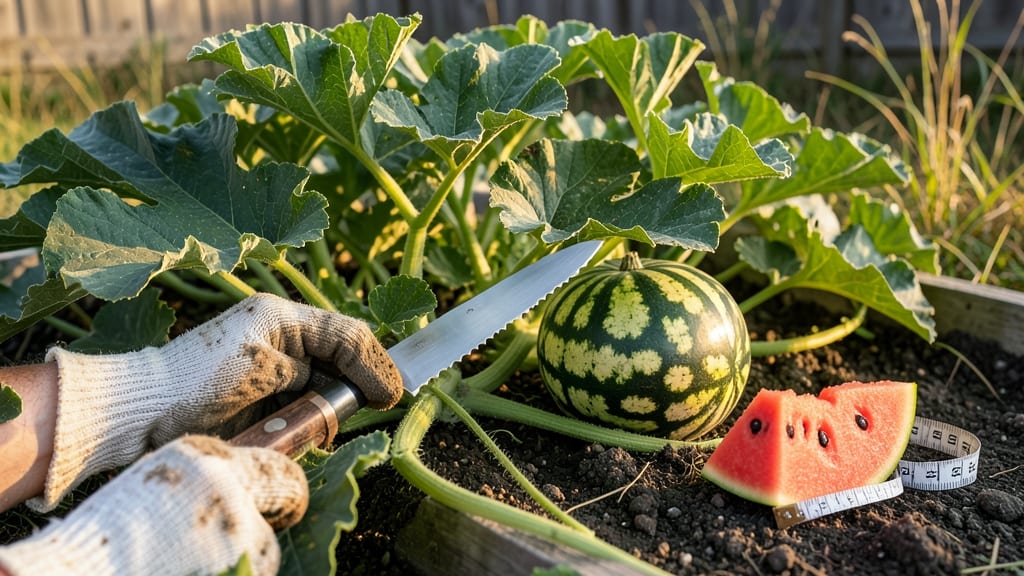
To pick a Sugar Baby watermelon 🍉 at the perfect moment means the difference between a burst of juicy sweetness and a bland, seedy disappointment.
Picture this: you’ve waited 70-90 days for your vines to produce, only to slice open a melon that’s either rock-hard or mushy.
That’s why knowing the exact signs of ripeness—like a creamy yellow spot on the ground or a tendril that’s dried to crisp—isn’t just helpful, it’s essential for this fast-ripening variety.
Most gardeners miss the window because they focus on size alone, but Sugar Baby melons mature quickly, and overripe fruit loses its signature tenderness. Below, I’ll walk you through the three foolproof cues to harvest at peak flavor, plus how to adjust for your local climate.
By the end, you’ll never second-guess whether that melon is ready—just grab your knife and enjoy the reward of your hard work.

3 Visual and physical signs your Sugar Baby watermelon is ready to pick
Harvesting a Sugar Baby watermelon at the perfect moment transforms your garden into a treasure trove of sweet, juicy rewards. Unlike larger watermelon varieties, the Sugar Baby has a thin rind and ripens faster, making it easy to miss the window if you’re not watching for these key signs.
The difference between a melon that’s underripe (bland and seedy) and one that’s overripe (grainy and tough) often comes down to these three foolproof indicators—each tailored to the Sugar Baby’s unique traits.
I’ve learned the hard way that waiting for the "perfect" day isn’t always enough—especially with fast-ripening varieties like Sugar Baby. Over the years, I’ve trained myself to check these visual and physical cues every 2-3 days during peak ripening season.
The payoff? Melons that burst with flavor and sugar content that rivals store-bought varieties (without the artificial aftertaste). Let’s dive into the must-know signs that your Sugar Baby is begging to be picked.
Look for the small tendril closest to the watermelon’s stem. When it turns brown and crispy, this is your first green light. Sugar Baby’s tendrils dry out faster than larger varieties, so don’t wait too long—this sign appears 2-3 days before peak ripeness.
The yellow or cream-colored spot where the melon rested on the ground should turn dull and slightly rough to the touch. For Sugar Baby, this spot often appears sooner than expected due to its thin rind. Press gently—if the spot feels slightly soft or powdery, it’s ready. A shiny or green spot means wait 1-2 more days.
Give the melon a firm tap with your knuckles. A ripe Sugar Baby will sound deep and hollow, almost like a drum. If it sounds dull or flat, it’s not ready yet. Pro tip: Tap near the ground spot—this area is the most reliable for sound testing. Overripe melons may sound too hollow and feel mushy when squeezed.
Now that you know the three golden signs, let’s talk about why they matter so much for Sugar Baby specifically. Unlike heirloom watermelons with thick rinds, Sugar Baby’s delicate skin can crack or split if left on the vine too long.
That’s why I always prioritize the tendril check—it’s the earliest warning that ripening is underway. I’ve found that Sugar Baby melons often ripen 5-7 days faster than larger varieties, so I start monitoring these cues as early as 65 days after planting (even if the melon isn’t full-sized yet).
One mistake I used to make was relying only on the ground spot color. I’d see a yellowish patch and assume the melon was ready—only to find it still hard and underripe. That’s why I now combine all three signs before harvesting.
For example, if the tendril is brown but the melon sounds dull when thumped, I’ll wait another day. This double-checking has saved me from picking melons that were seedy, bland, or tough.
Here’s another pro tip: Harvest in the morning. Sugar Baby watermelons are most flavorful when picked cool and crisp, right after the dew has dried. I’ve noticed that melons harvested in the afternoon—especially on hot days—can develop a slightly bitter edge in flavor.
Plus, morning harvests give you time to cure and store them properly before they overripen. Speaking of curing, Sugar Baby melons should be left in a shady, dry spot for 3-5 days after picking to let their sugars fully develop.
If you’re growing Sugar Baby in a container or raised bed, keep an eye on the vine’s growth pattern. These melons tend to ripen earlier in containers because they’re exposed to more consistent warmth.
I once grew a Sugar Baby in a 5-gallon bucket and had to harvest it 72 days after planting—earlier than my in-ground plants! This is why regional adjustments matter.
In hotter climates (like Zone 9 or 10), Sugar Baby melons may ripen in as little as 60 days, while in cooler zones (like Zone 7), they might need the full 80-90 days. Always adjust your expectations based on your local last frost date and summer temperatures.
Finally, don’t overlook the size—though it’s not the most reliable indicator. Sugar Baby watermelons typically weigh 4-8 pounds at maturity, but they can be fully ripe at smaller sizes if all other signs are met.
I’ve picked 3-pound Sugar Babies that were sweeter and more tender than 10-pound melons left on the vine too long. When in doubt, trust the tendril, ground spot, and thump test over size alone.
These cues are consistently accurate for Sugar Baby, and they’ll help you avoid the bitter disappointment of an underripe melon.
🍉 Ready to put these tips into action? Grab your gloves, head to the garden, and give those Sugar Babies a gentle once-over—your taste buds will thank you!
How to test Sugar Baby watermelon ripeness: the ultimate guide (beyond the basics)
When it comes to Sugar Baby watermelons, standard ripeness tests like the "thump test" can be misleading due to their thin rinds and rapid maturation. Unlike traditional varieties, these melons ripen faster and often lack the same visual cues.
To avoid disappointment, I’ve refined my approach to include advanced techniques that account for their unique traits. These methods ensure you pick melons at their peak, balancing sweetness and texture.
One of the most reliable tricks I use is the "field spot" check. Look for a creamy yellow or white patch where the melon rests on the ground. This spot indicates the melon has fully matured and is ready to harvest.
For Sugar Baby varieties, this patch often appears more prominently due to their lighter rind color. Combine this with other cues to confirm ripeness.
Here’s how I compare Sugar Baby watermelons to traditional varieties for ripeness testing:
| Ripeness Test | Sugar Baby Watermelon | Traditional Watermelon |
|---|---|---|
| Field Spot | Creamy yellow/white patch | Yellow or tan patch |
| Tendril Color | Brown or dried | Brown or dried |
| Rind Texture | Slightly dull, thin rind | Dull, thicker rind |
| Sound Test | Hollow but soft (thin rind) | Deep, hollow sound |
| Weight Assessment | Feels heavy for size | Heavy for size |
Another technique I swear by is the weight assessment. Hold the melon in your hands—if it feels heavy for its size, it’s likely ripe. Sugar Baby watermelons are smaller, so their weight-to-size ratio is a critical clue.
Pair this with the sound test: tap the melon with your knuckles. A ripe Sugar Baby should produce a soft, hollow sound, not the deep echo of a traditional watermelon.
Common mistakes can lead to underripe or overripe melons. For instance, relying solely on rind color can be misleading—some Sugar Baby varieties stay light green even when ripe. Additionally, waiting too long can result in a melon that’s overly soft or seedy.
To avoid this, I recommend harvesting within 2-3 days of noticing the field spot and other ripeness cues.
For container gardeners or those in cooler climates, timing is even more critical. Sugar Baby watermelons mature quickly, often in 70-80 days, so stay vigilant. If you’re unsure, slice one open—if the seeds are dark and the flesh is deep red, you’ve nailed the perfect harvest.
Otherwise, give it a few more days and try again.