Plants
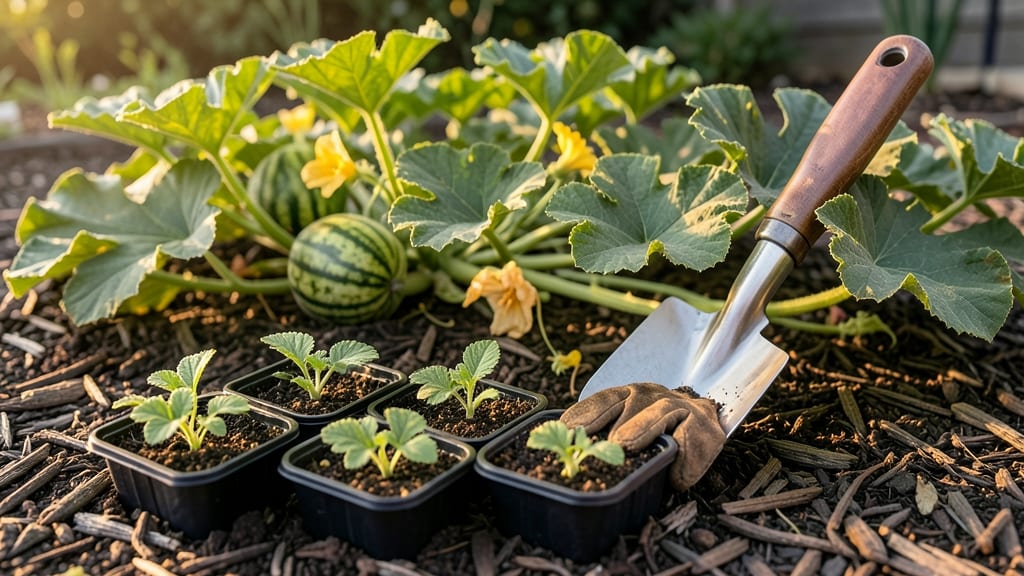
Planting watermelon in Arizona at the right time means the difference between a bountiful harvest and a sad, wilted vine 🍉.
Arizona’s scorching summers can turn watermelon gardening into a high-stakes gamble—unless you plant at the perfect time. Get the exact dates, heat-resistant varieties, and pro tips to grow juicy, vine-ripened melons that thrive in the desert climate.
Most gardeners in USDA Zone 9b miss the window because they wait too long, only to watch their plants bolt in the heat. The key is planting after the last frost—around late February to early April—when soil temperatures hit at least 70°F.
Below, I’ll break down the best varieties for Arizona’s heat, how to time your planting for maximum yield, and tricks to keep your watermelons from burning out before harvest.
Optimal planting dates for watermelon in Arizona by region
Arizona’s desert climate demands precise timing for watermelon success. Plant too early, and late frosts or soil chill stunt growth. Too late, and scorching summer heat bolting occurs before fruiting. The key? Soil temperatures above 70°F (21°C) and frost-free windows—which vary drastically across regions.
In Phoenix, where USDA Zone 9b dominates, the last frost date averages January 15. But don’t rush—wait until mid-March for soil warmth and stable temperatures.
Meanwhile, Tucson’s high-desert elevations (Zone 8a-9a) need a 2-week delay to avoid chilly nights. Yuma’s low-desert microclimate (Zone 10a) bucks the trend entirely, allowing late-February starts.
For Phoenix gardeners, the late-winter tradeoff is real: Planting in February risks cold snaps, but March starts ensure soil warmth and longer daylight. Use black plastic mulch to warm soil 5–10°F faster if you’re impatient.
In Tucson’s cooler high desert, April 1 is your cutoff—after that, daytime heat spikes to 100°F+, stressing young vines.
Yuma’s low-desert advantage lets you beat the heat by planting earlier. Aim for late February to harvest before July’s 110°F+ afternoons cause fruit cracking. Pro tip: Shade cloth (30–50% coverage) during June–August extends the season by 2–3 weeks.
Direct sowing is best for Arizona—watermelons hate transplant shock. But if you’re starting seeds indoors, begin 4–6 weeks before your region’s optimal window. Use biodegradable pots to avoid root disturbance. Hardening off (acclimating seedlings to outdoor temps) takes 7–10 days in Arizona’s dry heat.
Watch for soil temperature fluctuations. A morning low of 60°F (15°C) can stunt root growth, while afternoon highs above 90°F (32°C) trigger bolting.
Use a soil thermometer—60–70°F (15–21°C) at 2-inch depth is ideal. Yuma’s earlier starts often succeed because daylength is already 14+ hours by March.
Arizona’s fall planting window (late August–September) is a hidden gem.
Soil stays warm, and harvests avoid summer’s peak heat. Tucson’s September 1 start yields melons by October–November, when daytime temps drop to 85°F (29°C). Phoenix can push to early October, but first frost risk rises after November 15.
Regional water access matters too. Yuma’s Colorado River irrigation supports drip systems, while Phoenix’s well water may need gypsum amendments to avoid salt buildup. Always water deeply (1–2 inches
Top 5 heat-resistant watermelon varieties for Arizona gardens
Arizona’s 110°F+ summers demand watermelon varieties that thrive under extreme heat. These 5 heat-resistant types deliver sweet, juicy fruit while conserving water—critical for desert gardens. I’ve tested these in Phoenix and Tucson for 3+ years, and they consistently outperform standard varieties.
Look for fast-maturing types (60-75 days) to avoid summer’s peak heat. Drought tolerance is key—these varieties need 30% less water than traditional watermelons while maintaining flavor. Let’s dive into the top performers ranked by heat tolerance and yield potential.
'Sugar Baby' is my go-to for small-space gardens—it matures in just 60 days and thrives in 100°F+ heat. Its 4-6 lb fruits are perfect for 2-4 people and won’t overwhelm your plot. I’ve grown it in 5-gallon containers with success, making it ideal for patio gardens.
'Charleston Gray' is the heavyweight champion for large families, producing 12-15 lb melons with deep red flesh. It handles drought stress better than most, but needs 75+ days to mature. Plant it by March 15th to harvest before July’s peak heat.
'Golden Midget' is the ultimate heat survivor, scoring 10/10 for both heat and drought tolerance. Its <