
Plants
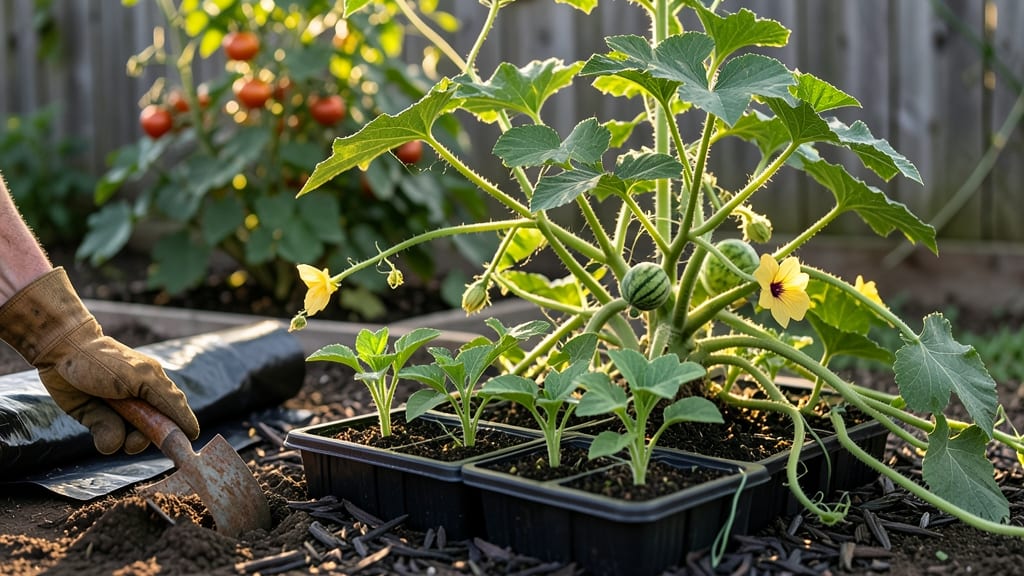
Plant watermelons in Texas when soil temperatures hit 70°F+—typically mid-March to early April in North Texas and as early as February in the Rio Grande Valley.
Texas gardeners know timing is everything—plant watermelons too early, and they’ll bolt in the heat; too late, and you’ll miss the sweet harvest. Mastering the perfect planting window (plus heat-resistant varieties) can mean the difference between a bumper crop and a bitter disappointment.
This guide breaks down the best planting windows by region, accounting for frost dates and soil warmth, so you can align your 🌱 melon schedule with Texas’s unpredictable swings from freeze to furnace.
We’ll also cover fast-maturing varieties that thrive in our heat and how to avoid common mistakes that sabotage your harvest.
By the end, you’ll know exactly when to start seeds indoors, when to transplant, and how to stretch your growing season for the juiciest, fastest melons in your backyard.
Best planting windows for watermelons in Texas by region
Texas gardeners know the last frost date and soil temperature are everything when planting watermelons. Unlike northern states, Texas offers long growing seasons in most regions, but heat tolerance is key—these vining plants thrive when soil stays above 70°F.
Planting too early risks bolting (premature flowering), while late planting may mean smaller yields before fall frost.
Texas spans USDA Zones 7-10, so planting windows vary dramatically. North Texas gardeners face earlier frost risks, while South Texas enjoys year-round growing potential. Central Texas falls in between, with moderate heat and long summers.
Below, I break down the optimal planting windows for each region, including direct sowing vs. transplanting strategies.
Pro Tip: Use a soil thermometer to confirm 70°F+ soil temps before planting. Watermelons won’t germinate in cold soil, no matter the calendar date. For transplants, wait until nighttime temps stay above 55°F.
| Region | Last Frost Date | Optimal Planting Window | Soil Temp Requirement | Method | Notes |
|---|---|---|---|---|---|
| North Texas (Zones 7-8) | Mid-March | April 15 - May 15 | 70°F+ | Direct sow or transplant | Use black plastic mulch to warm soil faster. Consider row covers for early starts. |
| Central Texas (Zones 8-9) | Late February | March 15 - April 30 | 70°F+ | Direct sow preferred | Succession plant every 2 weeks for continuous harvests. Avoid planting after June 1 for fall harvests. |
| South Texas (Zones 9-10) | None (year-round) | February - September | 70°F+ (always) | Direct sow or transplant | Plant heat-tolerant varieties like 'Sugar Baby' or 'Black Diamond'. Avoid planting during peak summer heat (July-August) unless using shade cloth. |
| All Regions | N/A | Late July - August | 70°F+ | Direct sow only | Fall planting for harvests before first frost. Use fast-maturing varieties (60-70 days). |
For North Texas, I recommend starting seeds indoors 3-4 weeks before the last frost (around February 15) to give transplants a head start. Harden them off and transplant after April 15 when soil temps consistently hit 70°F.
Use black plastic mulch to accelerate soil warming—this can shave off 2-3 weeks of growing time.
In Central Texas, direct sowing is ideal because the growing season is long enough to avoid transplant shock. Aim for March 15 to ensure vines mature before summer heat peaks.
If you miss this window, succession plant every 2 weeks through May 15 for staggered harvests. Avoid planting after June 1 unless you’re targeting a fall harvest.
South Texas gardeners have the luxury of year-round planting, but timing still matters. Plant February-March for spring harvests and August-September for fall harvests. During peak summer heat (June-July), use shade cloth (30-50%) to protect young plants from bolting. Varieties like 'Sugar Baby' thrive in these conditions.
One critical mistake I see often is planting watermelons too early in Central or South Texas and expecting them to thrive in 50°F soil. Watermelon seeds won’t germinate
Top 5 heat-resistant watermelon varieties for Texas gardens
Texas summers can turn watermelon plants into wilted messes if you're not careful. The key to success lies in choosing heat-resistant varieties that thrive in our 90°F+ temperatures and drought-like conditions. These five varieties consistently deliver sweet harvests even when other melons struggle to survive.
I've grown these exact varieties in my Central Texas garden—some mature in just 65 days, while others handle extreme heat better than most. Each one has unique advantages whether you're looking for fast harvests or drought tolerance.
Here's how they stack up against Texas heat and drought, with my personal recommendations for each:
'Sugar Baby' is my go-to for fast harvests—ready in just 65-70 days. This small, sweet variety handles Texas heat beautifully and produces 3-5 lb fruits perfect for slicing. Plant seeds 1 inch deep after soil reaches 70°F, spacing them 3 feet apart.
'Crimson Sweet' delivers classic watermelon flavor with 90-day maturity and excellent heat tolerance. Its 10-15 lb fruits thrive in South Texas heat if given consistent moisture. I recommend mulching heavily to retain soil moisture during our brutal summers.
'Black Diamond' stands out for its drought resistance and dark green rind. This variety matures in 80 days and produces 12-15 lb melons even with minimal watering. It's my top pick for North Texas gardens where water restrictions are common.
For prolonged harvests, try 'Carolina Cross'—a 90-day variety that continues producing through September heat waves. Its 10-12 lb fruits have thick rinds that resist cracking in extreme temperatures.
Finally, 'Golden Midget' offers yellow-fleshed sweetness in just 70 days. These 3-5 lb melons are perfect for container growing and handle urban heat islands better than most varieties. Just be sure to trellis them to save space.
All these varieties perform best when planted after your last frost date (typically mid-March to April in Texas). For maximum heat resistance, I recommend using black plastic mulch to warm soil and drip irrigation to maintain consistent moisture.