
Plants
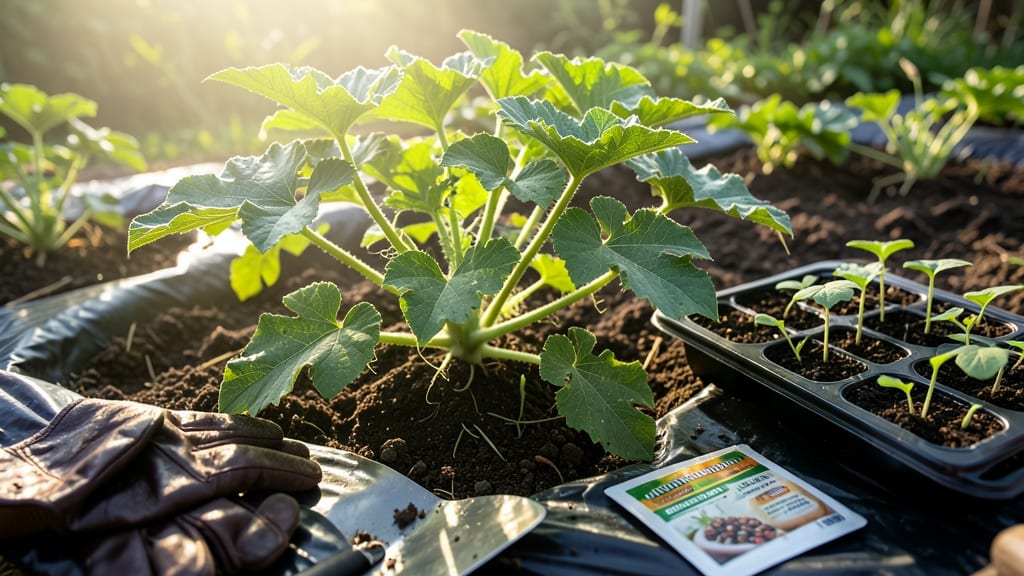
Planting watermelons in Central Texas means timing it just right—after the last frost but before the summer heat peaks, ideally between mid-March and late April when soil warms to 70°F+.
Central Texas gardeners know timing is everything—plant too early, and you’ll lose it to spring frosts; too late, and the scorching summer heat will stunt growth. But with the right schedule, you can grow juicy, vine-ripened 🍉 watermelons that thrive in the Lone Star State’s brutal summers.
This isn’t just about dates, though. The 8a climate zone demands heat-tolerant varieties and smart prep—soil that drains fast, mulch to lock in moisture, and shade for young plants until they toughen up. Skip these steps, and you’ll end up with bitter fruit or no fruit at all.
Here’s the exact breakdown: when to start seeds indoors, how to transplant without shock, and which varieties handle 100°F+ heat like champs. By the end, you’ll know not just when to plant, but how to set your watermelons up for a record harvest.
Best planting dates for watermelon in Central Texas by variety type
Central Texas gardeners know timing is critical for watermelon success. The last frost date varies slightly across cities—Austin (March 15), San Antonio (March 1), and Waco (March 10)—but soil temperature is the real game-changer.
Watermelons need consistent 70°F+ soil to germinate, which typically happens by mid-April in most areas. Planting too early risks frost damage, while late starts may struggle with 100°F+ summer heat.
For slicing varieties like 'Crimson Sweet,' aim for early April plantings. Seedless varieties such as 'Sugar Baby' thrive with late March starts under row covers. Heirloom types like 'Moon and Stars' need extended growing seasons, so start them 3-4 weeks earlier in raised beds with black plastic mulch to warm the soil faster.
Here’s how microclimates affect your schedule: San Antonio’s hotter, drier climate allows slightly earlier plantings, while Austin’s higher humidity may require delaying until late April to avoid fungal issues. Waco’s windier conditions benefit from windbreaks or trellises for vines.
🌱
For direct sowing, drop seeds ½-inch deep in hills spaced 3-4 feet apart.
If starting indoors, transplant 2-3 weeks before your target outdoor date to avoid transplant shock. San Antonio gardeners can push it to early March with cloches or cold frames, while Waco’s wind may require windbreaks like cornstalks or burlap.
Adjust for unpredictable Texas weather: If soil stays below 70°F past mid-May, opt for fast-maturing varieties like 'Black Diamond' (65 days). Late plantings after June 1 risk poor pollination from heat-stressed bees—hand-pollinate with a small brush if needed.
Pro tip: Use a soil thermometer to confirm 70°F+ soil. In Austin’s clay soil, amend beds with compost and sand to improve drainage. San Antonio’s alkaline soil benefits from gypsum to prevent blossom-end rot.
💧
Remember: Watermelons hate cold feet. Even if air temperatures rise, cool nights can stall growth. Use black plastic mulch to warm soil 5-10°F faster than bare earth. For container growing, choose 5-gallon pots and plant 2 weeks later than ground plantings—containers cool faster.
🌡️
How to time your watermelon planting for maximum yield in Central Texas heat
Timing your watermelon planting in Central Texas isn’t just about avoiding frost—it’s about beating the 100°F+ heat that can scorch young plants. The key is planting when soil temperatures hit 70°F+ and air temps consistently stay above 60°F at night.
For most of Central Texas, this means mid-April to early May for direct sowing, but earlier starts with transplants can work if you’re prepared.
Central Texas’ unpredictable summer storms and drought-like conditions demand extra care. If you miss the ideal window, don’t panic—late starts can still succeed with the right techniques. The goal is to get your plants established before the peak summer heat arrives, typically by mid-June.
Let’s break down the exact steps to maximize your yield, even in the brutal Texas summers.
📅 Step-by-Step Planting Timeline for Central Texas
- 1 Start seeds indoors (4-6 weeks before last frost, mid-February) in biodegradable pots with well-draining soil. Use a heat mat to maintain 75-85°F soil temps for faster germination.
- 2 Hardening off seedlings (1 week before transplanting) by placing them outside in partial shade during the day and bringing them in at night. Gradually increase sun exposure over 5-7 days.
- 3 Transplant outdoors when soil temps reach 70°F+ (use a soil thermometer) and night temps stay above 60°Fmid-April to early May in most areas.
- 4 Mulch heavily with 3-4 inches of straw or black plastic mulch to retain moisture and block weeds. In San Antonio’s heat, mulch can reduce soil temps by 10-15°F, protecting roots.
- 5 Plant companion crops like okra or corn nearby to act as windbreaks and attract pollinators. Avoid planting near potatoes or squash, which compete for nutrients.
- 6 Water deeply at the base of plants in the early morning (before 10 AM) to prevent fungal diseases. Use drip irrigation to avoid wetting leaves, which can lead to powdery mildew in humid Texas summers.
- 7 Harvest by late August to avoid overripe melons splitting in the heat. Look for a creamy yellow spot on the stem end and a hollow thump when tapped.
If you’re planting late starts (after May), focus on heat-tolerant varieties like ‘Sugar Baby’ or ‘Crimson Sweet’ and use shade cloth for the first 2 weeks to ease seedlings into the heat.
Avoid planting after mid-June, as melons need 75-90 days to mature, and Central Texas summers are too short for late-season harvests.
Central Texas’ unpredictable summer storms can wreak havoc on watermelon vines, but companion planting and proper mulching create a protective barrier. For example, corn stalks can shield vines from wind damage during thunderstorms, while okra deters pests like cucumber beetles.
Always choose disease-resistant varieties to minimize losses from fungal issues common in humid summers.
Pro tip: Use a soil thermometer to monitor temperatures—below 60°F stunts growth, while above 90°F can cause blossom drop. If your soil heats up too quickly, water deeply in the evening to cool it down naturally.
With these strategies, you’ll extend your growing season and enjoy homegrown watermelons straight from your Central Texas garden.