
Plants
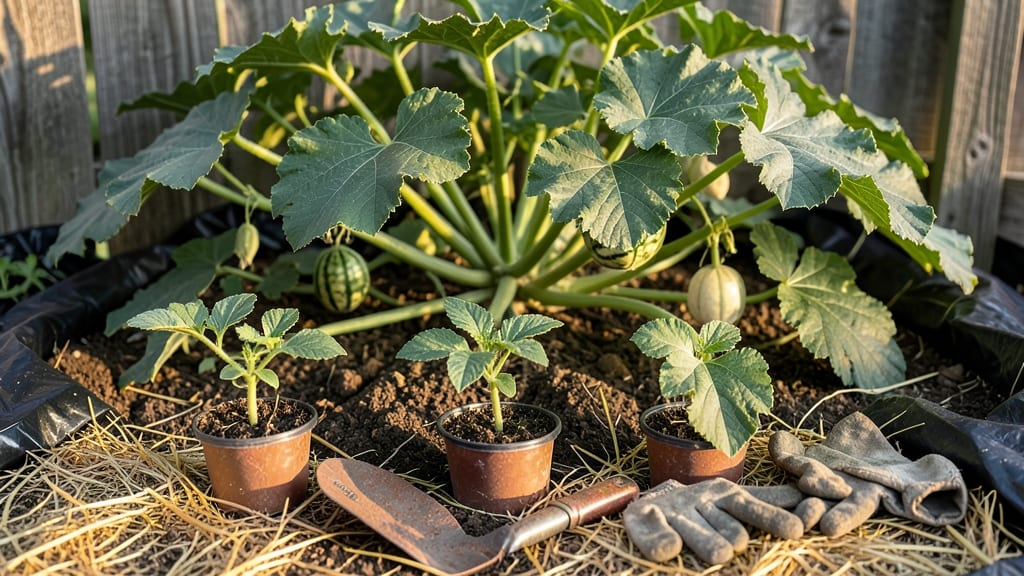
Planting watermelon in Colorado after the last frost — typically late May to early June — is your best bet for a sweet harvest before fall cools down.
Colorado’s unpredictable climate can make or break your watermelon harvest—but timing is everything. Plant too early, and frost will strike; too late, and your vines won’t mature before summer’s end.
Most Colorado gardeners in zones 5-8 (especially Denver’s 5b-6a) should wait until soil temperatures hit 70°F and all frost risk has passed. This usually aligns with late May, but microclimates like the Western Slope can start earlier.
Below, I’ll break down the exact frost-free dates by region, how to adjust for high-altitude areas, and the fastest-maturing varieties that thrive in Colorado’s short growing season.
Colorado’s frost-free dates and optimal watermelon planting timeline
Colorado’s diverse climate—from high-altitude valleys to desert-like Western Slope regions—means frost-free dates can vary by hundreds of miles. For watermelons, which need 90-120 days of warm weather, timing is critical. Plant too early in USDA zones 4-5 (like Denver), and a late frost will kill tender seedlings.
Plant too late in zone 7-8 (like Grand Junction), and your vines won’t mature before fall’s chill sets in.
Most Colorado gardeners aim to plant watermelon seeds 2-3 weeks after the average last frost date, but soil temperature matters more than air temperature. Watermelons thrive when soil reaches 70°F (21°C)—a threshold often met in late May to early June across the state.
Use a soil thermometer to confirm readiness, especially in cooler microclimates like Boulder or Fort Collins.
The Old Farmer’s Almanac frost calculator is your best tool for precise local planning. For example, Denver’s last frost typically falls around May 15, while Grand Junction’s is closer to April 15.
Adjust your planting window based on your USDA zone and elevation—high-altitude gardens (like those in Colorado Springs) may need to wait until June 1 or later.
Here’s a quick reference for Colorado’s key regions and their ideal watermelon planting windows:
| Region | USDA Zone | Avg. Last Frost | Optimal Planting Window | Harvest Window |
|---|---|---|---|---|
| Front Range (Denver, Boulder, Fort Collins) | 5b-6a | May 15 | May 30 – June 15 | July 20 – September 10 |
| Western Slope (Grand Junction, Durango) | 7a-8a | April 15 | April 30 – May 15 | June 15 – August 15 |
| Eastern Plains (Pueblo, Colorado Springs) | 6a-7a | May 1 | May 15 – June 1 | July 1 – August 20 |
| High Altitude (Aspen, Leadville) | 4a-5a | June 1 | June 15 – July 1 | August 1 – September 5 |
For gardeners in USDA zones 4-5, like those in Summit County or Eagle County, consider starting seeds indoors 3-4 weeks before your target outdoor planting date. Use biodegradable pots to avoid transplant shock when moving seedlings outdoors.
Harden them off by placing them outside for 2-3 hours daily starting 1 week before transplanting.
If you’re in a warmer microclimate, such as a south-facing slope or urban heat island (like downtown Denver), you can plant early varieties as soon as April 15.
Use black plastic mulch to warm the soil faster and protect against late frosts. This technique can shave 10-14 days off your growing season, giving you an earlier harvest.
Watermelons need consistent warmth to thrive, so avoid planting in cool valleys or shaded areas. Even in zone 7-8, a late spring frost can still occur, so always have a row cover on hand.
In my own garden in Denver (zone 5b), I’ve found that planting ‘Sugar Baby’ watermelons around June 1 ensures they mature before the first frost in mid-October.
Pro tip: Track your local growing degree days (GDD) using tools like the Growing Degree Days Calculator. Watermelons need 1,200-1,500 GDDs to reach maturity. If your area falls short, opt for sh
How to adjust planting dates for Colorado’s microclimates and soil conditions
Colorado’s diverse elevations create microclimates that can shift planting windows by weeks. For example, Denver’s USDA Zone 5b often waits until late May for watermelons, while Grand Junction’s Zone 7b can start as early as mid-April.
The key is matching your location’s soil warmth and frost-free dates to watermelon’s 70°F minimum soil temp requirement.
High-altitude areas like Boulder or Fort Collins face cooler soils longer, while lower desert regions (e.g., Pueblo or Colorado Springs) warm up faster. Even within cities, urban heat islands can create 5-10°F warmer microclimates near pavement or rooftops—perfect for early planting.
Always test soil temperature with a soil thermometer before planting.
⚠️ callout-warning ⚠️
❄️ Critical Mistake: Planting Watermelons Too Soon in Cool Valleys
Even if your neighbor in a sunny microclimate plants early, cool valleys (e.g., North Park or Middle Park) risk frost damage when night temps drop below 50°F. Watermelon seedlings need consistent warmth—if they’re shocked by frost, they’ll wilt and die within days.
🔹 Solution: Use black plastic mulch or row covers to warm soil by 10-15°F, or wait until after Memorial Day in high-altitude areas.
To extend Colorado’s short growing season, use soil warming techniques like black plastic mulch, which can raise soil temps by 10-15°F and speed up germination.
For early starts, plant seeds in biodegradable pots and set them on black plastic 2 weeks before the last frost. Cold frames or low tunnels also work well for high-altitude gardens, protecting seedlings until soil warms.
Row covers made of floating fabric let sunlight through while trapping heat—ideal for late spring when nights are still chilly. Remove covers during the day once temps exceed 75°F to prevent overheating.
For extended harvests, use hoop houses or small greenhouses to protect vines from early fall frosts, especially in Zone 5-6 areas.
Common mistakes include overestimating soil warmth in shaded areas or underestimating frost risk in valleys. Always check local frost-free date averages (e.g., Denver: May 15, Grand Junction: April 1) and adjust by 1-2 weeks for safety.
For reliable harvests, plant fast-maturing varieties (e.g., ‘Sugar Baby’) and use soil warming methods to maximize your 90-120 day growing window.
Pro tip: In dry climates like the Western Slope, drip irrigation keeps soil moist without overheating roots. Pair this with organic mulch to retain moisture and regulate soil temperature—critical for watermelon success in Colorado’s variable conditions. 🌱