
Plants
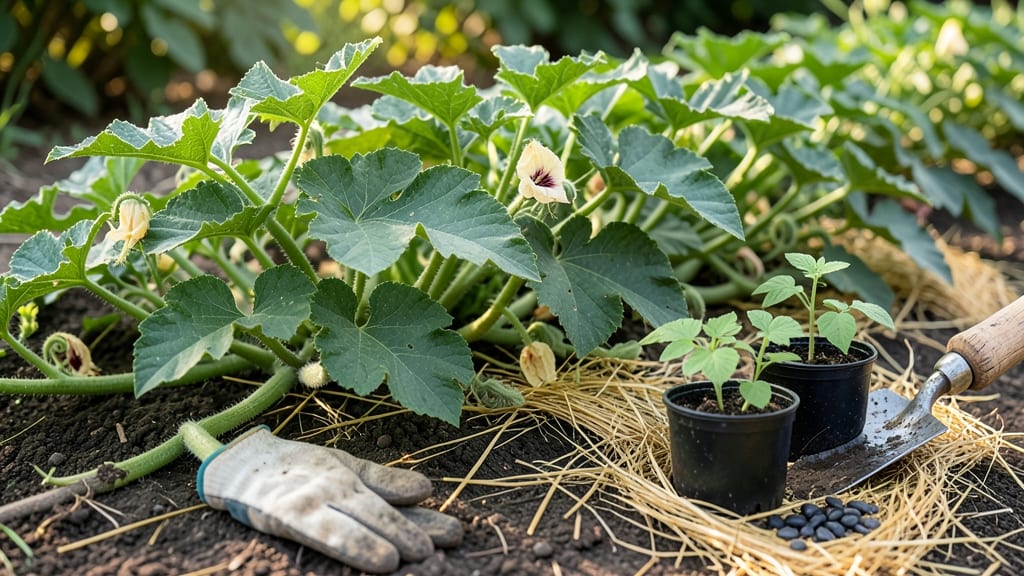
Planting watermelon in East Texas at the right time means the difference between a bountiful harvest and a sad, wilted vine 🍉 — and the key is waiting for soil temps to hit 70°F after your last frost.
East Texas gardeners know timing is everything—plant watermelon too early, and frost will wipe out your crop; too late, and scorching summer heat arrives before harvest. Mastering the frost-free schedule and soil temperature for East Texas is your ticket to juicy, vine-ripened success.
With USDA Zone 8a conditions and humidity levels that can push vines to sprawl faster than you can say "sugar baby," the window for planting is tight: mid-April to early May is prime, but soil warmth is the real game-changer.
Below, I break down the exact dates to plant, how to test your soil, and which watermelon varieties hold up best in East Texas heat—plus a few tricks to stretch your growing season if Mother Nature throws a late freeze your way.
Optimal planting dates for East Texas watermelons based on soil temperature
Watermelons in East Texas thrive when planted after the last frost date and when soil temperatures consistently reach 65°F or higher. Unlike cooler climates, East Texas's USDA Zones 7b-8a allow for earlier planting than most regions, but timing varies between cities like Tyler (warmer) and Beaumont (hotter/humid).
The key is balancing soil warmth with heat tolerance—plant too early, and frost zaps seedlings; too late, and summer's intensity stunts growth.
Soil temperature is your best indicator for planting success. Watermelons germinate poorly below 65°F, with ideal conditions at 70-90°F. In East Texas, this typically aligns with mid-April to early May for most areas, but Beaumont's heat may push planting to late March in some microclimates.
Use a soil thermometer to confirm readiness—plant only when temps stabilize for 5+ days.
Avoid the common mistake of planting based on air temperature alone. Soil warms slower than air, especially in clay-heavy East Texas soils. Dark plastic mulch can raise soil temps by 5-10°F, creating a microclimate for earlier planting in cooler pockets like Longview.
For direct sowing, aim for 70°F+ soil; transplants tolerate slightly cooler 65°F soils but grow slower.
Here’s how East Texas cities compare for watermelon planting windows:
| City | Soil Temp Threshold | Optimal Planting Window | Notes |
|---|---|---|---|
| Tyler | 70°F+ | Mid-April to late April | Cooler nights; use black plastic mulch |
| Beaumont | 68°F+ | Late March to early April | Humidity speeds germination; watch for fungal issues |
| Lufkin | 72°F+ | Early April to mid-April | Elevated terrain; plant on south-facing slopes |
| Longview | 65°F+ | Late March to early April | Frost risk until April 15; use row covers |
| Houston (East Side) | 70°F+ | Early April | Urban heat island effect; plant near reflective surfaces |
For direct sowing, seed watermelons ½ inch deep in hills spaced 3-4 feet apart. East Texas’s long growing season (210+ frost-free days) lets you plant two crops: a main crop in April and a late-summer succession crop in June for fall harvests.
However, June plantings must use heat-tolerant varieties like 'Crimson Sweet' to avoid blossom drop from extreme heat.
Transplanting is less common for watermelons due to root sensitivity, but if you start seeds indoors, harden off seedlings for 7-10 days before transplanting after May 1. Acclimate plants gradually to East Texas’s intense sun by moving them to partial shade for 2-3 hours daily before full exposure.
Avoid transplanting when afternoon temps exceed 90°F, as shock reduces yields by up to 30%.
Test soil warmth daily for 3 days before planting. Bury a soil thermometer 2 inches deep in morning sunlight—this mimics seed depth. If temps dip below 65°F at night, delay planting or use row covers to retain heat.
In Beaumont’s humidity, cover seeds with vermiculite to prevent mold. For Tyler’s cooler pockets, opt for fast-maturing varieties like 'Sugar Baby' (60 days) to beat summer’s arrival.
Once planted, watermelons need consistent
East Texas frost-free deadlines: how to avoid late-spring freezes
East Texas gardeners face a tricky balance when planting watermelons—late frosts can still strike after March 15, while waiting too long risks summer heat stress before harvest. The USDA Zone 7b-8a region (including Longview and Marshall) has unpredictable spring weather, making frost protection a must for early plantings.
According to Texas A&M AgriLife Extension, the average last frost date for most of East Texas falls between March 15 and April 1, but hard freezes (28°F or lower) can occur as late as April 15 in high-risk zones.
This means your watermelon seedlings need extra protection if you start planting in late March.
⚠️ callout-warning ⚠️
❄️ Last frost dates vary: March 15 (southern areas) to April 15 (northern zones like Tyler).
🌡️ Soil must stay above 65°F—test with a soil thermometer before planting.
🛡️ Protect seedlings: Use row covers or cold frames if planting before April 1.
To extend your growing season safely, I recommend using floating row covers (like Reemay fabric) for 3-4 weeks after transplanting. These lightweight covers raise soil temperatures by 3-5°F and shield tender seedlings from light frosts (28-32°F).
For areas like Marshall, where late frosts are more common, consider a mini greenhouse or cold frame for early starts.
Another critical strategy is planting after April 15 in high-risk areas. While this delays your harvest slightly, it ensures your watermelon vines establish before the consistent summer heat of June and July.
For a two-phase approach, I plant fast-maturing varieties (like 'Sugar Baby') in early April under protection, then follow with 'Crimson Sweet' in late April for a staggered harvest.
For soil temperature monitoring, invest in a digital soil thermometer ($15-$20) to check depths of 2-4 inches. Watermelons won’t germinate below 65°F, and ideal sprouting occurs at 70-75°F.
In East Texas, this typically aligns with mid-April to early May, but southern areas (like Beaumont) can start 2 weeks earlier.
Pro tip: If you’re in Zone 7b (e.g., Tyler), wait until April 15 to plant outdoors—this gives you a 90% buffer against late frosts. Pair this with black plastic mulch to warm the soil faster and reduce weed competition.
With these strategies, you’ll avoid the heartbreak of frost-killed seedlings while maximizing your summer harvest window.