
Plants
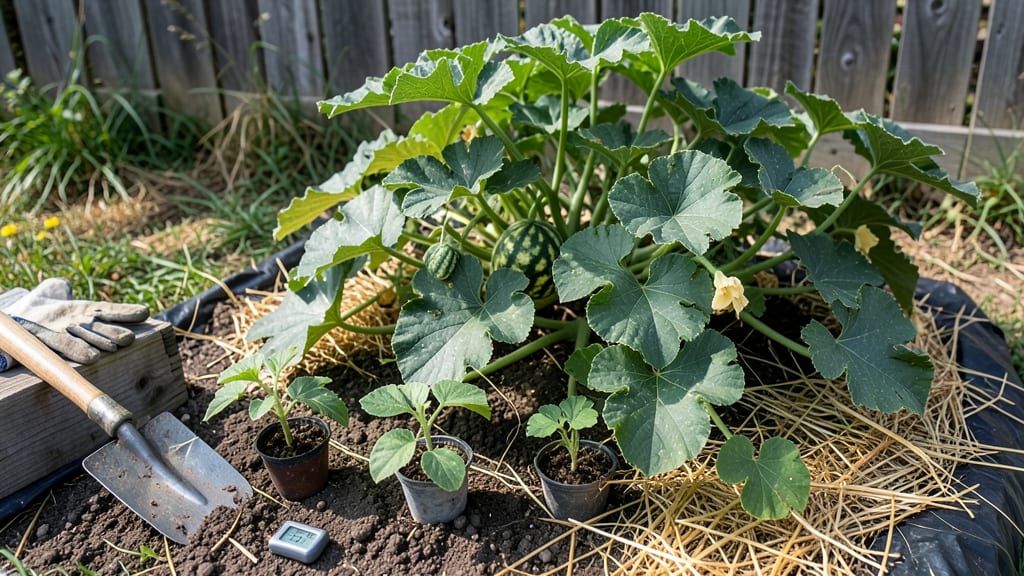
Plant watermelon in Georgia between mid-April and early May, when soil temperatures hit 70°F and frost risk fades — timing this right means the difference between a bountiful harvest and wasted effort.
Georgia’s warm climate makes it a prime spot for growing juicy, homegrown watermelons 🍉, but getting the timing wrong can leave you with nothing but empty vines. Too early, and a late frost will wipe out your seedlings. Too late, and your melons won’t mature before summer’s heat peaks.
This guide breaks down the exact frost-free windows by region, soil temperature rules, and pro tips to stretch your growing season. Whether you’re in the Piedmont or the coastal plains, you’ll learn how to align your planting with Georgia’s 7b-8a zone for the best results.
From staggered planting to heat management, you’ll discover how to maximize your harvest — and avoid the common mistakes that leave Georgia gardeners scratching their heads every summer.
Georgia watermelon planting timeline: frost-free dates & soil temperature rules
Georgia’s diverse climate—from coastal humidity to mountain chill—means your watermelon planting window varies dramatically by region. In the coastal plain (Zone 8a), you can start seeds as early as mid-March, while mountain regions (Zone 7b) should wait until mid-May.
The key? Soil temperatures must hit 70°F+ before planting, or your seeds will rot and seedlings will fail.
Use Georgia’s average last frost dates as your baseline: March 15 (coastal) to April 15 (Piedmont) and May 1 (mountains). However, these are just averages—frost can linger weeks later.
Always monitor local weather forecasts and use frost-free date calculators (like the Old Farmer’s Almanac) for your exact county. Transplanting cold-stressed seedlings is a surefire way to stunt growth.
Here’s your region-specific planting timeline, including soil temperature thresholds and frost risk windows to avoid transplant shock:
For direct-sown seeds, wait until the soil temperature consistently stays above 70°F during the day. Test it with a soil thermometer—if it’s cooler, your seeds won’t germinate.
In cooler regions like the northwest mountains, you might need to stagger plantings every 2 weeks to extend your harvest through early September.
If you’re transplanting seedlings, harden them off for 7-10 days before moving them outdoors. Georgia’s humid summers can cause transplant shock, so avoid moving seedlings on windy days or when temperatures exceed 90°F. Instead, plant on a cloudy morning or use shade cloth for the first week.
Pro tip: Black plastic mulch raises soil temperatures by 5-10°F, letting you plant 2-3 weeks earlier in cooler zones. Lay it down 1-2 weeks before planting to give the soil time to warm up.
Pair it with drip irrigation to keep moisture consistent—watermelons need 1-2 inches of water weekly once established.
Watch for late-season frost warnings in October, especially in the mountains.
If frost threatens before harvest, cover plants with frost blankets or harvest early and store melons in a cool, dry place (50-55°F) to extend their shelf life. Crimson Sweet and Sugar Baby varieties are more frost-tolerant than heirlooms like Charleston Gray.
Finally, track your local microclimate. Urban areas like Atlanta can be 5-10°F warmer than rural spots, while valleys hold cold air longer. Use a home weather station or check NOAA frost maps for real-time data.
With the right timing, you’ll go from seed to juicy, vine-ripened watermelon in just 75-90 days!
🌱☀️🍉
How to extend your watermelon season in Georgia: staggered planting & cold protection hacks
Georgia’s long growing season gives you a golden opportunity to grow watermelons twice a year—but most gardeners only plant once! By using staggered planting and season-extending tricks, you can enjoy fresh watermelons from June through October.
The key is balancing early starts with heat protection during peak summer months.
For spring plantings, start seeds indoors 4-6 weeks before your last frost date (typically mid-March in most of Georgia). Use row covers or cold frames to protect tender seedlings from late frosts. In northern Georgia, wait until soil temperatures hit 70°F+—usually by early May—to transplant outdoors.
Summer’s brutal heat can stress watermelon vines, causing flower drop and poor fruit set. My secret weapon? A 30% shade cloth draped over plants during the hottest afternoon hours (12 PM–4 PM).
Pair this with drip irrigation to keep soil consistently moist—watermelons need 1–2 inches of water weekly during fruit development.
For a fall harvest, sow seeds in late July using fast-maturing varieties like Crimson Sweet (70 days) or Charleston Gray (80 days). These varieties can handle Georgia’s shortening daylight while still producing sweet fruit. Just be sure to harvest before first frost (usually mid-November in most regions).
Pro tip: Use black plastic mulch to warm soil faster in spring and suppress weeds. In coastal Georgia, where humidity is higher, add 1 inch of compost to improve drainage and reduce fungal diseases like powdery mildew.
With these season-extending hacks, you’ll enjoy watermelons for 4+ months instead of just 6–8 weeks! Start with one method this year—like row covers for spring or shade cloth for summer—and expand next season for a continuous harvest. 🍉