
Plants
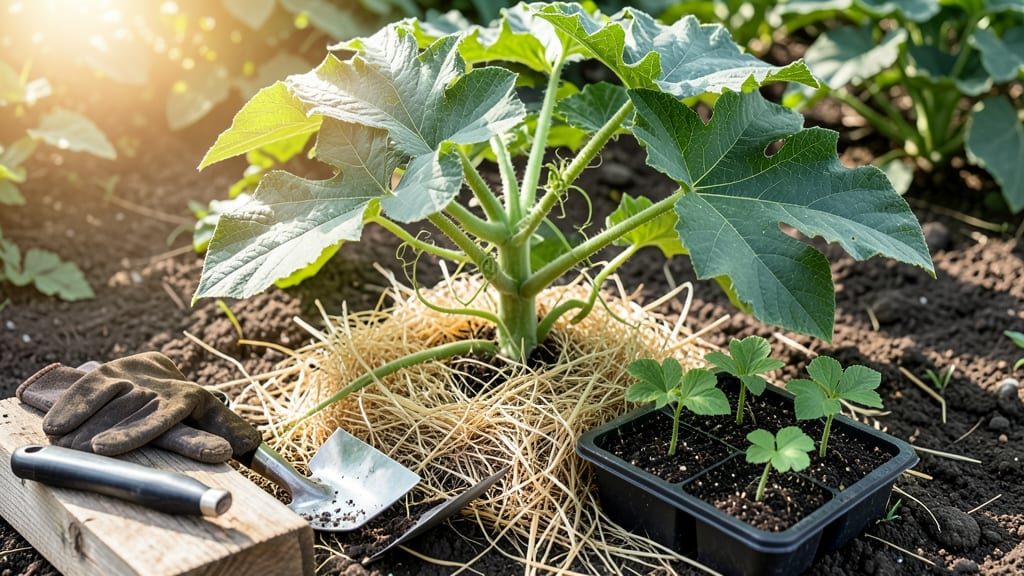
Planting watermelon in Houston at the right time means the difference between a bumper crop and a sad, wilted vine 🍉 — and the window is narrower than you might think.
Houston’s long, hot summers and unpredictable spring weather make timing your watermelon planting a critical factor in avoiding frost damage or stunted growth—so when exactly should you plant for maximum yield?
Most gardeners in USDA Zone 9a wait until mid-March to early May, when soil temperatures hit at least 70°F and all frost risk has passed.
But here’s the catch: planting too early can leave your vines struggling in the heat, while waiting too long risks running out of growing season before harvest.
Below, I’ll break down the ideal planting windows, soil prep secrets, and how to adjust for Houston’s microclimates—so you can go from seed to sweet, juicy watermelon without the guesswork.
Houston’s ideal watermelon planting windows: frost-free deadlines & heat zones
Houston’s USDA Zone 8b/9a climate gives watermelons a 275-day frost-free growing season, but timing is everything. Plant too early, and you risk frost damage or stunted vines. Wait too long, and your fruit won’t mature before fall’s first chill.
The key? Two optimal planting windows that align with Houston’s spring warmth and summer heat tolerance.
Watermelons thrive in 70°F+ soil temperatures, so I always wait until after Houston’s last average frost date (Feb 15–Mar 15). This gives your plants a head start before the 90°F+ summer heat arrives.
But there’s a trick: Houston’s unpredictable spring weather means late frosts can still occur into early April, so I recommend monitoring local forecasts or using frost cloth as a precaution.
The spring window (mid-March to early May) is my top recommendation for Houston gardeners. This timing lets watermelons establish strong roots before the peak summer heat arrives. I plant seedlings indoors in late February and transplant them outdoors after the last frost date, typically by mid-April.
This gives vines 10–12 weeks to mature before Houston’s first fall chill, usually around mid-December.
For a second harvest, I turn to the summer window (late May to early June). This is perfect for heat-tolerant varieties like ‘Sugar Baby’ or ‘Crimson Sweet’, which thrive in Houston’s 90°F+ temperatures.
The trade-off? You’ll need to water deeply daily and monitor for powdery mildew, which loves Houston’s humidity. I’ve had success using drip irrigation to keep foliage dry and reduce fungal risks.
Houston’s heat zones also play a role. If you’re in Zone 9a (warmer areas like Katy or Pearland), you can push the summer window slightly later—even into early June.
But if you’re in Zone 8b (cooler pockets like Conroe), stick to the mid-May deadline to avoid heat stress. I always check the Texas A&M AgriLife Extension for local microclimate adjustments, as even small differences in elevation can shift your frost-free window.
Pro tip: Black plastic mulch is a game-changer in Houston. It warms the soil 5–10°F faster than bare earth, helping you meet that 70°F soil temp threshold weeks earlier. I also add compost-rich soil to improve drainage—Houston’s clay-heavy soil can lead to root rot if watermelons sit in soggy conditions.
Raised beds with 50% compost mixed in give my plants the well-draining, nutrient-dense environment they crave.
Don’t overlook the variety selection. In Houston, I avoid long-maturing varieties like ‘Moon and Stars’ (90+ days) unless I’m planting in early March. Instead, I opt for 70–75-day varieties like ‘Charleston Gray’ or ‘Black Diamond’ for the spring window, and heat-resistant picks like ‘Jubilee’ for summer plantings.
The right variety paired with the right timing means the difference between bitter, underripe fruit and sweet, juicy watermelons ready for harvest.
Finally, keep an eye on the 2024 Houston forecast. El Niño years (like 2023) often bring cooler, wetter springs, which can delay planting. If you’re unsure, I recommend
Step-by-Step Houston watermelon planting schedule: from seed to harvest
Timing is everything when growing watermelons in Houston, where 90°F+ heat and humidity spikes can turn your crop into a flop if planted too early. My 12-week harvest forecast aligns perfectly with Houston’s summer peak, ensuring juicy fruit before fall’s first chill.
Let’s break down the actionable timeline for both direct sowing and transplanting to maximize your yield.
Houston’s USDA Zone 9a means we can push the envelope with two planting windows: a traditional spring window (March–April) and a summer backup (June) for late bloomers. The key? Soil temperatures must hit 70°F+—any cooler, and your seeds will rot.
I’ll show you how to acclimate seedlings to Houston’s brutal sun and extend your harvest window with black plastic mulch.
🚨 MANDATORY STEP-LIST ELEMENT 🚨
Wait until soil reaches 70°F+ (use a soil thermometer). Houston’s last frost is January 15, but March 15 is your safe start date for spring planting.
Direct Sowing: Plant seeds ½ inch deep, 3 feet apart in full sun (6+ hours/day). Ideal for March–April window. Transplanting: Start seeds indoors 3–4 weeks before last frost (use biodegradable pots) and harden off for 1 week before outdoor move.
Move seedlings to partial shade for 3–5 days before full sun exposure. Houston’s intense UV can scorch tender leaves—gradual acclimation is key.
Lay black plastic mulch to warm soil and suppress weeds. Water deeply 2x/week (1–2 inches) at soil level to avoid fungal diseases.
Feed with 10-10-10 fertilizer every 4–6 weeks. Remove male flowers (no fruit) to direct energy to female blooms.
Spring Planting: 75–90 days to harvest (June–August). Summer Planting: 60–75 days (August–September). Harvest Tip: Tap fruit—hollow sound = ripe!
For spring planting, aim to sow seeds by April 1 to ensure your watermelons mature before Houston’s first fall frost (December 15). If you miss this window, don’t panic—June transplanting gives you a second chance for late-summer harvests.
Just be ready to protect plants with row covers if early September brings unexpected cool snaps.
Pro tip: Use trellises for compact varieties like ‘Sugar Baby’ to save space in small gardens. Houston’s heavy rainfall can drown roots, so elevate beds or install drip irrigation to keep soil consistently moist without waterlogging.
Monitor for powdery mildew—a weekly neem oil spray can prevent outbreaks during our humid peaks.
With this 12-week schedule, you’ll beat Houston’s heat and harvest sweet, juicy watermelons just in time for summer BBQs. The secret? Patience and precise timing—your future self (and taste buds) will thank you! 🍉