
Plants
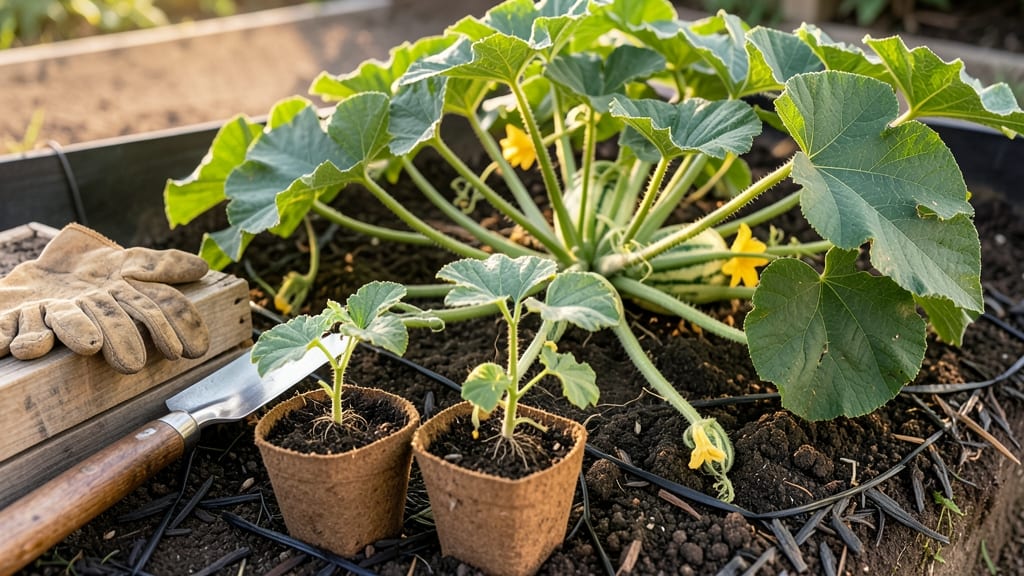
To plant watermelon in Indiana, aim for after the last frost date—typically between April 15 and May 15—when soil temperatures hit 70°F+ for fast germination.
Indiana’s spring weather can turn on a dime, leaving watermelon seedlings vulnerable to late frosts or stunted growth if planted too early. But get the timing right, and you’ll be slicing into sweet, vine-ripened 🍉 by mid-summer—no greenhouse or greenhouse tricks needed.
This guide breaks down Indiana’s USDA 5b-6b zones, soil temperature secrets, and how to adjust planting dates for northern vs. southern regions. Whether you’re in Lafayette or near the Ohio border, we’ll cover the exact triggers that turn your garden into a watermelon patch.
You’ll also learn which fast-growing varieties thrive in Indiana’s 120–140-day season and how to use mulch or row covers to shave weeks off the growing time. Ready to turn your backyard into a watermelon oasis?
Indiana’s frost-free date zones: exact planting windows for watermelon success
Indiana’s USDA zones 5b-6b create distinct planting windows for watermelons, where late spring frosts can wipe out tender seedlings in just minutes.
The state’s frost-free dates typically range from April 15 in southern Indiana to May 15 in northern regions, but these dates shift yearly based on microclimates and weather patterns.
For reliable watermelon success, I always wait until two weeks after the average last frost date for my zone. This buffer accounts for Indiana’s infamous late-season cold snaps, which can drop temperatures unexpectedly.
In Zone 5b (northern Indiana), this means holding off until May 5-15, while Zone 6b (southern Indiana) gardeners can start as early as April 20-30.
Here’s how I use local weather data to refine my planting schedule: I check the National Weather Service’s frost prediction maps and add 7-10 days of safety margin.
For example, if the forecast shows a 32°F night predicted for May 1, I delay planting until May 8—even if my soil is warm enough.
🌱
| USDA Zone | Avg. Last Frost Date | Recommended Planting Window | Soil Temp. Requirement | Risk Level |
|---|---|---|---|---|
| Zone 5b (Northern IN) | April 15-May 1 | May 5-15 (after buffer) | 70°F+ (21°C) | High (late frosts common) |
| Zone 6a (Central IN) | April 20-April 30 | April 25-May 5 | 70°F+ (21°C) | Moderate |
| Zone 6b (Southern IN) | April 10-April 20 | April 20-April 30 | 70°F+ (21°C) | Low (earlier warm-up) |
If you’re in a high-risk zone like northern Indiana, consider using row covers or cold frames to create a microclimate that warms soil faster. I’ve had success with black plastic mulch, which raises soil temperatures by 5-10°F in just days—critical for germinating watermelon seeds that need 70°F+ to sprout.
For gardeners facing unusually late springs, I recommend starting seeds indoors 4-6 weeks before your target planting date. Use biodegradable pots and transplant seedlings when they have 2-3 true leaves and nighttime temperatures stay above 55°F. This gives you a 2-week head start on the season.
In early springs, when soil warms quickly, I plant fast-maturing varieties like ‘Sugar Baby’ (70 days) to maximize harvest potential. These varieties can tolerate slightly cooler soils and still produce fruit before Indiana’s first fall frost around October 15.
For standard varieties, I aim to plant by May 10 to ensure harvests before September 1.
Pro tip: Monitor your local Indiana State Climate Office for growing degree day updates. These measurements predict when your plants will reach key growth stages—critical for watermelons that need 90-120 days to mature. Aim for 1,200-1,500 growing degree days from planting to harvest in Indiana’s climate.
🌿
Soil temperature secrets: when to plant for fast germination in Indiana’s climate
Indiana’s spring soil warms unevenly—northern counties like Gary often lag behind southern regions like Evansville by 2–3 weeks. Watermelon seeds need 70°F+ soil to germinate, but cool, damp conditions in USDA zones 5b-6a can stall your harvest.
Testing soil temperature and using heat-boosting tricks is your secret weapon for beating Indiana’s unpredictable climate.
Don’t guess—measure soil temperature with a simple soil thermometer (available for $10–$15). Insert it 2 inches deep in full sun, checking morning temperatures (soil cools at night).
In northern Indiana, wait until mid-to-late May for consistent 70°F+ readings, while southern Indiana can start as early as April 20–May 1.
- 1. Test soil temp daily at 2" depth using a thermometer. Aim for 70°F+ for 3+ days.
- 2. Adjust dates: Northern IN (zones 5b) → May 15–20; Southern IN (zones 6a) → April 25–May 5.
- 3. Use black plastic mulch 2 weeks before planting to warm soil by 10–15°F faster.
- 4. Start indoors in biodegradable pots 3–4 weeks before outdoor soil hits 60°F (transplant when soil is 70°F+).
- 5. Monitor forecasts: Use NOAA’s frost maps to track last-frost dates and adjust planting by 1–2 weeks if late frosts are predicted.
Black plastic mulch is my #1 soil-warming hack for Indiana gardens. Lay it down 2 weeks before planting to raise soil temperatures by 10–15°F and suppress weeds. For extra speed, combine it with row covers during the day to trap heat.
This combo can shave 2–3 weeks off your planting timeline, giving watermelons a head start in cooler microclimates like Lake County or Elkhart.
If your soil stays stubbornly cool, try container growing with 5-gallon black pots. Fill them with a mix of 50% compost and 50% coconut coir, which warms faster than native soil.
Place pots on concrete slabs or dark-colored gravel to absorb and radiate heat. This method works especially well for balcony gardens in Indianapolis or urban lots in Fort Wayne.
Pro tip: Seedling heat mats (available at garden centers) can jumpstart germination if you’re in a rush. Place them under seed trays or pots to maintain 75–85°F soil temps until sprouts emerge.
Pair this with a mini greenhouse tent to create a humidity dome—this combo has helped me get ‘Sugar Baby’ watermelons off to a flying start in zone 5b.
Remember: Watermelons thrive on consistent warmth, but sudden cold snaps can stall growth. Keep an eye on 7-day forecasts and have row covers ready to protect young plants if nighttime temps dip below 55°F.
With these soil temperature secrets, you’ll turn Indiana’s slow spring into a watermelon-growing powerhouse.