
Plants
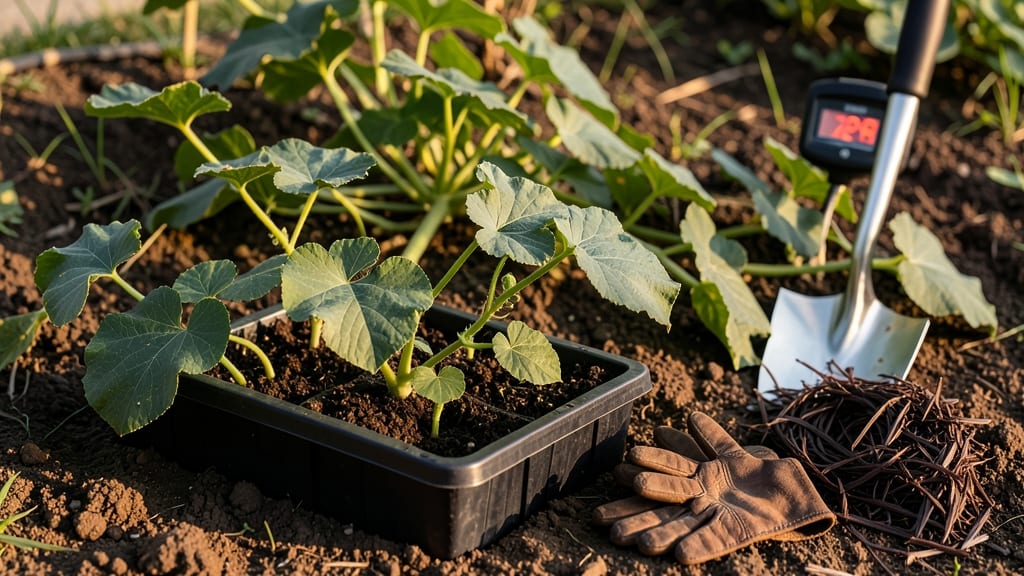
Planting watermelon in Kansas after the last frost date — typically mid-April — is the key to avoiding frost damage and ensuring a sweet harvest 🍉.
Kansas gardeners know timing is everything—plant too early, and frost will wreck your harvest. Too late, and the scorching summer heat might leave you with bitter fruit. The 30-day window between mid-April and early May is where most growers strike gold.
This summer crop thrives in Kansas’ USDA Zones 5b-7a, but soil temperature matters more than the calendar. Watermelons won’t germinate until the ground hits 70°F, which often means waiting until late April or even early May in cooler areas.
Below, I’ll break down the exact planting dates by region, soil prep tricks to speed up germination, and how to choose heat-tolerant varieties that actually ripen before Kansas’ first frost in October.
Kansas watermelon planting dates: frost-free zones & last spring frost risks
Kansas spans USDA Zones 5b-7a, meaning frost dates vary dramatically from north to south.
In Zone 5b (northern counties like Saline or Brown), the last spring frost typically hits around April 25, while Zone 7a (southern counties like Sedgwick or Harper) usually sees frost-free conditions by April 10.
Planting too early risks frost damage to tender watermelon seedlings, while waiting too long may shorten your harvest window.
Watermelons thrive in warm soil, so aim to plant after soil temperatures reach 70°F or higher. In Kansas, this often aligns with mid-to-late May for northern regions and early May for southern areas. Use a soil thermometer to confirm—cold soil delays germination and weakens seedlings.
Direct sowing is ideal for Kansas gardeners, but if you start transplants indoors, harden them off and plant out 2-3 weeks after your area’s last frost date. Transplants must be 3-4 weeks old with 2-3 true leaves to avoid transplant shock in Kansas’ unpredictable spring weather.
Here’s a breakdown of critical planting windows by region, including county-specific averages to help you avoid early-season disasters:
| Region (USDA Zone) | Last Frost Date (Avg.) | Direct Sow Window | Transplant Window | Soil Temp Goal |
|---|---|---|---|---|
| Northern KS (Zone 5b) e.g., Saline, Brown | April 25 | May 15–June 1 | May 1–May 15 | 70°F+ |
| Central KS (Zone 6a) e.g., Dickinson, Geary | April 15 | May 1–May 15 | April 20–May 1 | 70°F+ |
| Southern KS (Zone 7a) e.g., Sedgwick, Harper | April 10 | April 20–May 5 | April 1–April 15 | 70°F+ |
*Dates are averages—check your local National Weather Service for real-time updates.
For early starts, use black plastic mulch to warm soil faster and protect seedlings. Lay mulch 1-2 weeks before planting to raise soil temps by 5-10°F. This trick lets you plant 2-3 weeks earlier in northern Kansas without frost risk.
If you’re in Zone 5b and want to experiment, try row covers over seedlings until soil warms. Remove covers once true leaves appear to prevent overheating. Just be prepared to replace covers if late frosts hit—Kansas springs are notorious for unpredictable swings.
Pro tip: Monitor almanac records for your county. For example, Wichita (Sedgwick County) has seen last frosts as late as May 5 in some years, while Topeka (Shawnee County) can still drop below freezing into mid-April.
Adjust your planting date 2 weeks later if your area has a history of late frosts.
Watermelons need 90-120 days to mature, so aim to finish planting by June 15 in northern Kansas to avoid early fall frosts. Late plantings may yield smaller fruit or fail to ripen before first frost, which typically arrives in mid-October.
For a second harvest, try fast-maturing varieties like 'Sugar Baby' (70 days) or 'Crimson Sweet' (80 days). These can be planted as late as June 15 in southern Kansas and still produce fruit before frost. Just be ready to extend the season with row covers if needed.
🌱
Soil temperature secrets: how to time watermelon planting for fast germination
Watermelons are finicky about soil temperature, and Kansas’ unpredictable springs can turn a great harvest into a bust. If you plant too soon, cold soil will stall germination for weeks—sometimes forever.
But if you wait too long, your short growing season shrinks faster than a wilting zucchini. The sweet spot? Soil at 70°F or warmer—and here’s how to nail it every time.
Most Kansas gardeners rely on the last frost date (usually mid-April), but that’s just the beginning. Watermelon seeds won’t even think about sprouting until the soil hits 70°F. In Zone 5b-7a, that often means waiting until late April or early May—sometimes even June for late starts.
The key? Monitor soil temps daily with a soil thermometer (they’re cheap and lifesavers).
- 🌡️ 1. Check soil temp daily starting in April using a soil thermometer buried 2 inches deep. Aim for 70°F+ for germination.
- 📅 2. Adjust planting dates by region: Southeast KS (Zone 7a) can plant by mid-April; Northwest KS (Zone 5b) waits until late May.
- 🔥 3. Use black plastic mulch to warm soil 5-10°F faster—lay it down 2 weeks before planting to jumpstart germination.
- 🛡️ 4. Extend the season with row covers (remove when flowers appear to prevent heat stress).
- ⏰ 5. Plant late varieties (like 'Sugar Baby') in early June for a second harvest before frost.
Kansas’ microclimates make this trickier than it seems. A southeast Kansas garden in Zone 7a might hit 70°F by mid-April, while a northwest Kansas farm in Zone 5b could still be chilly in late May.
To hedge your bets, start seeds indoors 2-3 weeks before your target outdoor date—just be ready to harden off seedlings carefully when soil temps finally cooperate.
If you’re worried about late frosts (which happen more often than we’d like), row covers are your best friend. They can add 2-4°F of warmth and protect young plants until soil temps stabilize.
Just remember to remove covers during flowering—watermelons need pollinators (like bees) to do their job, and covers can block them.
Pro tip: Black plastic mulch isn’t just for warming soil—it also suppresses weeds and keeps moisture locked in. Lay it down 2 weeks before planting to give the soil an extra boost.
Pair it with drip irrigation to keep roots consistently moist without overwatering, and you’ll have faster germination and bigger fruit by harvest time.
Don’t let Kansas’ unpredictable springs derail your watermelon dreams. With a soil thermometer, a little patience, and the right tricks, you’ll be slicing into homegrown watermelons by July—just in time for summer picnics. 🍉