
Plants
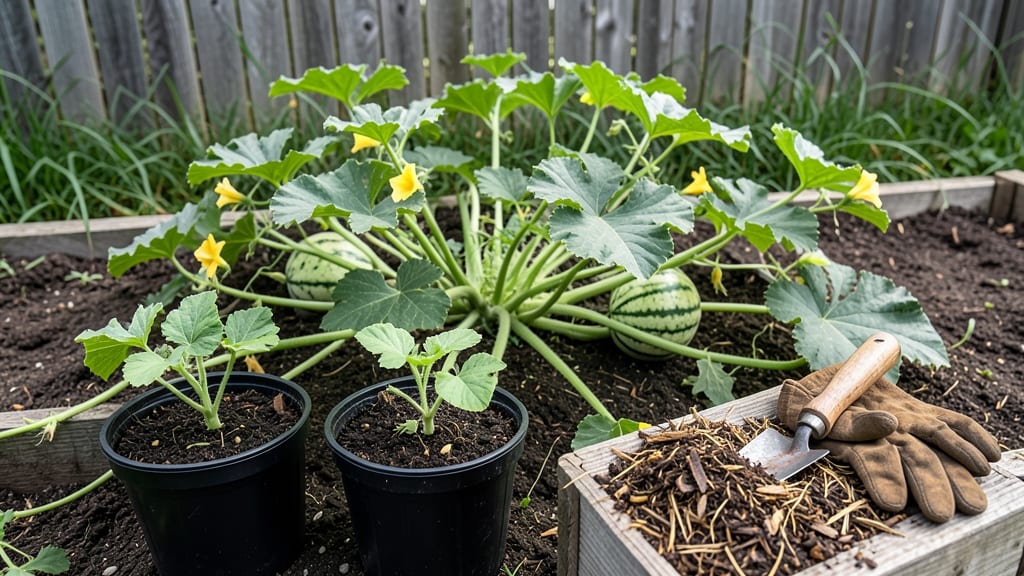
Planting watermelon in Kentucky after the last frost—typically mid-April to early May—sets the stage for a bountiful summer harvest 🍉.
But here’s the catch: Kentucky’s unpredictable spring weather can turn a perfect planting window into a gamble if you’re not careful. Too early, and a late frost will kill your seedlings. Too late, and the heat arrives before the fruit even sets.
This guide breaks down the exact timing for your region, soil temperature secrets to jumpstart growth, and how to adjust for Kentucky’s humid climate—so you avoid the most common mistakes and end up with sweet, homegrown melons.
You’ll learn when to start seeds indoors (if at all), how to prep your soil for maximum yields, and the best varieties for Kentucky’s short but intense growing season.
Kentucky’s last-frost dates & ideal watermelon planting windows by region
Kentucky’s USDA hardiness zones 5-7 create a perfect climate for watermelon cultivation, but timing is critical. The last-frost dates vary dramatically across the state, with northern regions like Lexington facing frost risks until mid-April, while southern areas like Bowling Green typically see their last frost by early April.
These differences mean your planting window could shift by 2-3 weeks depending on where you live.
Watermelons thrive in warm soil temperatures (70°F+) and need 90-120 frost-free days to mature. In Kentucky, this means starting seeds indoors 3-4 weeks before your last frost date or planting directly outdoors 2 weeks after frost risk has passed.
The key is balancing soil warmth with frost safety—plant too early, and cold snaps will kill seedlings; too late, and your harvest may suffer from heat stress.
Pro Tip: Use a soil thermometer to confirm temperatures before planting. Watermelon seeds won’t germinate below 60°F, but roots struggle in soil colder than 70°F. If your soil is still chilly, consider black plastic mulch to warm it faster.
| Region/City | USDA Zone | Avg. Last Frost Date | Direct Sow Window | Transplant Window | Harvest Window | Heat-Zone Adjustment |
|---|---|---|---|---|---|---|
| Northern KY (Lexington, Covington) | 6a-6b | April 15-20 | May 1-15 (after soil hits 70°F) | April 20-May 5 (harden off seedlings) | July 15-August 15 | +1 week if spring is late |
| Central KY (Louisville, Frankfort) | 6b-7a | April 1-10 | April 25-May 10 | April 10-April 25 | July 1-August 10 | Standard timing (no adjustment) |
| Southern KY (Bowling Green, Paducah) | 7a-7b | March 20-April 5 | April 10-April 25 | March 25-April 10 | June 20-July 30 | -1 week if early heat arrives |
Heat-Zone Tip: Southern Kentucky’s earlier frost-free dates mean faster growth—but watch for heat stress in July. Use shade cloth if temps exceed 95°F for 3+ days.
For gardeners in USDA Zone 5 (far northern Kentucky), consider starting seeds indoors in early March under grow lights. Transplant seedlings outdoors 2 weeks after your last frost date, using row covers for the first week to protect tender vines.
In Zone 7, you can even try two plantings: one in April for early harvests and another in early June for fall melons.
Soil temperature is more critical than air temperature for watermelons. Test your soil with a thermometer—if it’s below 70°F, delay planting or use black plastic mulch to warm the soil faster. In clay-heavy Kentucky soils, amend beds with compost or sand to improve drainage and prevent root rot.
If your spring is unusually cold, adjust your planting window by 1-2 weeks for every 5°F below average soil temperatures. Conversely, if early heat waves arrive (common in southern Kentucky), plant shade-tolerant varieties like 'Sugar Baby' or 'Crimson Sweet', which handle heat better than 'Charleston Gray'.
Remember: Watermelons need space—vines spread 6-10 feet, so plan your garden layout accordingly. Use trellises for compact varieties like 'Black Diamond' to save space in small gardens. And always harvest before frost—melons left on the vine won’t ripen further and may develop fungal diseases.
For a second harvest, try succession planting in early June (especially in southern Kentucky). Choose fast-maturing varieties (60-70 days) like 'Early Red Freedom' to enjoy melons through September before first frost arrives.
🍉
Heat-Zone adjustments: how Kentucky’s humidity & soil affect watermelon growth
Kentucky’s clay-heavy soil and high humidity create unique challenges for watermelon growth. The state’s USDA zones 5-7 mean northern regions like Paducah face cooler springs, while southern areas like Bowling Green experience earlier heat.
These differences demand tailored soil prep and moisture management to prevent root rot and powdery mildew.
I’ve found that raised beds work best in northern Kentucky, where poor drainage is common. In southern Kentucky, in-ground planting with amended soil often suffices. The key is balancing moisture retention with air circulation—especially critical during Kentucky’s 90+°F summer afternoons when watermelons wilt without proper care.
🌱 Raised Beds vs. In-Ground Planting for Kentucky Watermelons
Raised Beds
- Pros: Better drainage, warms faster, less soil compaction
- Cons: Dries out quicker, requires more watering
In-Ground
- Pros: Retains moisture longer, cooler soil temps
- Cons: Risk of waterlogging, slower warming
Northern KY Tip: Use 50% compost in raised beds to improve fertility.
Southern KY Tip: Add 1 inch of sand to in-ground soil for drainage.
For mulching strategies, I recommend straw or black plastic to retain moisture while suppressing weeds. In northern Kentucky, straw mulch works best—it breaks down slowly and improves soil structure over time.
Southern Kentucky gardeners should opt for black plastic mulch to raise soil temperatures quickly and reduce fungal spores. Apply mulch 2-3 inches thick once vines are 6 inches tall.
Fungal diseases like powdery mildew thrive in Kentucky’s humidity. To prevent outbreaks, space plants 3-4 feet apart for airflow and apply neem oil spray every 10-14 days during humid periods.
I’ve had success with copper fungicides in years with excessive rainfall, but organic options work just as well when used preventatively.
Northern Kentucky’s cooler nights (often dropping to 55°F) require extra protection for young plants. Use row covers until soil warms consistently above 70°F.
Southern Kentucky’s earlier heat means you can plant 2-3 weeks earlier, but watch for heat stress—watermelons wilt when temperatures exceed 95°F without shade cloth.
One final tip: Test your soil’s pH before planting—Kentucky’s clay often tests 6.0-6.5. Aim for 6.0-6.8 by amending with lime if needed. Watermelons are heavy feeders, so mix in composted manure at planting time for best results.