
Plants
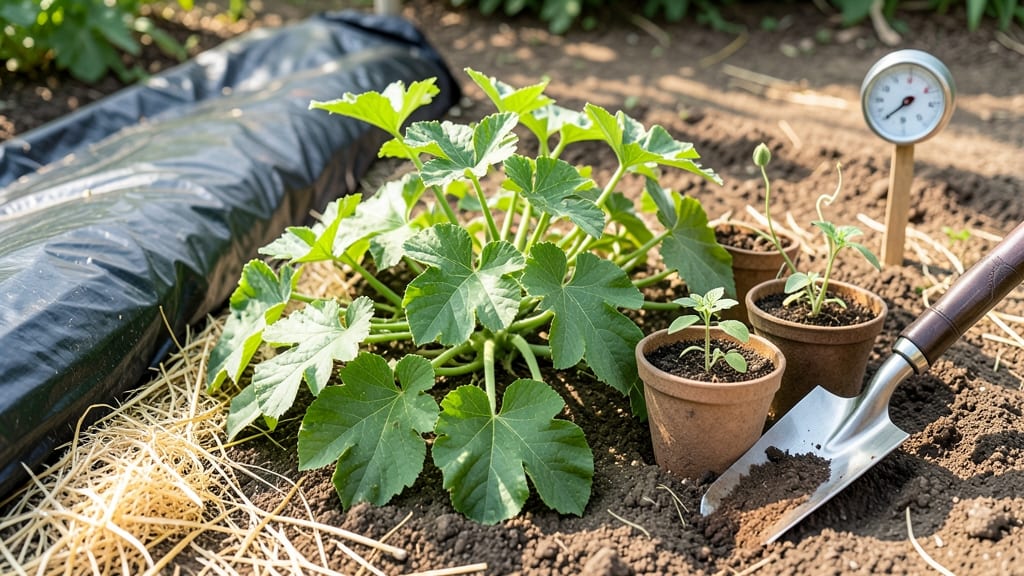
To plant watermelon in Massachusetts, aim for mid-May to early June after the last frost has passed and soil temperatures hit at least 70°F—any earlier risks frost damage, while late planting may leave vines struggling to mature before summer’s end.
Massachusetts gardeners know timing is everything—plant 🍉 watermelon too early, and frost will kill your crop; too late, and summer’s heat won’t ripen them. Here’s the exact window to maximize your harvest in the Bay State.
In zones 5b-7a, soil warmth is the real deadline: test it with a thermometer or wait for the 3-4 inch layer to reach 70°F.
Black plastic mulch can shave weeks off that wait, while container gardeners may start seeds indoors 4-6 weeks before the last frost for a head start.
Below, you’ll find zone-specific frost dates, the best varieties for Massachusetts’ short summers, and how to avoid common mistakes—like planting too close together or ignoring soil pH—that can turn a promising crop into a flop.
Massachusetts frost-free dates & ideal watermelon planting windows by Zone
Massachusetts’ short growing season and variable frost dates make timing critical for watermelon success. In USDA Zones 5b-7a, your last frost date typically falls between mid-April and mid-May, but soil warmth matters more than air temperature.
Watermelons need soil temps of 70°F+ to germinate—something that usually happens 2-3 weeks after the last frost in most regions.
For direct-sown seeds (the preferred method), aim for planting mid-May to early June in western MA (Zone 6a-7a) and late May to early June in eastern MA (Zone 5b-6a).
These windows give vines 90-100 days to mature before first frost (usually mid-October). Container gardeners have 10-14 extra days to plant since pots warm faster.
Use a soil thermometer to confirm readiness—watermelon seeds won’t sprout in cold soil. In Zone 5b, where nights stay chilly, opt for black plastic mulch or row covers to accelerate warming. For container gardening, use 5-gallon pots with dark-colored fabric to absorb heat faster.
Pro tip: Start seeds indoors 2-3 weeks early if your zone is 5b, then transplant after Memorial Day (May 25th). This gives vines a 2-week head start before direct-sown seedlings.
Choose fast-maturing varieties like ‘Sugar Baby’ (70 days) or ‘Crimson Sweet’ (80 days) for shorter seasons.
Watch for late-season heat waves in July—watermelons need consistent warmth (80°F+) to set fruit. If temperatures dip below 75°F for more than 3 days, flowering slows dramatically. Use drip irrigation to maintain moist but not soggy soil, which prevents blossom-end rot and cracked fruit.
In eastern Massachusetts, where summers are 1-2 weeks shorter, prioritize early-maturing varieties and south-facing locations. Avoid planting after June 15th—vines won’t have enough time to produce marketable fruit before frost. For container growers, move pots to sunniest spots and use self-watering systems to prevent stress.
Remember: Watermelons are heat-lovers, not frost-tolerant. Even a light frost (32°F) can kill vines, so monitor weekly forecasts in September. If a cold snap threatens, harvest green but mature fruit—they’ll ripen indoors at 70°F with ethylene treatment (place an apple nearby).
For maximum yield, plant 2-3 seeds per hill, thin to the strongest vine, and give plants 3-4 feet of space to sprawl. In small gardens, use trellises for dwarf varieties like ‘Tiny Tim’ to save space.
Just be prepared to harvest earlier—vines grown vertically may produce smaller fruit.
🌱
How to extend the watermelon growing season in Massachusetts’ short summers
Massachusetts’ short growing season can feel like a race against time for watermelon lovers. With late frosts in May and early cold snaps by September, protecting your crop requires smart planning.
The key is combining cold-hardy varieties, soil warming tricks, and protective barriers to give your plants the best shot at success. I’ve grown watermelons in USDA zones 5b–7a for years, and these strategies have helped me extend harvests by 3–4 weeks.
Start by choosing shorter-season varieties like ‘Sugar Baby’ (58 days to maturity) or ‘Crimson Sweet’ (70 days), which thrive in cooler conditions compared to standard varieties. Pair these with soil warming techniques like black plastic mulch, which can raise soil temperatures by 10–15°F—critical for germinating seeds in chilly springs.
Even a 2–3 week head start indoors can make the difference between a bountiful harvest and a failed crop.
🌱 How to Extend Your Watermelon Season in MA
- 1. Start seeds indoors 2–3 weeks before your last frost date (typically early May) using grow lights to simulate 14+ hours of light.
- 2. Use black plastic mulch to warm soil to 70°F+—plant seeds directly into slits in the mulch for faster germination.
- 3. Cover seedlings with floating row covers until soil warms (use stakes to create a tent shape for airflow).
- 4. Choose cold-tolerant varieties like ‘Sugar Baby’ or ‘Crimson Sweet’—they handle 50°F nights better than standard types.
- 5. Extend the season with row tunnels or cold frames after harvest to protect late-season vines from early October frosts.
For gardeners in northern MA (zones 5b–6a), I recommend starting seeds indoors under grow lights by mid-April. Use biodegradable pots to transplant seedlings outdoors after the last frost, burying the pots halfway to encourage root growth.
In southern MA (zones 6b–7a), you can direct-sow seeds after soil reaches 70°F, usually by late May, but still use row covers for added protection.
Another game-changer? Black plastic mulch—it doesn’t just warm the soil; it also suppresses weeds and retains moisture. Lay it down 2–3 weeks before planting to let it heat up, then cut small slits for seeds or seedlings.
Pair this with drip irrigation to keep roots consistently moist without wetting the foliage, which reduces disease risk in MA’s humid summers.
If you’re worried about early September cold snaps, consider using low tunnels or hoop houses to create a microclimate. These simple structures can add 5–10°F of warmth, buying you extra time to harvest.
I’ve even seen gardeners use old window frames covered with plastic to protect vines—it’s a budget-friendly way to extend the season without breaking the bank.
Finally, don’t overlook companion planting. Watermelons pair well with bush beans or radishes, which help loosen soil and deter pests. Avoid planting near potatoes or squash, as they compete for nutrients.
With these strategies, you can enjoy homegrown watermelons well into September, even in Massachusetts’ unpredictable climate! 🍉