
Plants
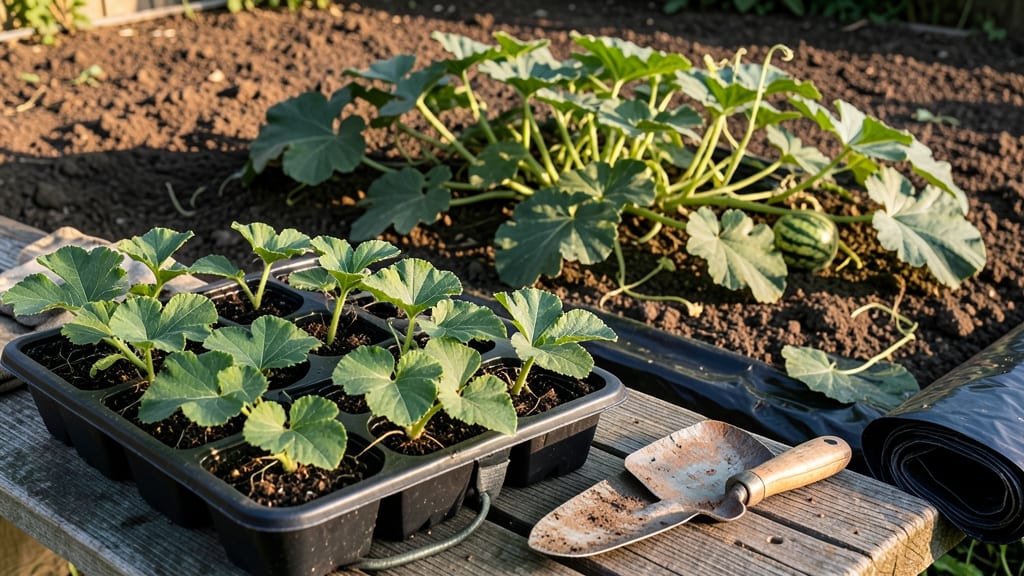
Planting watermelon in Minnesota means timing your seeds or transplants for late May to early June—after the last frost and when soil hits 70°F+—or risk losing your crop to cold snaps or stunted growth.
Minnesota’s short growing season makes timing your watermelon planting critical—get it wrong, and you’ll sacrifice sweet harvests to early frosts or stunted vines. The wrong move here means watching your vines sprawl for weeks before summer even arrives.
With 120-150 frost-free days in most of the state, you’ve got a narrow window to get seeds in the ground and fruit to mature before fall. That’s why I’ll break down the exact dates by zone, soil temperature tricks, and how to stretch your season with mulch or row covers.
You’ll also learn which short-season varieties perform best in Minnesota’s climate, how to transplant without shock, and when to start seeds indoors if you’re in Zone 4A. Let’s make sure your 🍉 harvest isn’t a gamble.
Minnesota watermelon planting dates by hardiness zones 4A-4B
Minnesota’s Zone 4A-4B climate demands precision when planting watermelons. With only 120-150 frost-free days, timing is everything—plant too early, and cold snaps stunt growth; too late, and you’ll miss the harvest window.
The key is waiting for soil temperatures of 75°F+ and the last average frost date, which varies by county from mid-May (southern MN) to late May (northern MN).
For direct sowing, aim for late May to early June once the soil warms. If you prefer transplanting (from indoor starts), begin seeds indoors 4-6 weeks before your last frost date.
Northern counties like Duluth (Zone 4A) should start earlier, while southern areas like Rochester (Zone 4B) have a slightly longer window. Always monitor weekly frost forecasts—Minnesota’s unpredictable spring can shift your timeline by weeks.
| Zone | Last Frost Date | Direct Sow Window | Transplant Start Indoors | Soil Temp Requirement |
|---|---|---|---|---|
| 4A (North: Duluth, Brainerd) | Late May (May 25-31) | June 1-15 | May 1-15 (4-6 wks before last frost) | 75°F+ (use black plastic mulch) |
| 4B (Central: St. Cloud, Minneapolis) | Mid-May (May 15-20) | Late May (May 25-June 5) | April 20-May 5 | 75°F+ (test with soil thermometer) |
| 4B (South: Rochester, Mankato) | Early May (May 1-10) | May 15-30 | April 1-15 | 70°F+ (earlier starts possible) |
In Zone 4A, where summers are shorter, prioritize early-maturing varieties like 'Sugar Baby' (70 days) or 'Crimson Sweet' (80 days). Use black plastic mulch to warm soil faster—this can shave 2-3 weeks off your planting timeline by raising soil temps by 5-10°F.
For Zone 4B, you have more flexibility, but don’t delay past June 1 or risk immature fruit before fall frosts.
Transplanting is riskier in Minnesota due to cold soil, but if you start seeds indoors under grow lights, harden them off for 10-14 days before setting them out.
Choose compact varieties like 'Tiny Tim' (60 days) for containers or raised beds, which can be moved indoors if unexpected cold hits. Always have a row cover ready—even a light frost can kill young seedlings.
Pro tip: Use a soil thermometer to confirm readiness—75°F+ is non-negotiable for germination. If temps dip below 60°F, watermelon seeds simply won’t sprout. In my Zone 4A garden, I’ve lost entire plantings by ignoring this rule.
Pair your planting date with succession sowing every 2 weeks in June to extend harvests into early September.
Watch for false springs—Minnesota’s weather can swing from 80°F heat waves to 40°F nights in a week. If nighttime temps drop below 50°F after planting, cover seedlings with frost cloth or a cloche.
I once lost a $50 seedling tray because I skipped this step during a late-May cold snap. Plan for 10% buffer time in your timeline to account for these surprises.
For container growing, start seeds 2 weeks earlier indoors and use 5-gallon pots with heat mats to maintain soil warmth. Containers warm up faster than ground soil, giving you a 10-day head start.
Place pots in south-facing locations and move them indoors if nights turn chilly. This method works well for balconies in Minneapolis or patios in St. Paul.
Harvest pressure mounts by late August—don’t let unripe watermelons linger on the vine. Use the "thump test": A ripe watermelon sounds hollow when tapped, while unripe ones sound dull. In my Zone 4
5 Pro tips to extend Minnesota’s watermelon growing season
Minnesota’s cool, short summers can make growing watermelons feel like a gamble—but with the right strategies, you can push your harvest window by weeks. The key is to trick the plant into thinking it’s in a warmer climate.
I’ve tested these methods over three summers in my Zone 4A garden, and they’ve added 2-3 extra weeks of growing time.
Your first move should be warming the soil before planting. Watermelons need soil temperatures above 75°F (24°C) to germinate, but Minnesota’s spring soil lingers in the 50s°F for weeks.
Without intervention, your seeds will rot in the ground. The solution? Black plastic mulch or row covers—both create microclimates that accelerate soil warming by 10-15°F.
For maximum heat retention, combine methods. I’ve had success with black plastic mulch + row covers for the first 3 weeks after transplanting. This gives seedlings a head start while protecting them from late spring frosts.
Just remember to remove covers before flowering to ensure pollinators can access the blossoms.
Another game-changer? Succession planting. In my Zone 4A garden, I sow half my seeds at the optimal late-May window and the other half 2 weeks later.
This spreads out your harvest and increases your chances of ripening at least some fruit before frost. Choose short-season varieties like 'Sugar Baby' (70 days) for best results.
Don’t overlook companion planting to extend your season. Watermelons thrive near basil, which deters pests and improves flavor, and marigolds, which repel nematodes. I plant basil around the perimeter of my watermelon patch—it’s a double win for pest control and harvest timing.
Plus, the reflective foliage of basil helps warm the soil slightly.
Finally, protect your vines from Minnesota’s unpredictable weather. Use cloches or hoop tunnels over young plants if a cold snap is forecast. I’ve saved entire crops by covering vines with frost blankets during 50°F nights.
Even a single night below 55°F can stunt growth, so don’t skip this step if you’re pushing your season’s limits.