
Plants
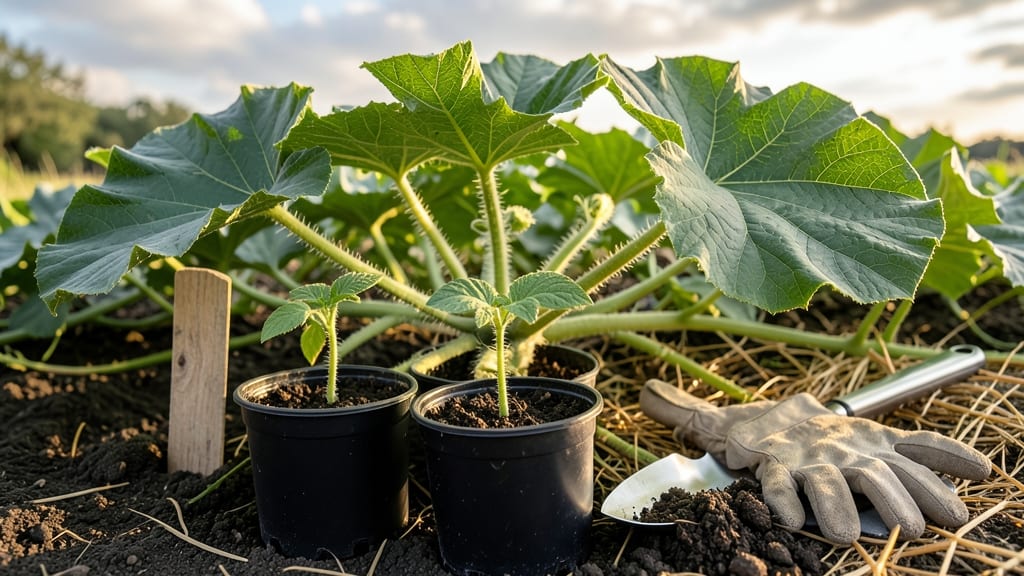
Planting watermelon in Mississippi after your last frost date—typically mid-April to early May—sets the stage for a bumper crop of sweet, juicy fruit 🍉.
Mississippi’s long, hot summers create the perfect conditions for watermelons, but planting too early or late can ruin your harvest. Timing is everything, and knowing your frost-free zone ensures your vines thrive from seed to ripe fruit.
In Mississippi’s 8a zone, where most of the state falls, soil temperatures must reach at least 70°F before planting. This usually aligns with late April or early May, but cooler northern areas may need to wait until early May.
Below, I’ll break down the best planting windows by region, how to prepare your soil, and tips for direct sowing vs. transplants—plus how to handle late-summer varieties for an extended harvest.
Mississippi watermelon planting dates by frost-free Zone (2024 guide)
Mississippi’s USDA Zones 8a–9a offer ideal conditions for growing sweet, juicy watermelons, but timing is critical to avoid frost damage or stunted growth. The state’s 215 frost-free days create a long growing season, but soil temperatures and last-frost dates vary by region.
Whether you’re starting seeds indoors or direct-sowing, knowing your specific frost-free zone ensures your vines thrive from seed to harvest.
Watermelons need warm soil (70°F/21°C+) and consistent heat to germinate and produce fruit. Planting too early in cold soil can lead to poor germination or disease, while late planting may result in immature fruit before the first frost.
Below, I’ve broken down the optimal planting windows for each of Mississippi’s zones, including soil temperature requirements and deadlines for both direct sowing and transplanting.
Pro Tip: Use a soil thermometer to confirm temperatures before planting. Black plastic mulch can warm soil faster and extend your planting window by 1–2 weeks in cooler zones.
| Zone | Last Frost Date | Direct Sow Date | Transplant Date | Soil Temp Requirement | Deadline for Harvest |
|---|---|---|---|---|---|
| 8a (North MS) | April 15 | May 1–15 | April 1–15 | 70°F+ (21°C+) | October 1 |
| 8a (Central MS) | April 1 | April 20–May 5 | March 20–April 5 | 70°F+ (21°C+) | October 15 |
| 8b (South MS) | March 15 | April 1–15 | March 1–15 | 70°F+ (21°C+) | November 1 |
| 9a (South MS) | February 28 | March 15–April 1 | February 15–March 1 | 70°F+ (21°C+) | November 15 |
For Zone 8a (North Mississippi), where frost lingers until mid-April, start transplants indoors by March 15 to ensure they’re ready for outdoor planting after the last frost. Direct-sow seeds after May 1 to avoid cold soil, which can delay germination by weeks.
In Zone 9a (Southern Mississippi), you can start as early as February 15 for transplants or direct-sow by March 15, giving you a longer harvest window.
If you’re transplanting seedlings, harden them off for 7–10 days before moving them outdoors. Heat-loving varieties like Crimson Sweet or Sugar Baby thrive in Mississippi’s heat but need consistent moisture. Mulch heavily to retain soil warmth and reduce evaporation, especially in Zone 8a, where summer droughts can stress vines.
Mississippi’s humidity and heat accelerate watermelon growth, but early-morning planting helps seeds germinate faster. Avoid planting after June 15 in Zone 8a—fruit may not mature before the first frost.
In Zone 9a, you can push planting to July 1 for late-season varieties like Jubilee, which tolerates warmer temperatures.
For succession planting, sow a second batch of seeds 4–6 weeks after your initial planting. This ensures a continuous harvest from July through September. In Zone 8a, focus on early-maturing varieties (60–70 days), while Zone 9a gardeners can experiment with longer-season types (80–90 days).
Always monitor local weather forecasts—unpredictable late frosts can occur even in Zone 9a. Use row covers for early plantings if frost is forecasted. With the right timing, Mississippi
How to extend your Mississippi watermelon season for bigger harvests
Mississippi’s hot summers are perfect for watermelons, but early frost or heat stress can cut your harvest short. By using season-extending techniques, you can push your growing season by 4-6 weeks, producing sweeter, larger fruit.
The key lies in soil warming, protective covers, and smart variety selection tailored to Mississippi’s climate zones.
One of the most effective methods is black plastic mulch, which warms soil 10-15°F faster than bare earth. This allows you to plant 2-3 weeks earlier in spring and delay harvest by 3-4 weeks in fall.
Pair this with row covers to shield young plants from late frosts or early heatwaves, giving you a longer productive window.
For a visual comparison of the best strategies, here’s what works—and what doesn’t—for Mississippi gardeners:
Extending Watermelon Season in Mississippi
Black Plastic Mulch
- ✅ Pros: Warms soil faster, suppresses weeds, retains moisture
- ✅ Best for: Early spring planting (March-April) and fall extensions
Install 2-3 weeks before planting for max soil warming.
Row Covers
- ✅ Pros: Protects from frost, shields from pests, extends harvest by 3-4 weeks
- ❌ Cons: Reduces airflow (remove during flowering)
Use lightweight fabric until plants are established.
Succession Planting
- ✅ Pros: Staggered harvests, maximizes space, reduces disease risk
- ✅ Best for: Late-summer varieties (plant every 2 weeks from May-June)
Choose varieties with 60-75 day maturity.
Late-Season Varieties
- ✅ Pros: Heat-tolerant, disease-resistant, longer shelf life
- ❌ Cons: Slower to mature than early types
Try Crimson Sweet or Sugar Baby for fall harvests.
Choosing the right watermelon varieties is critical. Early-season types like Sugar Baby (60 days) thrive in Mississippi’s spring, while late-season varieties such as Crimson Sweet (85 days) handle summer heat better. For succession planting, opt for medium-maturity varieties (70-75 days) to ensure overlapping harvests from July through September.
Don’t forget to prune excess vines after the first 6-8 feet to focus energy on fruit production. This simple step can increase your yield by 20-30% while keeping melons more manageable.
Pair this with consistent deep watering (1-2 inches per week) to prevent blossom-end rot, a common issue in Mississippi’s humid climate.
With these strategies, you can double your harvest window and enjoy watermelons from mid-June through October. The key is balancing soil warmth, protective covers, and variety selection—just like the pros do in Mississippi’s most productive home gardens. 🌱