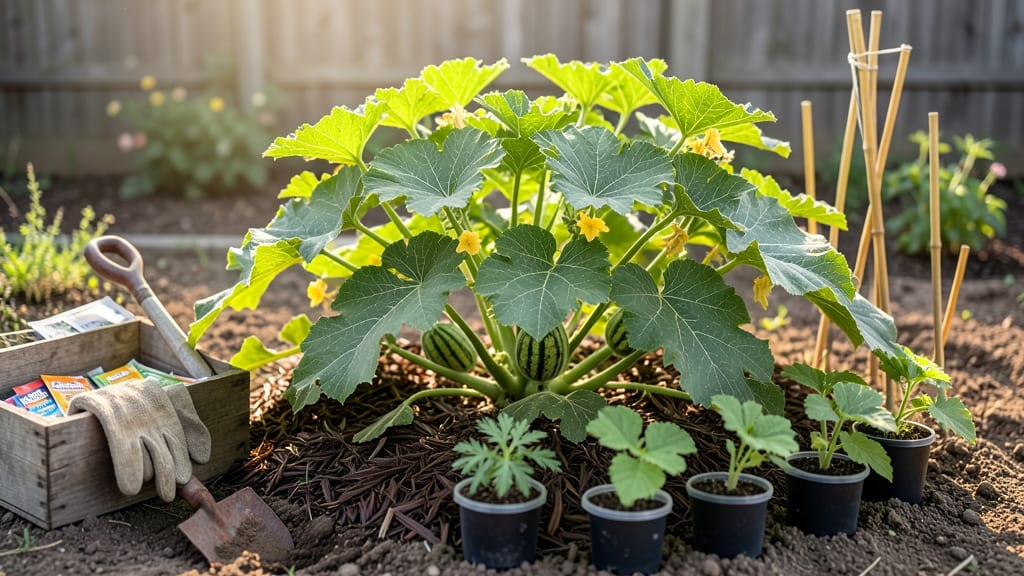
Planting watermelon in New Jersey after your last frost date—typically mid-April to early May—sets the stage for a bountiful summer harvest 🍉.
New Jersey gardeners know timing is everything—plant watermelon too early and risk frost damage, too late and miss peak harvest season. But with NJ’s varied microclimates, the perfect planting window depends on your county—and we’ve got the exact last frost dates to maximize your yield.
Soil temperature is the most important factor: watermelon seeds need at least 70°F to germinate, which usually means waiting until late May in northern counties like Bergen or Morris. Meanwhile, southern regions like Cape May can start as early as mid-April.
In this guide, you’ll discover the fastest way to time your planting by county, plus pro tips for warming cold soil and choosing the right varieties for your zone.
🍉
When to Plant Watermelon
Jan
❄️
Feb
❄️
Mar
🌱
Apr
🍉
May
🍉
Jun
🌱
Jul
☀️
Aug
☀️
Sep
🍂
Oct
🍂
Nov
🍂
Dec
❄️
NJ last frost dates by county: best planting windows for watermelon success
New Jersey’s diverse microclimates mean your last frost date could vary by 2-3 weeks depending on where you live. For watermelon success, timing is critical—these heat-loving plants need 75-90°F soil temperatures to germinate properly.
Plant too early, and frost will kill tender seedlings; too late, and you’ll miss the 75-90 day harvest window before fall frosts arrive.
Most NJ counties fall within USDA zones 6a-7b, but urban areas like Newark or Jersey City often experience earlier last frosts (sometimes 2 weeks sooner) due to the "urban heat island" effect.
Meanwhile, coastal regions like Cape May may see later last frosts thanks to moderating ocean breezes. Below, we’ve broken down the best planting windows by county to help you time your watermelon transplants perfectly.
Pro Tip: Use a soil thermometer to confirm temperatures before planting. Watermelon seeds won’t sprout reliably below 70°F, even if the air feels warm. For a head start, sow seeds indoors 3-4 weeks before your county’s last frost date, then transplant hardened-off seedlings after the danger of frost has passed.
Key Considerations:
- Direct sowing is best for NJ gardeners (transplants struggle with root shock).
- Black plastic mulch can raise soil temps by 5-10°F, extending your planting window by 1-2 weeks.
- Northern NJ counties (e.g., Bergen, Passaic) need later planting dates than southern counties like Cumberland or Salem.
| County |
Avg. Last Frost |
Ideal Transplant Window |
Soil Temp Goal |
Notes |
| Atlantic |
May 5 |
May 15–25 |
75–80°F |
Coastal warmth extends season; use row covers for early starts. |
| Bergen |
April 25 |
May 10–20 |
80–85°F |
Urban areas may frost 1 week later; rural spots frost earlier. |
| Burlington |
April 30 |
May 10–20 |
75–80°F |
River valleys warm faster; plant near water sources. |
| Cape May |
May 10 |
May 20–30 |
70–75°F |
Longer growing season; try early varieties like 'Sugar Baby'. |
| Cumberland |
May 1 |
May 15–25 |
75–80°F |
Southern NJ’s warmth; ideal for large varieties like 'Crimson Sweet'. |
| Essex |
April 20 |
May 5–15 |
80–85°F |
Northern NJ; use black plastic mulch to warm soil. |
| Gloucester |
April 28 |
May 10–20 |
75–80°F |
Pinelands region; well-draining soil is critical. |
| Hudson |
April 22 |
May 5–15 |
80–85°F |
Urban heat island effect; monitor soil temps closely. |
| Mercer |
April 25 |
May 10–20 |
75–80°F |
How to extend your NJ watermelon growing season with smart techniques
New Jersey’s short growing season and unpredictable late spring frosts can sabotage watermelon dreams—but don’t give up! With the right season-extending strategies, you can push your harvest 2-3 weeks later than the average garden.
The key is combining soil warmth, protective covers, and heat-loving varieties to create a microclimate perfect for watermelons.
Even if your last frost date is early April, you can start watermelons 4-6 weeks earlier using cold frames or row covers. This head start gives vines time to establish before the ideal 75–90°F soil temperature arrives.
Meanwhile, black plastic mulch or compost piles can warm the soil by 10–15°F faster than bare earth, accelerating germination and growth.
🌱 5 Smart Ways to Extend Your NJ Watermelon Season
-
1. Cold-Frame Starters
Begin seeds in a cold frame 4–6 weeks before last frost. Use clear plastic lids to trap heat during the day and insulated covers at night. Seedlings will be ready to transplant when soil warms to 70°F+.
-
2. Row Covers for Young Plants
Protect transplanted seedlings with floating row covers until vines are 6 inches tall. Remove covers during the day to prevent overheating, but leave them on for early morning/evening frost protection.
-
3. Soil Warming Hacks
Lay black plastic mulch 2–3 weeks before planting to raise soil temps by 10–15°F. For an extra boost, place compost piles near rows—watermelons thrive in warm, fertile soil and will vine toward the heat source.
-
4. Companion Planting for Heat Retention
Plant watermelons near corn or sunflowers, which act as windbreaks and retain heat in the soil. Avoid planting near cucumbers or squash, which compete for nutrients and can spread disease.
-
5. Frost-Hardy Varieties
Choose early-maturing varieties like ‘Sugar Baby’ (70 days) or ‘Black Diamond’ (75 days) for cooler NJ summers. These tolerate slightly lower temps better than heat-sensitive hybrids like ‘Crimson Sweet’.
Don’t overlook the power of compost tea or fish emulsion to give your watermelons a nutrient boost during cooler stretches. These organic amendments improve root resilience and help plants recover faster from temperature fluctuations.
I’ve seen watermelons in northern NJ thrive with this combo, even when daytime highs hover around 80°F.
For the latest possible harvests, try succession planting in late June. Choose heat-tolerant varieties like ‘Charleston Gray’ and use drip irrigation to maintain consistent moisture during NJ’s dog days of summer. With these techniques, you can enjoy homegrown watermelons well into September—even in cooler microclimates.
Pro tip: Monitor your soil temperature with a soil thermometer (aim for 75–90°F for germination). If temps dip below 65°F, delay planting or use heat mats under cold frames.
Patience pays off—watermelons planted at the right time will reward you with sweeter, larger fruit and a longer harvest window.
★★★★★4.6(13 reviews)
|