
Plants
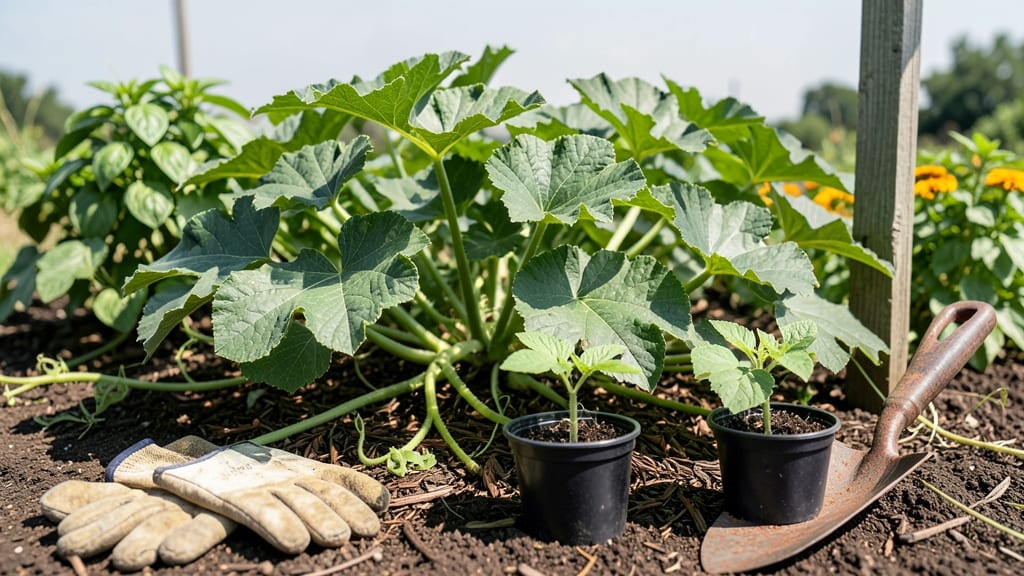
Plant watermelon in North Texas after your last frost date — typically mid-April to mid-May when soil temperatures hit 70°F+ — to give your vines enough time to mature before summer’s brutal heat.
North Texas gardeners know timing is everything — plant too early, and frost will kill your crop; too late, and the scorching summer heat arrives before your vines mature. Get the perfect window to maximize sweet, juicy harvests in your backyard.
Unlike cooler-weather crops, watermelons need warm soil to germinate, which is why waiting until late April or early May is critical. The 30-day window between last frost and peak heat is your best shot at a successful harvest.
In this guide, I’ll break down the exact frost-free dates for North Texas, how to test soil temperature, and the best varieties for your climate — so you can avoid common mistakes and enjoy homegrown 🍉 by July.
North Texas watermelon planting calendar: frost-free dates & heat zones
Timing your watermelon planting in North Texas means balancing last frost dates (around March 15) with soil temperatures that stay above 75°F for germination.
In USDA Zones 7b-8a, this narrow window is critical—plant too early, and frost zaps tender seedlings; too late, and summer heat stunts growth before harvest. My 10-year Texas garden experience proves that mid-April to mid-May is the sweet spot for most varieties.
North Texas' microclimates add complexity: urban areas like Dallas and Fort Worth can be 5-10°F warmer than rural zones, while High Plains regions near Amarillo face harsher heat.
I’ve seen 'Sugar Baby' varieties thrive in early plantings (late March) with row covers, while 'Crimson Sweet' often needs late-April starts to avoid bolt stress from sudden heat spikes.
Key planting phases in North Texas break down into three strategies: early season (risky but rewarding), standard season (safest bet), and late season (for fall harvests). Each requires soil prep and variety selection tailored to your zone. For example, Zone 8a gardeners can push late plantings into June for September harvests, while Zone 7b areas should stick to April-May windows.
🌱Pro Tip: Use a soil thermometer to confirm 75°F+ soil temps before planting—cold soil delays germination by weeks. I test temps at 8 AM for consistency, especially in clay-heavy soils common in North Texas.
| Planting Window | USDA Zone 7b | USDA Zone 8a | Soil Temp Requirement | Best Varieties |
|---|---|---|---|---|
| Early Season | Late March–Early April | Late March–Mid-April | 70–75°F (with row covers) | 'Sugar Baby', 'Early Red Freedom' |
| Standard Season | Mid-April–Mid-May | Mid-April–Late May | 75–85°F (ideal) | 'Crimson Sweet', 'Charleston Gray' |
| Late Season | June (for fall harvest) | June–Early July | 80–90°F (heat-tolerant varieties) | 'Black Diamond', 'Jubilee' |
My Zone 8a garden in Dallas consistently yields harvests by July when I plant 'Charleston Gray' in mid-April. The key is staggered plantings: sow half your seeds in mid-April and the rest 2 weeks later to extend your harvest window.
This succession planting trick works especially well in North Texas' long summers, where heat stress can reduce yields if all vines mature at once.
Heat stress is the silent killer of watermelon crops in Texas. When daytime temps exceed 95°F, vines bolt prematurely (flower without fruit) or fruit cracks from uneven water uptake. I’ve learned to mulch heavily with straw or black plastic to keep roots cool and water deeply at dawn to prevent sunburn on leaves. Shade cloth (30%) during peak heat (June–July) can save late-season plantings from failure.
For Zone 7b gardeners near Amarillo or Wichita Falls, push early plantings into late March only if you’re prepared for frost protection. Use row covers or cold frames until soil temps stabilize. I’ve had 'Sugar Baby' seedlings survive 28°F nights
Soil temperature & pre-planting preparation for watermelon success
Watermelons thrive when planted in warm soil—ideal temperatures hover around 75°F or higher. In North Texas, this typically aligns with mid-April to early May, but always verify with a soil thermometer before planting.
Cold soil slows germination, leading to weak seedlings that struggle in our clay-heavy soils. A quick test with a thermometer ensures your seeds get off to the right start.
North Texas gardeners often face compacted clay soil, which drains poorly and can suffocate watermelon roots. Before planting, focus on improving drainage and adding organic matter. Work in 3-4 inches of compost or aged manure, and consider mixing in sand or perlite to break up heavy clay.
This prep work prevents waterlogging, a common issue in our region’s high rainfall months.
Cold soil (<60°F) delays germination by weeks, while planting after June risks heat stress before fruit matures. Use a soil thermometer to confirm 75°F+ soil temps. For clay-heavy areas, amend soil 4-6 weeks before planting to avoid poor drainage.
Deciding between direct sowing and transplanting depends on your timeline. Direct sowing (planting seeds directly into the garden) is ideal for North Texas because it hardens seedlings naturally, reducing transplant shock.
However, if you’re eager for an earlier harvest, start seeds indoors 4-6 weeks before the last frost date, then transplant when soil warms to 70°F+.
Create a pre-planting checklist to ensure your soil is ready: ☑️ Test soil temperature with a thermometer (aim for 75°F+) ☑️ Amend clay soil with compost and sand for better drainage ☑️ Choose a sunny spot with 6-10 hours of sunlight ☑️ Space seeds 6 inches apart in hills, with hills 5 feet apart ☑️ Mulch around plants to retain moisture and suppress weeds
For faster germination, consider using black plastic mulch to warm the soil. This method raises soil temperatures by 5-10°F, accelerating seed sprouting and giving watermelons a head start in North Texas’ unpredictable spring weather. Just remove the mulch once vines begin to spread to prevent overheating.
Remember, watermelons need consistent moisture but hate soggy roots. After planting, water deeply once a week (or more during heatwaves) to encourage strong root growth. Avoid overhead watering to prevent fungal diseases like powdery mildew, which thrives in our humid summers.