
Plants
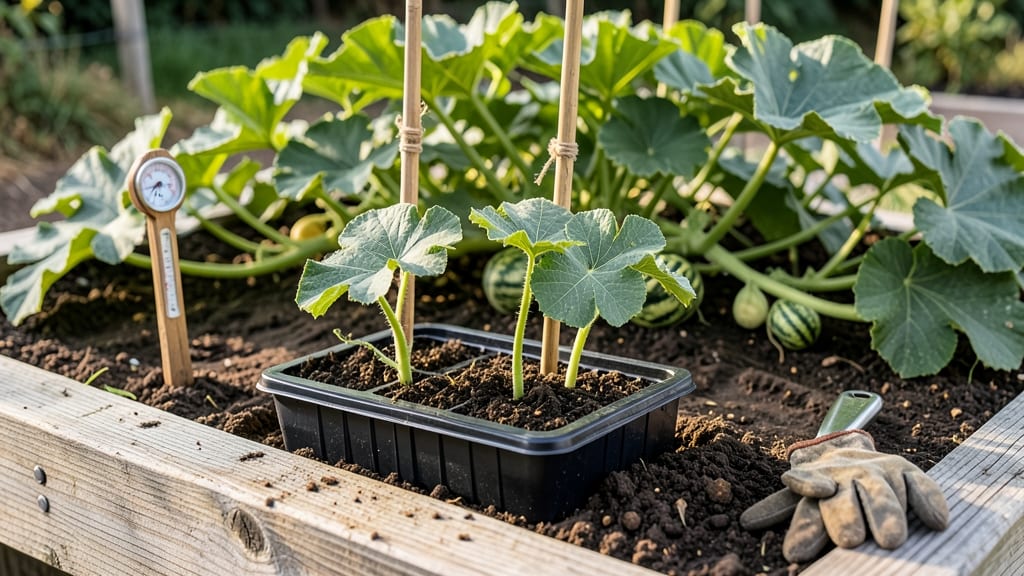
Planting watermelon in Pennsylvania after your last frost date — typically mid-May to early June — sets you up for a juicy harvest before fall cools down.
But here’s the catch: those late spring frosts in the 5b-7a zones can still sneak in, turning your seedlings into a sad, wilted mess. I’ve seen it happen more times than I’d like to admit, especially in the Pittsburgh area, where the weather plays hard to get.
You’ll want to time it right, balancing soil warmth (aim for 70°F+) with frost-free confidence. Below, I’ll break down the exact windows for your zone, plus how to stretch your season with cold protection or early varieties.
Skip the guesswork and learn how to match your planting to Pennsylvania’s quirky climate — because nothing beats that first slice of homegrown 🍉 in July.
Pennsylvania watermelon planting dates by USDA hardiness Zone: exact timing for success
Pennsylvania’s diverse USDA hardiness zones (4a-7a) create big differences in last frost dates and ideal watermelon planting windows. In Zone 4a (northwest PA), you’ll wait until mid-May, while Zone 7a (southwest PA) can start as early as late April.
The key is soil temperature—watermelons need 70°F+ soil to germinate properly.
To pinpoint your exact planting date, check Penn State Extension’s frost-free date maps (available online) and add 2-3 weeks for safety. For example, Philadelphia (Zone 7a) typically plants by May 1, while Erie (Zone 5b) waits until May 15.
Always verify with your local microclimate—valleys stay colder longer!
For Zone 4a-5a gardeners, I recommend starting watermelon seeds indoors (4-6 weeks before last frost) in biodegradable pots to transplant after soil warms. Use a soil thermometer—if it’s below 70°F, seeds won’t germinate.
In Zones 6a-7a, direct sow after May 1 for best results with heat-loving varieties like 'Crimson Sweet'.
Pro tip: If your area has late spring frosts (common in northeast PA), opt for bush varieties like 'Sugar Baby' (45-50 days to maturity) or 'Golden Midget' (50-55 days).
These mature faster and handle cooler soils better than traditional vining types. Always harden off seedlings for 7-10 days before transplanting to avoid shock.
Don’t forget to prepare your soil 2-3 weeks before planting. Watermelons thrive in well-draining, sandy loam with a pH of 6.0-6.8. Mix in compost and a balanced fertilizer (10-10-10) at planting time.
In heavy clay soils (common in southeast PA), raise beds or amend with peat moss to improve drainage.
One common mistake in Pennsylvania is planting too early and risking frost damage. I’ve seen Zone 5b gardeners lose entire crops by planting in mid-April. Always check the 10-day forecast and wait until nighttime temperatures stay above 55°F.
For extra protection, use floating row covers for the first 2 weeks after transplanting.
In Zone 7a, you can push your season by planting successive crops every
How to extend your Pennsylvania watermelon growing season: cold protection and early varieties
Pennsylvania’s short growing season can feel like a ticking clock for watermelon lovers. With frost-free dates ranging from late April in the south to early June in the north, timing is critical.
But don’t let early frosts or late springs stop you—there are smart ways to extend your season and enjoy homegrown watermelons. The key? Combining cold-hardy varieties with protective strategies like row covers and cold frames.
One of my favorite tricks is starting with early-maturing varieties like 'Sugar Baby' or 'Crimson Sweet'. These varieties thrive in Pennsylvania’s climate and can produce fruit in as few as 65-75 days, giving you a head start.
Pair them with season-extending tools, and you’ll push your harvest window well into September, even in cooler zones.
Extending Your Watermelon Season in PA: Pros and Cons
- ✅ Extends season by 4-6 weeks spring/fall
- ✅ Protects seedlings from late frosts (down to 28°F)
- ✅ Reusable for multiple crops
- ✅ Lightweight and easy to install
- ✅ Blocks 2-4°F of frost damage
- ✅ Allows pollination by bees
- ❌ Requires more maintenance (ventilation)
- ❌ Can overheat in summer sun
- ❌ Takes up garden space
- ❌ Needs stakes or hoops for support
- ❌ Can reduce airflow if too heavy
- ❌ Not ideal for hot summer days
For gardeners in USDA Zones 5b-6a, where frost lingers longer, I recommend using black plastic mulch to warm the soil faster. Lay it down 2-3 weeks before planting to raise soil temperatures to the 70°F+ watermelons need.
Combine this with a row cover for the first 2 weeks after planting to shield young vines from unexpected cold snaps.
If you’re in Zone 7a, where summers are longer, focus on late-season varieties like 'Black Diamond' or 'Charleston Gray'. These can handle Pennsylvania’s hot, humid summers better than delicate varieties.
Plant them in early July for a fall harvest, using drip irrigation to keep plants hydrated without wetting the leaves (which can cause disease).
Don’t overlook companion planting as a natural way to protect your crop. Planting bush beans or marigolds nearby can deter pests and improve soil health. Plus, beans fix nitrogen, giving your watermelons a nutrient boost without over-fertilizing. Just be sure to give watermelons plenty of space (6-10 feet)—they’re sprawlers!
My final tip? Monitor your local microclimate. A spot near a brick wall or paved area will warm up faster than open ground. Use a soil thermometer to track temperatures—watermelon seeds won’t germinate below 65°F, and vines struggle below 70°F.
With these strategies, you can turn Pennsylvania’s short season into a long harvest. 🌱