
Plants
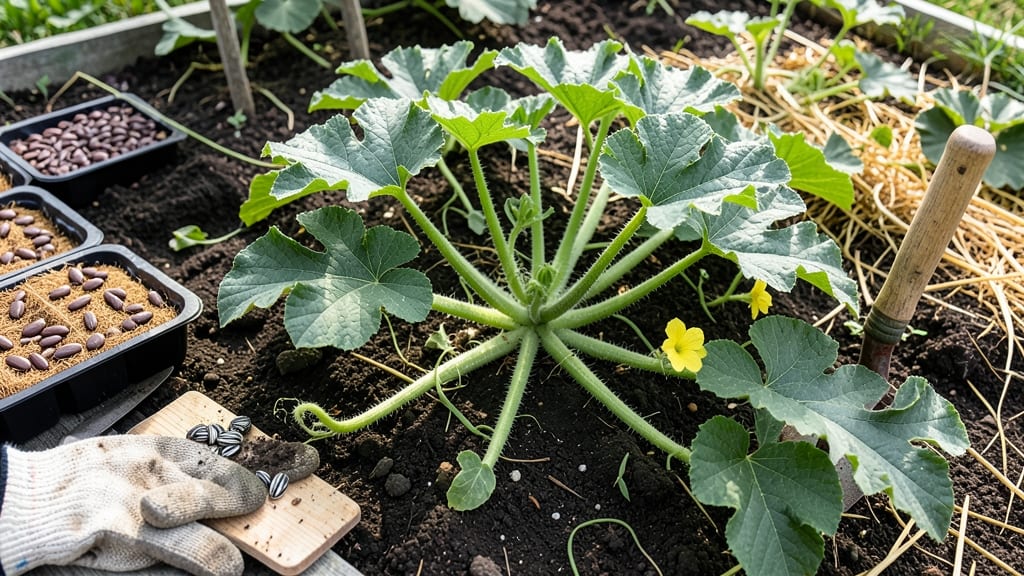
Planting watermelon seeds in Ontario demands precision—wait until soil hits 60°F (15°C) and all frost risk has passed, typically late May to early June.
Timing your watermelon seeds perfectly in Ontario’s climate can mean the difference between a bountiful harvest and wasted effort—soil temperatures and frost dates demand precision.
In Zone 5b-6a, where most of Ontario falls, the last frost usually lingers around mid-May, but soil warmth is the real game-changer. Watermelons need heat to germinate, so rushing them into cold ground is a recipe for failure.
Here’s how to nail the timing: I’ll break down frost-free dates by city, soil temperature tricks, and even ways to cheat the short growing season with row covers or black plastic mulch.
Ontario’s frost-free dates and ideal planting windows for watermelons
Watermelons (Citrullus lanatus) thrive in Ontario’s warm summers, but getting the timing right is critical—plant too early, and frost will kill tender seedlings; too late, and your harvest may never ripen.
Ontario’s USDA Zones 5b-6a mean we have just 165 frost-free days, leaving a tight window for these heat-loving plants. The key is aligning your planting with soil temperatures of at least 70°F (21°C) and your local last frost date, which can vary by 2-3 weeks across the province.
Most Ontario gardeners wait until late May to early June to plant watermelon seeds directly in the ground, but smart gardeners start seeds indoors 2-3 weeks earlier for a head start. This indoor window typically opens around mid-April in most regions, giving seedlings a chance to grow strong before transplanting.
Always check your local Environment Canada frost forecasts—they’re your best friend for adjusting these timelines.
Southern Ontario regions like London and Windsor often have the earliest frost-free dates, allowing watermelons to mature faster.
In contrast, Northern Ontario (Zone 5b) has shorter summers, so gardeners there should opt for early-maturing varieties like 'Sugar Baby' or 'Crimson Sweet' and consider black plastic mulch to warm the soil faster.
Always verify with your local agricultural extension office—they track microclimates that can shift planting dates by 1-2 weeks.
For direct sowing, wait until nighttime temperatures consistently stay above 15°C (59°F) and the soil at a 2-inch depth reaches 70°F (21°C). Use a soil thermometer—this is non-negotiable for watermelons.
If your soil is still cool, try warming it with clear plastic sheeting laid over the bed for 1-2 weeks before planting. This trick can shave off critical days and help you meet that 70°F threshold faster.
Pro tip: Watermelons need 6-10 hours of full sun daily, so choose the sunniest spot in your garden—even a 10% difference in sunlight can delay ripening by 1-2 weeks.
If you’re in a shadier microclimate, stick to container growing with 5-gallon pots and move them to sunnier areas as needed.
Don’t rely solely on calendar dates—watch your local weather forecasts for the final frost warning. Apps like WeatherNetwork or Old Farmer’s Almanac provide real-time updates. I once planted watermelon seeds in early June in Toronto, only to have an unexpected May frost wipe out my seedlings.
Since then, I’ve made it a habit to monitor forecasts for 7-10 days before planting and have backup seeds ready just in case.
For gardeners in Ottawa or Northern Ontario, consider starting seeds indoors under grow lights and transplanting after the last frost. Use biodegradable pots to avoid
How to use soil temperature and heat accumulation to time planting
Ontario’s short growing season makes soil temperature and heat accumulation your secret weapons for growing watermelons. Unlike air temperature, soil warmth tells you exactly when roots can thrive. For watermelons, consistent soil temps above 70°F (21°C) are non-negotiable—they need this warmth to germinate and grow properly.
Without it, your seeds might rot or your plants will struggle, even if the air feels warm. This is where Growing Degree Days (GDD) come in, helping you predict when your plants will mature based on accumulated heat.
Start by investing in a soil thermometer—it’s the most accurate way to track warmth. Stick it 2-3 inches deep in your garden bed (where roots will be) and check it daily.
In Ontario, soil temps often lag behind air temps, especially in early spring. Wait until morning soil temps hit 70°F (21°C) consistently before planting, even if the last frost date has passed. This usually happens in late May to early June, but it varies by region.
For example, Toronto’s soil warms faster than Ottawa’s due to lake effects, so adjust accordingly.
- 1 Monitor soil temps daily with a thermometer—aim for 70°F (21°C) for 3+ days.
- 2 Calculate Growing Degree Days (GDD) using the formula: (Daily Max + Daily Min)/2 - Base Temp (50°F for watermelons). Track until you hit 1,000-1,200 GDD for maturity.
- 3 Use black plastic mulch to warm soil 5-10°F faster—ideal for extending the season in cooler zones like Ottawa.
- 4 Plant early varieties (like 'Sugar Baby') when soil hits 65°F (18°C), and late varieties (like 'Crimson Sweet') when it’s 75°F+ (24°C).
- 5 Extend the season with row covers or cold frames—they can add 2-4 weeks of growing time in Ontario’s shorter summers.
If you’re in a cooler part of Ontario, like Zone 5b, you’ll need to get creative. Black plastic mulch is my top trick—it absorbs sunlight and raises soil temps by 5-10°F, giving watermelons a head start. Lay it down 1-2 weeks before planting to let it warm up.
Pair this with row covers for early-season protection, and you can push your planting window back by 2-3 weeks. Just remember to remove covers once flowers appear to allow pollination.
For gardeners in Zone 6a (like parts of southern Ontario), you’ve got a little more flexibility. Here, you can start early varieties as soon as soil hits 65°F (18°C) and still expect a harvest before frost.
Use a soil thermometer to track daily fluctuations—soil temps can drop 10°F+ overnight, especially in May. If you’re planting late varieties (like 'Charleston Gray'), wait until soil is 75°F+ (24°C) to ensure vines grow vigorously and fruit matures in time.
Don’t overlook Growing Degree Days (GDD)—this is how you predict maturity. Watermelons need 1,000-1,200 GDD to ripen, depending on the variety. Use a free GDD calculator (like the one from AAFC) to track progress.
If you’re planting in early June in Toronto, you’ll likely hit maturity by mid-August, but in Ottawa, you might need to start seeds indoors 4-6 weeks early to meet the deadline. Adjust your planting date if your GDD total is lagging behind.
Finally, if you’re pushing the limits—like growing watermelons in Ottawa or London—consider a cold frame or greenhouse. These can add 30-45 days to your growing season by trapping heat. Start seeds indoors in late April, then transplant into the cold frame when soil is 60°F (15°C).
Just be prepared to hand-pollinate flowers if covers block bees, as watermelons are 90% self-pollinating but need a little help in enclosed spaces.