
Plants
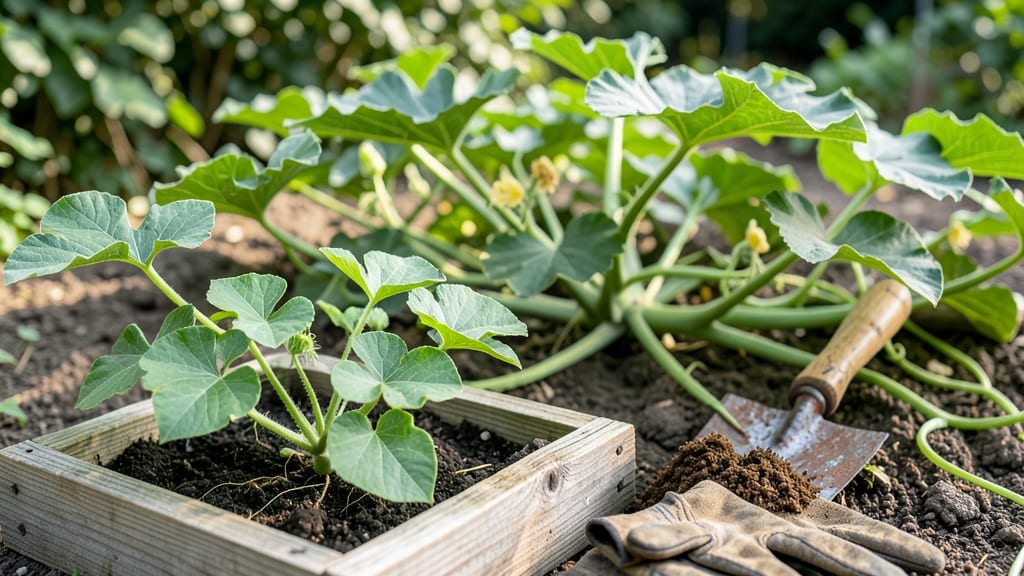
To plant watermelon in SC, aim for mid-April to early June when soil temperatures hit 70°F and frost risks fade—this 75-day window is your best shot at sweet, vine-ripened 🍉 harvests.
Timing is everything when growing watermelons in South Carolina’s humid climate—plant too early and frost may strike, too late and summer’s heat could scorch your crop before harvest.
Whether you’re in the Coastal plains, Piedmont, or Upstate, the key is matching your region’s last frost date with soil warmth—black plastic mulch can shave weeks off that wait.
Below, I’ll break down the exact frost-free dates by zone, heat-tolerant varieties for SC’s long summers, and how to stretch your harvest into September with simple tricks.
South Carolina watermelon planting calendar: frost-free dates by Zone
South Carolina’s diverse climate—from coastal breezes to inland heat—means your watermelon planting window depends heavily on your USDA zone and last frost date.
Whether you're in Coastal Zone 8a, Piedmont Zone 7b, or Upstate Zone 7b, timing is critical for avoiding early frost damage or summer heat stress that can stunt growth. Let’s break down the exact planting windows and soil temperature thresholds for each region.
For all three regions, watermelons thrive best when planted after the soil temperature consistently reaches 70°F (21°C). This ensures strong germination and rapid vine growth. Coastal areas warm up faster, while inland zones may need to wait until late April or early May.
Always check your local frost-free date—typically March 15 for Coastal and March 30 for Piedmont/Upstate—but don’t rush; cold soil can lead to root rot and poor establishment.
| Region | USDA Zone | Last Frost Date | Optimal Planting Window | Soil Temp Threshold | Harvest Window |
|---|---|---|---|---|---|
| Coastal (Charleston, Hilton Head) | 8a | March 15 | Mid-April to early May | 70°F (21°C) | July to early September |
| Piedmont (Columbia, Rock Hill) | 7b | March 30 | Late April to mid-May | 70°F (21°C) | Late July to mid-September |
| Upstate (Greenville, Spartanburg) | 7b | April 1 | Early to mid-May | 70°F (21°C) | Mid-August to October |
In Coastal SC (Zone 8a), you can start planting as early as mid-April, thanks to warmer soils and later frosts. This gives your watermelon vines a head start before summer’s peak heat. Use black plastic mulch to warm the soil faster and deter weeds.
For Piedmont gardeners (Zone 7b), wait until late April or early May—planting too soon risks soil-borne diseases from lingering cool temperatures.
Upstate growers in Zone 7b should aim for early to mid-May planting. The cooler nights here mean slower early growth, but the extended growing season allows for a later harvest—sometimes into October if you choose heat-tolerant varieties like Crimson Sweet.
Always opt for fast-maturing varieties (60-70 days) to avoid first frost cutting your season short.
Pro tip: Use a soil thermometer to confirm temperatures before planting. If your soil is still below 70°F, wait another week—slow germination leads to weak seedlings.
For Coastal areas, you can even try early March sowing under row covers if you’re growing in containers, but transplant outdoors only after the last frost date has passed.
Another key factor is heat tolerance. Watermelons in SC often face 90°F+ temperatures by June, which can stress plants.
To combat this, use drip irrigation to keep roots cool and mulch heavily to retain moisture. Sugar Baby and Charleston Gray varieties handle heat better than Seedless watermelons, which may need afternoon shade in peak summer.
For fall harvests, consider a late-summer planting in August. This works best in Coastal and Piedmont zones, where the growing season extends longer. Use fast-maturing varieties (like Sugar Baby) and plant in raised beds for better drainage.
Just be prepared to harvest quickly before the first frost in November.
Remember, succession planting can stretch your harvest. In Coastal SC, you might plant a second batch in early June for a late-summer crop, while Piedmont and Upstate gardeners should stick to one main planting due to shorter seasons.
Always monitor your plants for powdery mildew—a common issue in SC’s humid summers—and treat with neem oil if needed.
By aligning your planting dates with your local frost-free window and soil temperature, you’ll maximize your chances of a bountiful watermelon harvest. Keep an eye on weather forecasts and adjust your timeline if late frosts or unusually cold snaps occur.
With the right timing, you’ll be enjoying homegrown watermelons from July through September—or even October in cooler zones!
Heat-Zone success tips: how to extend SC’s watermelon growing season
South Carolina’s humid summers and intense heat can turn watermelon gardening into a high-stakes game—one wrong move and your vines wilt before producing fruit. The key? Heat management through smart planting strategies and variety selection.
I’ve grown watermelons in SC’s USDA Zones 7b-8a for years, and these tricks have saved my harvests from scorching temperatures and drought stress.
First, let’s tackle the biggest challenge: our state’s late-spring heat spikes that arrive before soil is fully warmed. Many gardeners rush planting after the last frost (usually mid-April in most regions), only to watch their seeds rot in 50°F soil.
Instead, I wait until soil temps hit 70°F—typically late May in the Upstate and early May near the coast—before planting. This small delay prevents seed rot and gives vines time to establish strong roots before summer’s fury.
🌱 When to Plant Watermelons in SC: Pros & Cons
✅ DO:
- Plant after soil reaches 70°F (use a soil thermometer)
- Use black plastic mulch to warm soil faster (adds 2-3°F)
- Choose heat-tolerant varieties like Crimson Sweet (90-day maturity)
- Trellis vines to save space and reduce heat stress
- Plant in late July for fall harvests (avoids peak August heat)
❌ DON’T:
- Plant before last frost (seeds rot in cold soil)
- Skip mulching (bare soil loses moisture fast)
- Choose Sugar Baby (less heat-tolerant than Crimson Sweet)
- Overcrowd plants (needs 3-6 ft spacing for airflow)
- Ignore soil pH (aim for 6.0-6.8 for best nutrient uptake)
One of my go-to tricks is using black plastic mulch, which raises soil temperature by 2-3°F and suppresses weeds. I lay it down 2 weeks before planting to give the soil a head start.
For drought-prone areas, I pair it with drip irrigation to deliver water directly to roots. This combo has let me extend my growing season into late July plantings for fall harvests—something I never thought possible in SC’s heat!
Variety selection makes a huge difference in SC’s climate. Crimson Sweet is my top pick for its 90-day maturity and heat tolerance, while Sugar Baby (70 days) struggles in our 90°F+ afternoons.
For smaller gardens, I’ve had success with bush varieties like Sugar Bush, which take up less space without sacrificing yield. Pro tip: Start seeds indoors 3-4 weeks before your target outdoor date to give them a head start.
Don’t overlook trellising—it’s a game-changer for heat-stressed vines. By training watermelons to climb, you reduce soil contact, keeping roots cooler. I use heavy-duty trellis netting and stake it with concrete blocks to prevent toppling.
This method also makes harvesting easier and reduces fruit rot from ground contact. Just be sure to prune side vines to focus energy on fruit production.
For fall harvests, I plant a second crop in late July using fast-maturing varieties like Early Golden Cushion (75 days). The key is to choose heat-tolerant seeds and provide afternoon shade with shade cloth if temps hit 95°F+.
I’ve harvested sweet, ripe melons as late as mid-October using this method—proof that SC’s heat isn’t a dealbreaker, just a challenge to outsmart.
Remember, consistent moisture is critical. Watermelons need 1-2 gallons of water per plant every 2-3 days during peak heat, but deep watering in the morning prevents fungal diseases. I set up a soaker hose system to automate this, which has saved me countless hours of hand-watering.
With these heat-zone hacks, you’ll be enjoying homegrown watermelons from summer through fall—no matter how hot SC gets! 🌞🍉