
Plants
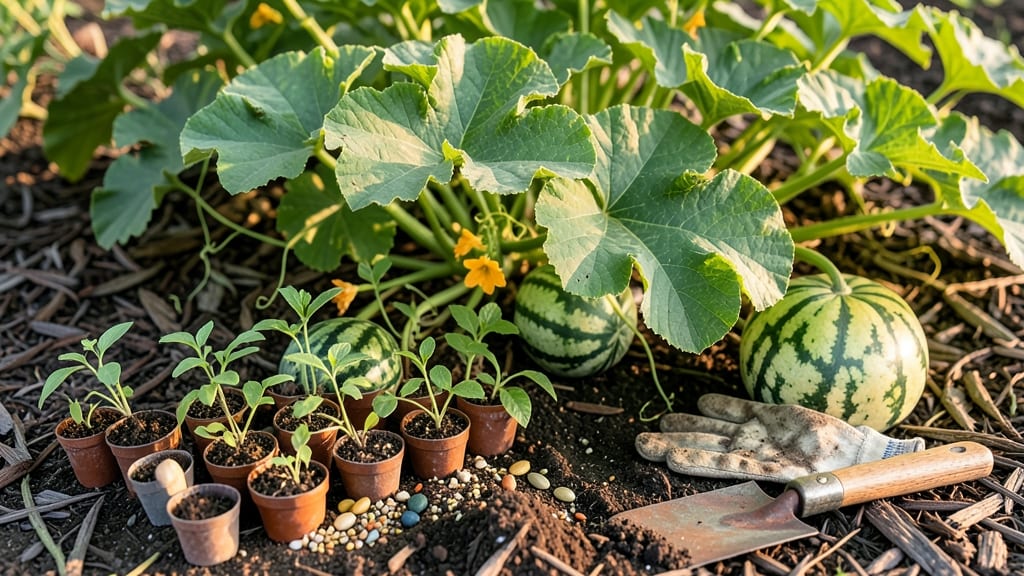
Planting watermelon in South Carolina after the last frost—typically mid-April to early June—sets you up for a fast, bountiful harvest before summer’s heat peaks.
South Carolina’s warm climate makes watermelon a perfect crop—but planting too early or late can ruin your harvest. Timing is everything to avoid frost damage and ensure juicy, vine-ripened fruit by summer’s end.
In USDA Zone 8a, soil temperatures must reach at least 70°F for seeds to germinate quickly. Waiting until late May in cooler microclimates (like the Upstate) prevents stunted growth, while coastal areas can start as early as April.
Below, I’ll walk you through the exact frost-free timeline for your region, soil prep tricks to speed up germination, and how to keep your 🍉 vines thriving through SC’s humidity and pests.
South Carolina watermelon planting timeline: frost-free dates by region
Watermelons thrive in South Carolina’s warm climate, but getting them in the ground at the right time is critical for a bountiful harvest. The last frost dates and soil temperature thresholds of 60°F+ for germination vary dramatically across the state’s three main regions—Upstate, Midlands, and Coastal.
Planting too early risks frost damage, while waiting too long can shorten your growing season and reduce fruit size.
For consistent results, I recommend using localized frost-free dates and monitoring soil warmth with a thermometer. Most watermelon varieties need 70-90 days to mature, so timing is everything to ensure ripe fruit by late summer.
Below is a breakdown tailored to each region’s microclimates, including adjustments for specific counties with unique frost patterns.
| Region | Last Frost Date | Optimal Planting Window | Soil Temp Threshold | Notes |
|---|---|---|---|---|
| Upstate (Greenville, Spartanburg, Anderson) | April 15–April 30 | Mid-April to early May | 65°F+ (soil) | Cooler nights; use black plastic mulch to warm soil faster. |
| Midlands (Columbia, Rock Hill, Florence) | March 20–April 10 | Early April to mid-May | 60°F+ (soil) | Moderate humidity; watch for early-season pests like cucumber beetles. |
| Coastal (Charleston, Myrtle Beach, Hilton Head) | February 20–March 15 | Late February to early April | 58°F+ (soil) | Warmer microclimates; extend season with shade cloth for late varieties. |
| Piedmont (Greer, Simpsonville) | April 1–April 15 | Late April to early May | 62°F+ (soil) | Higher elevation; plant heat-loving varieties like 'Sugar Baby'. |
| Lowcountry (Beaufort, Georgetown) | February 15–March 5 | Early March to late March | 55°F+ (soil) | Longer growing season; consider fall plantings for second harvest. |
In the Upstate, where frost lingers until late April, I recommend waiting until soil temperatures consistently reach 65°F before planting. Use black plastic mulch to accelerate soil warming and protect young seedlings from lingering cold snaps.
Varieties like 'Crimson Sweet' or 'Sugar Baby' mature quickly and are ideal for this region’s shorter growing season.
For the Midlands, where frost typically retreats by early April, you can start planting as early as late March if you’re using row covers. However, I’ve found that waiting until mid-April ensures the soil stays warm enough for fast germination.
This region’s moderate humidity also means you’ll need to monitor for powdery mildew—a common issue in SC summers.
Coastal gardeners enjoy the longest growing season, with frost-free dates as early as mid-February in some areas. Here, you can plant early varieties like 'Early Red Freedom' in late February for a June harvest.
However, be cautious of saltwater spray in coastal counties, which can damage young plants. Raised beds with well-draining soil are ideal for these areas.
If you’re in a transition zone like the Piedmont region, where elevations vary, I suggest planting in early May to avoid late frosts. Use heat-tolerant varieties and consider extending your season with a cold frame for early starts.
For Lowcountry gardens, you can even experiment with fall plantings in August for a late-season harvest before the first frost.
Regardless of your region, always test your soil temperature with a thermometer before planting. Watermelon seeds won’t germinate below 60°F, and slow starts can lead to stunted vines and poor fruit production.
If your soil is still cool, try pre-warming it with clear plastic sheeting laid down a week before planting.
Pro tip: Use seedling trays indoors under grow lights 4–6 weeks before your region’s last frost date. This gives you a head start and allows you to transplant hardened-off seedlings as soon as the soil is warm enough.
Just be sure to bury the stems deep—watermelon vines root along their length, creating a stronger plant.
Finally, keep an eye on your local weather forecasts for unexpected cold snaps. Even in the warmest regions, a late frost can devastate young plants. If frost is predicted, cover seedlings with frost blankets or row covers until temperatures rise.
With the right timing and a little preparation, you’ll be enjoying homegrown watermelons by midsummer!
How to time watermelon seeds for maximum yield: germination tips for SC’s humidity
South Carolina’s humid summers can be a double-edged sword for watermelon growers. While the warmth speeds up growth, excessive moisture also increases risks like damping-off and slow germination. To maximize your yield, timing your seeds perfectly—and preparing them properly—is key.
I’ve found that starting seeds indoors 4-6 weeks before the last frost date gives them a head start against SC’s 90°F+ heat waves.
First, test your soil’s pH level—watermelons thrive in 6.0-6.8 pH. If your soil is too acidic or alkaline, amend it with lime or sulfur 2-3 weeks before planting.
In my garden, I mix in compost and aged manure to improve drainage, which is critical in SC’s heavy clay soils. Poor drainage leads to root rot, and that’s the last thing you want when your vines are just getting established.
🌱 Numbered Highlights: SC Watermelon Germination Timeline
- 4-6 Weeks Before Last Frost: Start seeds indoors in biodegradable pots with seed-starting mix. Keep soil 70-80°F using a heat mat.
- 2 Weeks Before Transplant: Hardening off seedlings by placing them outside for 2-3 hours daily, gradually increasing time.
- After Last Frost (Soil ≥70°F): Transplant seedlings 1-2 inches deep, spacing them 3-6 feet apart for vine growth.
- Post-Transplant Week 1: Use mulch (straw or black plastic) to retain moisture and prevent soil-borne diseases.
- Flowering Stage (6-8 Weeks Later): Reduce watering slightly to encourage pollination—watermelons need dry soil to set fruit.
When it’s time to transplant, I always wait until the soil temperature hits at least 70°F. You can check this with a soil thermometer—cold soil slows germination and weakens seedlings. In SC’s Zone 8a, that usually means late April to early May for most regions.
If you’re in the Upstate, aim for early May, while Coastal SC gardeners can plant as early as mid-April.
One of my biggest lessons? Never rush hardening off seedlings. Sudden exposure to SC’s humid heat can shock them, leading to stunted growth or even death. I start by placing seedlings in partial shade for a few hours, then gradually move them to full sun over 7-10 days.
This mimics the natural transition and builds their resilience. Pro tip: Use a cloche or shade cloth on particularly hot days to protect tender leaves.
After transplanting, focus on consistent moisture without overwatering. Watermelons need 1-2 inches of water per week, but soggy soil invites fungal infections. I water deeply in the morning to let excess moisture evaporate during the day.
In SC’s humidity, this reduces the risk of powdery mildew, a common enemy of watermelon vines. A drip irrigation system works wonders here—it delivers water directly to the roots while keeping foliage dry.
Finally, watch for signs of damping-off, a fungal disease that causes seedlings to collapse at the soil line. If you notice this, immediately remove affected plants and treat the soil with a copper fungicide.
To prevent it, I always sterilize my pots and tools with a 10% bleach solution before starting new seeds. With these steps, you’ll give your watermelons the best possible start—and a head start on SC’s summer heat.