
Plants
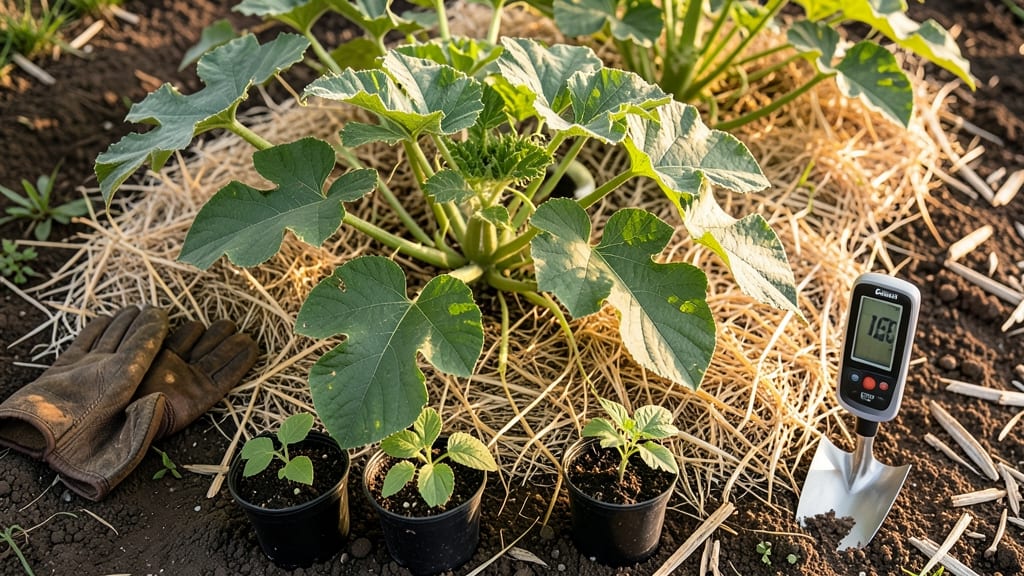
Planting watermelon in Utah after the soil hits 70°F and all frost risk has passed is the fastest way to jumpstart your harvest—before the heat of summer sets in.
I’ve seen gardeners rush to plant in late March only to watch their seeds rot in cold soil, or wait until June and miss the sweet spot for ripe fruit by September.
The key isn’t just the calendar date—it’s the soil temperature, which can vary by 10°F or more between Salt Lake City and St. George.
In this guide, I’ll break down the exact soil temp triggers for germination, the best planting windows for Utah’s microclimates, and pro tips to speed up growth in our dry heat.
You’ll learn how to check soil temps without fancy tools and when to adjust for high-elevation areas like Park City.
By the end, you’ll know exactly when to plant for a harvest that beats the grocery store—and avoids the heartbreak of wasted seeds.
Utah’s ideal soil temperature for planting watermelon seeds (and how to check it)
Watermelon seeds need consistent warmth to germinate properly, and Utah’s variable spring temperatures can make timing tricky. The magic number for optimal germination is 70°F (21°C)—any lower, and your seeds may rot or take forever to sprout.
In Utah’s USDA Zones 5b-7b, this typically means waiting until mid-April to late May, depending on your microclimate.
Cooler mornings and late spring frosts (especially in northern Utah) can delay planting. Even if daytime temps feel warm, soil stays cold until sunlight consistently warms it.
That’s why checking soil—not air—temperature is critical. A soil thermometer (just $10 at garden centers) gives you the real story, because air temps can be misleading.
Here’s the germination timeline based on soil temps: 60°F (15°C) = seeds may sprout in 2-3 weeks (slow, risky) 65°F (18°C) = 7-10 days (still sluggish) 70°F (21°C) = 5-7 days (ideal) 75°F+ (24°C+) = 3-5 days (fastest, but watch for drought stress)
To check your soil temperature, insert the thermometer 1-2 inches deep (where seeds will be) and leave it for 30 minutes to get an accurate reading. Early mornings (before 9 AM) are best because Utah’s dry heat can skew afternoon readings.
If your soil is below 65°F, consider using black plastic mulch or a cold frame to warm it faster—this is especially helpful in high-elevation areas like Park City or Ogden.
Once your soil hits 70°F consistently, it’s time to plant! But don’t rush—wait until all frost danger has passed (check Utah State University’s frost maps for your area).
In southern Utah (St. George, Cedar City), you might plant as early as late March, while northern Utah (Salt Lake City, Logan) often waits until mid-May. The key is patience: rushing seeds into cold soil leads to rot or stunted growth.
Pro tip: If you’re starting seeds indoors (4-6 weeks before last frost), use a heat mat to maintain 75-80°F soil temps. Once seedlings have 2-3 true leaves, harden them off before transplanting to the garden.
Hardening off means gradually exposing them to outdoor conditions over 7-10 days to avoid shock.
Watch for sprouting signs like tiny green hooks breaking the soil surface. In perfect conditions (70°F soil, consistent moisture), you’ll see sprouts in 5-7 days. If germination takes longer than 10 days, your soil may be too cold, or seeds could be old or damaged.
Always test a few seeds in a paper towel first to check viability.
Remember, soil temperature > air temperature when planting watermelons. Utah’s desert climate means soil warms up faster than you’d expect, but morning frosts can still linger. Play it safe by monitoring both temps and adjusting your planting date accordingly.
With the right timing, you’ll be slicing into homegrown watermelons by July—worth the wait! 🍉
Best planting dates for Utah’s microclimates: northern vs. southern regions
Utah’s dramatic elevation changes create distinct planting zones—what works in St. George’s desert heat fails in Salt Lake City’s cooler valleys. The average last frost date shifts by nearly two months between these regions, making timing everything for your watermelon harvest.
Northern Utah gardeners should wait until mid-May for safety, while southern growers can start as early as late March in sheltered microclimates.
Elevation plays a critical role: every 1,000 feet gained delays the growing season by about 3-5 days. That’s why Ogden’s 4,300-foot elevation has a last frost date of May 15, while St. George’s 2,800 feet sees its final frost by March 1.
These differences mean direct-sown seeds in northern Utah must wait until soil reaches 75°F+, while southern gardeners can plant when soil hits 70°F.
For northern Utah gardeners, the 10-year average last frost date in Salt Lake City is May 10, but mountain valleys like Park City can see frost until June 1. This means transplanted seedlings should wait until after Memorial Day in these areas.
Southern Utah’s St. George sees its last frost by March 1, allowing direct sowing by March 15 if soil temps cooperate.
Pro tip: Use Utah State University’s frost calculator (available through their extension office) to input your exact elevation and nearby weather station data. I’ve found this tool adds 5-7 extra days of accuracy compared to general zone maps.
For example, a 3,500-foot elevation in Heber Valley might have a last frost date of May 22, while the USDA zone 6 map suggests May 15.
Remember that high desert areas like Moab have warm days but cold nights, creating a unique microclimate challenge. Here, I recommend using cold frames or row covers to protect young plants until daytime temps consistently stay above 75°F.
In contrast, Wasatch Front urban gardens benefit from heat island effects, often allowing planting 1-2 weeks earlier than rural areas at the same elevation.
No matter your location, always monitor soil temperature for at least 3 consecutive days before planting. Watermelon seeds won’t germinate below 70°F, and cooler soils can lead to rot or slow, uneven sprouting. I’ve lost three watermelon batches by planting too early—don’t make my mistake! 🍉