
Plants
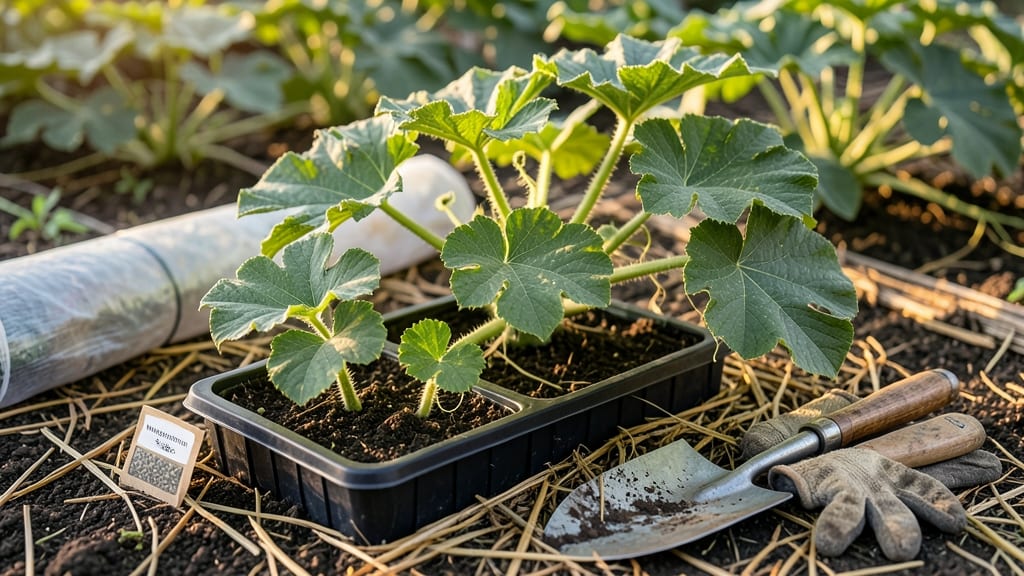
Plant watermelon in Virginia after your last frost date and when soil temperatures hit at least 70°F—typically mid-April to early June—but timing can make or break your harvest.
Virginia’s warm summers and diverse climate zones make it a prime spot for growing juicy, homegrown watermelons 🍉, but planting too early or late can ruin your harvest. Timing is everything, especially with Virginia’s varying last frost dates and soil temperature requirements.
If you rush it, seedlings will wilt in a cold snap. Wait too long, and the heat arrives before the fruit sets, leaving you with six-foot vines and nothing to pick.
Below, I’ll break down the best windows by region, soil prep tips, and how to choose the right varieties for Virginia’s 7a-8a zones.
You’ll learn how to read your local frost dates, when to start seeds indoors (or not), and which watermelon types thrive in Virginia’s heat—plus a few shortcuts to extend your growing season.
Virginia’s last frost dates & best planting windows by region
Virginia’s diverse climate creates four distinct frost zones, each with unique last frost dates that determine your watermelon planting window. Whether you're growing from seeds or transplants, knowing these dates helps you avoid frost damage and maximize your harvest.
The Southwest and Piedmont regions typically have earlier last frosts than the Tidewater coast or Shenandoah Valley.
For watermelon seeds, you’ll want to wait until the soil reaches at least 70°F (21°C), which usually aligns with mid-April to early May across most regions. Transplants, however, can handle slightly cooler soil and can be planted 2-3 weeks earlier than seeds.
Early varieties like ‘Sugar Baby’ mature faster, while late varieties like ‘Charleston Gray’ need the full growing season.
Here’s a breakdown of last frost dates and ideal planting windows for each Virginia region, including adjustments for early vs. late varieties:
If you’re growing early varieties, aim to plant seeds or transplants as soon as the soil warms to 70°F. These varieties mature faster, giving you a July harvest before summer heat peaks.
For late varieties, hold off until early June to ensure they have enough time to ripen before fall frosts arrive in October or November.
In the Shenandoah Valley, where frosts linger later, I recommend starting seeds indoors in late March and transplanting outdoors in early May. This gives your plants a head start before the last frost typically hits around May 10.
For the Tidewater region, you can plant seeds as early as late April because the coastal climate warms faster.
For transplants, purchase healthy starts from a local nursery once nighttime temperatures consistently stay above 55°F (13°C). Transplants can tolerate slightly cooler soil, so you can plant them 2-3 weeks earlier than seeds.
Just be sure to harden off your transplants for a week before setting them in the ground to reduce shock.
One trick I use is to mulch heavily after planting to keep the soil warm and retain moisture. Black plastic mulch works especially well in Virginia’s hot summers, as it raises soil temperatures by 5-10°F and suppresses weeds.
This is particularly helpful if you’re planting in May, when soil temperatures can still fluctuate.
Keep an eye on your local frost forecast in late spring, as late frosts can still occur. If frost is predicted, cover young plants with frost blankets or row covers. Watermelons are sensitive to cold, and even a light frost can stunt growth or kill young seedlings.
Soil temperature & heat requirements for watermelon growth in VA
Watermelons thrive in warm soil and air temperatures, making soil temperature the most critical factor for successful germination and growth in Virginia. Unlike cool-season crops, watermelons need consistent heat to develop properly, with ideal conditions starting at 70°F+ soil temperatures.
In Virginia’s USDA zones 7a-8a, this typically means waiting until late spring or early summer, depending on your region.
For germination, watermelon seeds require soil temperatures of at least 50°F (10°C), but they’ll struggle to sprout reliably below 60°F (15°C). However, once sprouted, young plants need 70°F+ soil temperatures to grow vigorously and avoid stunted development.
If you plant too early, your seedlings may linger or develop weak roots, setting the stage for poor yields or disease susceptibility.
⚠️ callout-warning ⚠️
Planting watermelon seeds in soil below 60°F (15°C) risks poor germination and weak seedlings. Even if seeds sprout, they’ll grow slowly and may rot if nighttime temps dip below 55°F (13°C). Use a soil thermometer to confirm readiness—wait until temps hit 70°F+ for optimal growth.
💡 Pro Tip: In cooler Virginia regions (e.g., Shenandoah Valley), start seeds indoors 2-3 weeks before the last frost, then transplant after soil warms.
To prepare your soil for watermelons, focus on warmth retention and fertility. Work in compost or aged manure a few weeks before planting to boost organic matter, which helps soil warm faster.
Avoid fresh manure, as it can overheat the soil and damage roots. Additionally, choose a south-facing planting spot, as it receives the most sunlight and warms up quicker than shaded areas.
If you’re eager to extend your growing season, consider using row covers or black plastic mulch to raise soil temperatures by 5-10°F. Black plastic, in particular, absorbs heat and speeds up warming—ideal for Virginia’s cooler spring nights.
Lay the plastic down 1-2 weeks before planting to let it warm the soil, then cut small holes for seedlings or seeds. Remove it once plants are established to prevent overheating.
Cold snaps can derail young watermelon plants, especially if they’re still small. If temperatures drop unexpectedly, protect seedlings with floating row covers or move potted plants to a sheltered location. Avoid using plastic directly on plants, as it can trap moisture and cause fungal diseases.
Instead, opt for breathable covers that allow light and air to pass through while blocking wind and chill.
Once your watermelons are growing, maintain soil temperatures above 70°F (21°C) for best results. If your region experiences hot summers (like the Piedmont or Tidewater areas), ensure plants have adequate water to prevent soil from drying out and cooling too quickly.
Mulch around the base of plants with straw or grass clippings to retain moisture and regulate temperature fluctuations.