
Plants
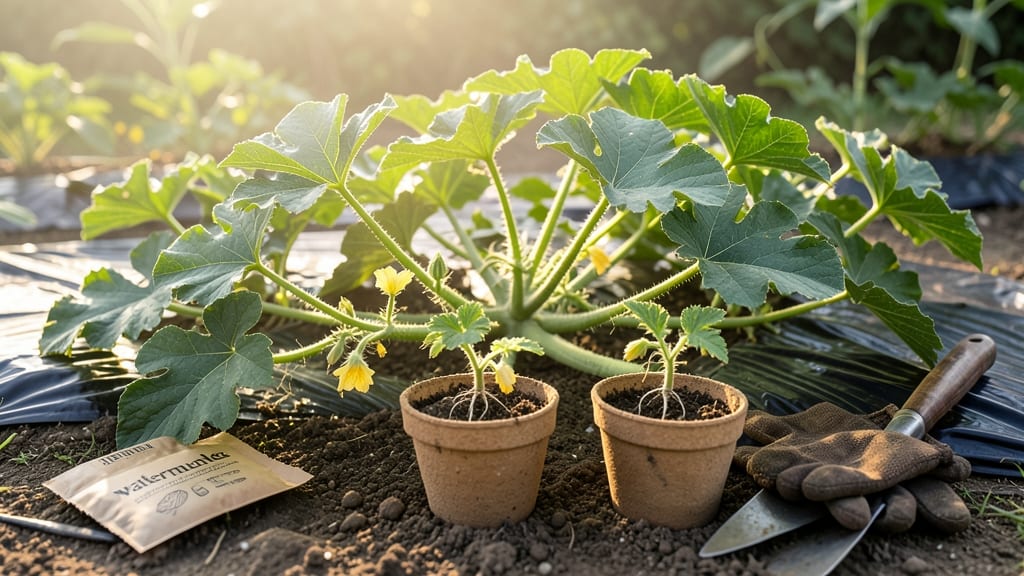
Plant watermelon in Zone 6 after the last frost when soil reaches 70°F — typically mid-to-late May for most of the region.
Zone 6 gardeners know timing is everything—plant too early, and frost will wipe out your crop; too late, and you’ll miss the sweet harvest of summer. Mastering the perfect frost-free window can mean the difference between tiny, bitter melons and juicy, vine-ripened giants.
Most 🍉 varieties need 70-90 days of warm weather, so waiting until late May ensures your plants have enough heat to thrive. But don’t wait too long—early June could cut your season short if you’re growing slower-maturing heirlooms.
Below, I’ll break down the exact soil temps to watch for, how to adjust for regional micro-climates, and the best varieties for Zone 6’s shorter growing season—so you can plan for a harvest of perfect, sweet melons.
Optimal planting dates for watermelon in Zone 6: soil temps & frost risks
Watermelons thrive in warm soil and long summer days, but Zone 6's unpredictable frost dates make timing tricky. The key is waiting until both air and soil temperatures consistently stay above 70°F (21°C)—any earlier, and your seedlings will languish or die.
Most Zone 6 gardeners should aim for mid-to-late May for direct sowing, but transplants can go in slightly earlier if soil warms faster in your microclimate.
In Appalachian regions, cooler nights and slower soil warming mean you might delay planting until late May or early June. Meanwhile, gardeners in the Midwest or Great Plains can often start seeds in early May if they use black plastic mulch to warm the soil.
Always check your last frost date (typically mid-May in Zone 6) and add 2-4 weeks as a safety buffer.
Soil temperature is more critical than air temperature for watermelons. Use a soil thermometer to confirm readings—seeds won’t sprout below 70°F (21°C), and transplants struggle below 65°F (18°C). If your soil is still cold, consider transplants (purchased from a nursery) instead of direct sowing, as they’ll establish faster once temperatures rise.
Here’s a quick reference for Zone 6 watermelon planting based on your region and method:
If you’re in a cooler microclimate within Zone 6, like higher elevations or northern edges, prioritize fast-maturing varieties (60–70 days to harvest) and use black plastic mulch to warm the soil by 5–10°F.
Lay the mulch 1–2 weeks before planting to maximize heat retention. For warmer microclimates, like urban heat islands, you can start seeds as early as early May if nights stay above 55°F (13°C).
Watch for false springs—those deceptive warm spells in April that trick you into planting early. Watermelons are extremely frost-sensitive: even a 28°F (-2°C) dip can kill seedlings or young vines.
Use frost cloth or a mini greenhouse for early transplants, but remove it once daytime highs consistently exceed 75°F (24°C).
Pro tip: Test your soil temperature daily for a week before planting. Bury your thermometer 2 inches deep (where seeds will germinate) and take readings in the late afternoon.
If temps dip below 70°F (21°C) at night, delay planting. Transplants are your best bet in cooler zones—they’ll bolt ahead of direct-sown seeds once soil warms.
For container gardening in Zone 6, start seeds 4–6 weeks before your last frost date indoors or in a greenhouse. Use 5-gallon pots minimum and move containers to a sunny spot only after soil temperatures stabilize above 70°F (21°C).
Containers heat up faster than garden beds, so monitor soil temps closely to avoid overheating.
Remember: Watermelons need heat to set fruit. If you plant too late, vines may grow but produce small, seedy, or bitter melons. Aim to have 90–120 frost-free days left after planting—this gives your watermelons enough time to mature before Zone 6’s first frost (mid-October).
Adjust your planting date 2 weeks earlier if you’re using row covers or black plastic mulch to extend the season.
Finally, choose your variety wisely. In Zone 6, stick to short-season types like ‘Sugar Baby’ (70 days) or ‘Early Moon and Star’ (65 days) rather than long-vining heirlooms.
These varieties mature faster and are less likely to be caught off guard by an early frost. Save seed-saving for next year—this year, focus on timing!
How to extend the watermelon season in Zone 6: cold protection & succession planting
Zone 6 gardeners face a short growing season for watermelons, but with the right strategies, you can push harvests well into late summer. The key is combining cold protection with succession planting to maximize your sweet melon yields.
Even if your last frost date is mid-May, these techniques let you enjoy ripe watermelons until early October.
Watermelons thrive in warm soil (70°F+), but Zone 6’s cooler springs and early autumns can stall growth. By using row covers, black plastic mulch, and cold frames, you create microclimates that extend the season.
Pair these with staggered plantings—every 2-3 weeks—to ensure a continuous harvest instead of a single, rushed one.
When to Plant Watermelon in Zone 6: Pros & Cons
- Pros: Stronger roots, no transplant shock
- Cons: Slower early growth, frost risk
- Pros: Faster maturity, avoids early frost
- Cons: Higher cost, risk of shock
- Pros: Extended harvest, reduced bolting
- Cons: Space management needed
Start by warming your soil with black plastic mulch 2-3 weeks before planting. This raises soil temps by 10-15°F, helping seeds germinate faster. For transplants, use row covers until soil reaches 70°F—this buys you 2-3 extra weeks of growth before removing them.
Just be sure to secure covers tightly to avoid heat stress on plants.
Succession planting is your secret weapon. Plant a new batch every 2-3 weeks from late May through early July. Choose fast-maturing varieties (60-70 days) for the earliest plantings and slightly longer-season types (70-80 days) for later ones.
This ensures you’re always harvesting ripe melons while avoiding the bolting that happens when days get too short.
Watch for heat stress signs like yellowing leaves or curled vines—these mean it’s time to provide afternoon shade with shade cloth. Overhead watering can also cool plants during 90°F+ days. Mulch heavily with straw to retain moisture and prevent soil-borne diseases, which thrive in Zone 6’s humid summers.
For a late-season boost, use cold frames or low tunnels over transplants in early August. These can delay frost damage by 3-4 weeks, letting you harvest into September.
Just remove covers during the day to prevent overheating. Pair this with drip irrigation to keep soil consistently moist without wetting foliage.
Remember, watermelons need full sun (6+ hours daily), so choose your warmest, sunniest spots. If your garden gets afternoon shade, prioritize east-west rows to maximize sunlight exposure. With these strategies, you’ll turn Zone 6’s short season into a watermelon bonanza from July through October. 🍉