
Plants
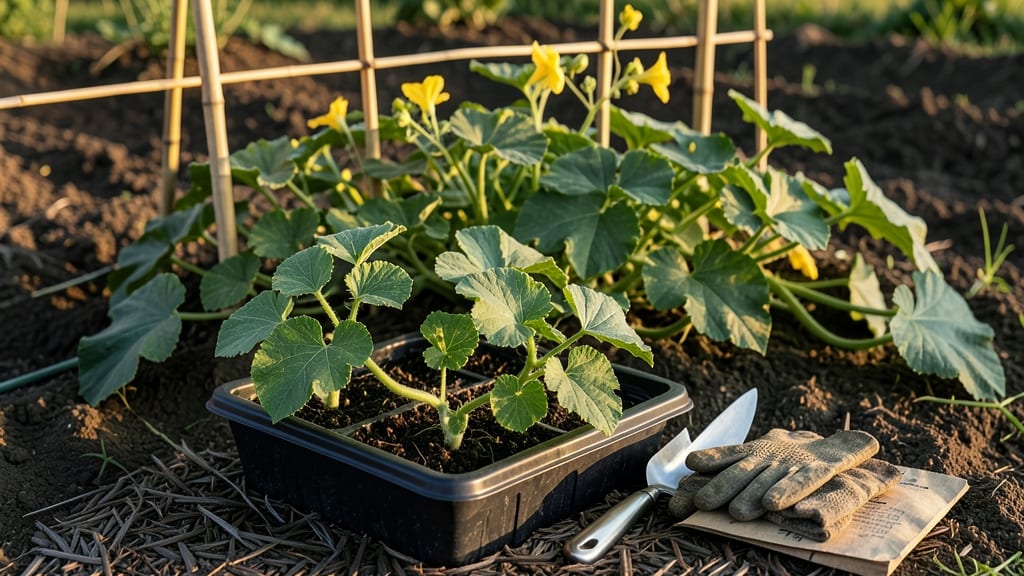
Planting watermelon in Zone 7b after the last frost and when soil hits 70°F is the fastest way to jumpstart your harvest.
Here’s the catch: rush it, and your seeds sit in cold soil for weeks, waiting to sprout. Wait too long, and summer heat arrives before the vines even set fruit. I’ve lost entire crops to both mistakes, and I’ll show you how to nail the timing every time.
Zone 7b’s mid-April to early June window is tight, but with soil temperature tricks—like black plastic mulch or row covers—you can shave days off germination and stretch the season for late varieties. Think of it as giving your 🍉 a head start before the real heat kicks in.
Below, I break down the exact frost dates, soil temp thresholds, and variety choices that work best in 7b, plus three pro tips to outpace the competition in your garden.
Optimal planting timeline for watermelon in Zone 7b: frost dates & soil temperature guide
Watermelons in Zone 7b demand precision timing—plant too early, and frost will kill tender seedlings; too late, and your harvest shrinks. The last frost date in most of Zone 7b falls around April 15, but soil temperature matters more than calendar dates.
Your goal? Wait until the ground hits 70-90°F for consistent germination.
For direct-seeded watermelons, aim for mid-April to early June once nighttime temperatures stay above 55°F. Transplants can go in slightly earlier (late March to mid-April), but they still need warm soil to thrive.
Zone 7b’s 180 frost-free days give you two planting windows: spring (for early varieties) and summer (for late-season melons).
🌱 Pro Tip: Use a soil thermometer to confirm readiness—watermelon seeds won’t sprout below 70°F, even if frost danger has passed. Patience here prevents wasted seed packets and stunted vines.
Zone 7b’s spring planting window closes fast—if you miss it, don’t despair. A summer replanting in late June to early July works beautifully for heat-tolerant varieties like 'Sugar Baby' or 'Charleston Gray'.
Just ensure soil stays above 75°F for germination. I’ve had success with this method in hotter microclimates, even extending harvests into September.
For early varieties (60–70 days to maturity), like 'Black Diamond', start seeds indoors 4–6 weeks before your last frost (around late February). Transplant seedlings outdoors only after soil warms to 70°F.
This head start gives vines time to establish before summer heat peaks. 🌡️ Warning: Cold soil slows growth—don’t rush it!
Adjust your timeline based on microclimates. South-facing beds warm faster than north exposures. In low-lying areas, frost lingers longer—wait until May 1 to plant seeds there. Elevated beds or black plastic mulch can shave 1–2 weeks off your waiting game by trapping heat.
I’ve seen soil under mulch hit 80°F by early April in full sun.
If your first frost arrives early (before November 15), prioritize fast-maturing varieties or use row covers to extend the season. Watermelons need 90–120 days to ripen, so count backward from your average frost date.
For example, a 90-day variety planted on June 1 should harvest by September 1, just before cold snaps hit.
Don’t overlook soil prep—watermelons thrive in well-draining, fertile soil with a pH of 6.0–6.8. Amend heavy clay with compost to improve warmth retention.
In my garden, I mix in aged manure and sand to create the perfect seedbed. 💡 Tip: Warm soil germinates seeds faster—cover beds with black plastic 1–2 weeks before planting to raise temperatures.
Finally, track your progress. Use a garden journal to note when soil hits 70°F each year—Zone 7b’s climate shifts with La Niña/El Niño cycles. In dry years, soil warms quicker; in wet springs, it stays cooler longer. By year three, you’ll predict planting dates like a pro.
Soil temperature tricks to speed up watermelon germination in Zone 7b
Watermelon seeds need consistent soil temperatures of 70-90°F (21-32°C) to germinate properly. In Zone 7b, where spring can be unpredictable, slow soil warming often delays germination. The good news? With a few simple tricks, you can create the perfect warmth boost for your seeds to sprout faster and stronger.
Cold soil is the #1 reason watermelon seeds fail to germinate. Even if air temperatures feel warm, the ground may still be too cool. Using heat-absorbing materials like black plastic mulch or row covers can raise soil temps by 10-15°F (5-8°C) in just days.
This isn't just about speed—it's about giving your seedlings the best possible start to outpace pests and diseases.
- 🔥 Black Plastic Mulch: Spread 1-2 weeks before planting to raise soil temps by 10-15°F. Poke holes for seeds or transplants.
- ☀️ Row Covers: Use floating row covers during the day to trap heat. Remove at night to prevent overheating.
- 🔌 Seedling Heat Mats: Place under seed trays or flats for 24-48 hours before transplanting to jumpstart germination.
- 🌿 Companion Planting: Surround watermelons with corn or radishes, which warm the soil faster with their dense foliage.
- 💧 Warm Water Soak: Soak seeds in 80°F (27°C) water for 1 hour before planting to mimic ideal soil conditions.
If your seeds still aren't sprouting after 10-14 days, check soil moisture—dry soil can mimic cold conditions. Keep the soil consistently moist (not soggy) and consider testing your soil's actual temperature with a soil thermometer.
Aim for 75°F (24°C) or warmer at a 2-inch depth for best results.
For late varieties or extended growing seasons, try double-row planting. Plant early seeds in mid-April with row covers, then add a second batch in early June.
This ensures a staggered harvest and maximizes your 180 frost-free days in Zone 7b. Just be sure to remove row covers once vines start running to prevent heat stress.
Pro tip: Avoid planting watermelon seeds directly into cold soil, even if you're eager. Start seeds indoors under grow lights 3-4 weeks before your target outdoor date. Transplant seedlings when soil temps hit 70°F (21°C)—they'll adapt faster than seeds and give you a 2-week head start on the season.
With these tricks, you'll transform your Zone 7b garden into a watermelon germination powerhouse. The key is patience and preparation—just like a pro gardener would do! 🌱