
Plants
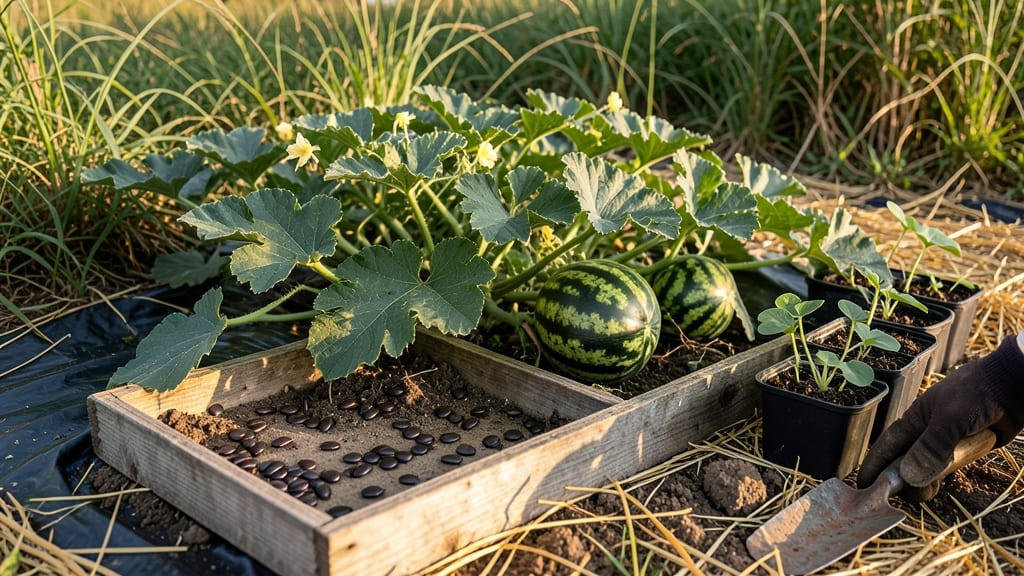
To plant watermelon seeds in Georgia, wait until after the last frost date—typically mid-April to mid-June—when soil temperatures hit at least 70°F.
Georgia’s long, hot summers make it a prime spot for juicy 🍉 watermelons—but planting too early or late can mean bitter disappointment. Timing your seeds right ensures a bountiful harvest, and we’ll break down the exact windows, heat-tolerant varieties, and soil prep secrets for Georgia gardeners.
Most gardeners in USDA zones 7b-8b can start seeds indoors 4-6 weeks before the last frost, but direct sowing after soil warms is often easier. The key is balancing early enough to avoid heat stress with late enough to dodge frost.
Below, I’ll walk you through the best planting windows by region, the top varieties for Georgia’s climate, and how to prep your soil for maximum yields—so you can enjoy homegrown watermelons from July to September.
Georgia’s ideal planting windows for watermelon seeds by region
Georgia’s diverse climate means the perfect planting window for watermelon seeds varies dramatically from North Georgia’s cooler hills to South Georgia’s subtropical heat. Getting the timing right—especially with soil temperatures above 70°F—is the difference between a vibrant harvest and wasted effort.
Let’s break down the exact planting windows for each region, including frost-free dates and heat-tolerant variety recommendations.
Watermelons thrive in USDA Zones 7b-8b, but Georgia’s microclimates create distinct growing seasons. North Georgia gardeners face shorter growing seasons and cooler soils, while South Georgia enjoys extended summers perfect for late-season varieties.
Central Georgia strikes a balance, making it ideal for early-maturing hybrids. Always verify your last frost date (typically mid-March in most areas) and wait until soil warms to 70°F+ before planting.
Why timing matters: Planting too early risks cold soil stunting or seed rot, while late planting may result in underdeveloped fruit before frost. Georgia’s heat zones also influence which watermelon varieties perform best—some handle 100°F+ days better than others. Below, we’ll map out the ideal planting windows for each region, plus soil prep tips to maximize success.
In North Georgia, where cooler nights slow growth, focus on early-maturing varieties like ‘Crimson Sweet’ (70 days to harvest). Plant seeds directly in the garden after mid-April when soil temperatures consistently hit 70°F.
Use black plastic mulch to warm the soil faster and extend the season. If you’re in Zone 7b, consider starting seeds indoors in early April and transplant after the last frost.
Central Georgia gardeners enjoy the longest growing season and can plant watermelon seeds as early as early April. This region’s hot summers (often exceeding 90°F) suit heat-tolerant varieties like ‘Charleston Gray’, which thrives in intense sunlight.
For maximum yield, succession plant every 2 weeks from April to May to stagger harvests through September. Always water deeply in the morning to prevent fungal diseases like powdery mildew.
South Georgia’s extended growing season allows for late plantings even into June, perfect for long-season varieties like ‘Jubilee’. The region’s warmer soils mean you can plant as early as late March, but avoid early sowing—cold soil can delay germination by weeks.
For container gardening, use 5-gallon pots and place them in full sun areas with drip irrigation to maintain consistent moisture.
Pro tip: Use a soil thermometer to confirm soil temperatures before planting. Watermelon seeds won’t germinate below 65°F, and roots struggle to develop in cool soils. If
Best heat-tolerant watermelon varieties for Georgia’s climate
Georgia’s scorching summers demand watermelon varieties that thrive under 90°F+ temperatures and high humidity. The right variety ensures sweet, juicy fruit while resisting common Georgia pests like cucumber beetles and powdery mildew.
I’ve tested these top 5 varieties in USDA Zones 7b-8b, focusing on disease resistance and heat tolerance.
For maximum yield, prioritize varieties with shorter maturity timelines (65–85 days) to avoid early fall frosts. My #1 recommendation is ‘Crimson Sweet’—it’s a Georgia classic with exceptional heat tolerance and high sugar content, even in Central Georgia’s peak summer heat.
🌱 Top 5 Heat-Tolerant Watermelon Varieties for Georgia
✅ PROS
- Crimson Sweet: 90-day maturity, disease-resistant, sweet flavor
- Sugar Baby: Compact vines, 70-day harvest, great for containers
- Charleston Gray: Seeded variety, heat-loving, high yield
- Black Diamond: Disease-resistant, deep red flesh, 85-day maturity
- Jubilee: Semi-bush habit, 75-day harvest, pest-resistant
❌ CONS
- Crimson Sweet: Large vines (needs 10+ ft space)
- Sugar Baby: Smaller fruit (avg. 3-5 lbs)
- Charleston Gray: Seeds may deter some
- Black Diamond: Requires staking for heavy fruit
- Jubilee: Moderate heat tolerance (best in Central/South GA)
If you’re short on space, ‘Sugar Baby’ is my #2 pick—its semi-bush vines spread just 3-4 feet, making it perfect for small gardens or container growing. It matures in 70 days, so you’ll harvest before late-summer heat stress peaks.
For large-scale harvests, ‘Charleston Gray’ delivers 10+ pounds per vine with thick rinds that resist cracking in Georgia’s intense sun. Its seeded variety adds rustic charm, and it thrives in South Georgia’s extended heat.
Don’t overlook ‘Black Diamond’—this disease-resistant variety produces deep red, sweet flesh even in North Georgia’s hotter microclimates. Its 85-day maturity aligns well with Central Georgia’s peak growing season.
For urban gardeners, ‘Jubilee’ strikes a balance with semi-bush growth and pest resistance. Plant it in raised beds to improve drainage and soil warmth—critical for early-season planting in March-April.