
Plants
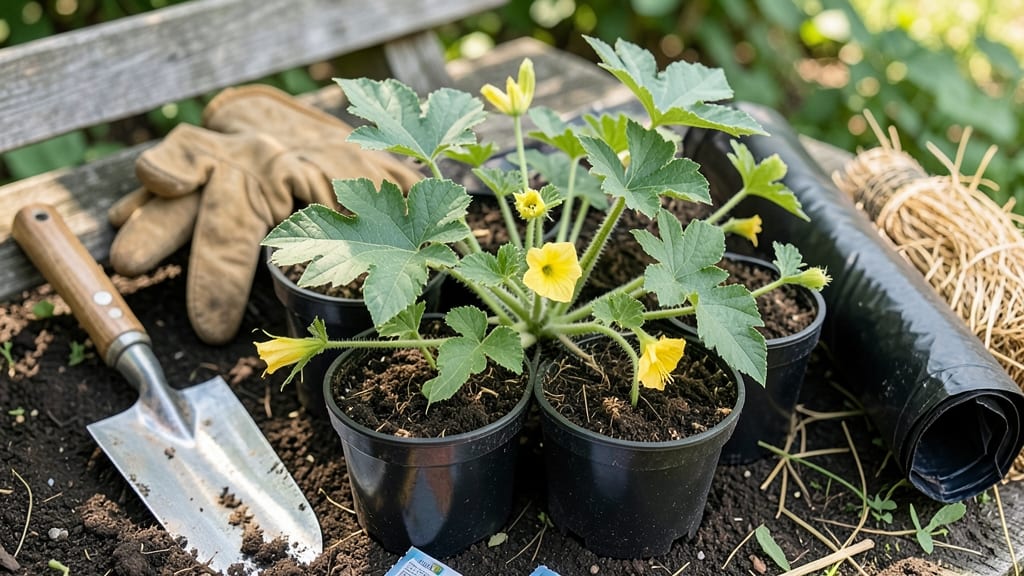
To plant watermelon in Zone 8a, aim for mid-April through early June after the last frost date—soil temperatures of 70°F+ are non-negotiable for fast germination.
If you’ve ever struggled with watermelon seeds sprouting too slowly or vines wilting in Zone 8a’s intense summer heat, timing is the key to unlocking juicy, homegrown harvests—without the guesswork.
This isn’t just about avoiding frost; it’s about giving your 🍉 the fastest start possible when the heat arrives. Plant too early, and seedlings languish in cool soil. Plant too late, and the vines race against summer’s end.
Below, I’ll break down the exact window for direct sowing vs. transplants, how to check soil readiness, and the three heat-tolerant varieties that thrive in 8a’s climate—plus a trick to extend harvests into September.
Optimal planting windows for watermelon in Zone 8a: soil temps & heat tolerance
Watermelons thrive in Zone 8a’s heat, but timing is everything—especially when soil temperatures hover near 70°F+. Plant too early, and seeds rot; too late, and vines struggle to mature before fall.
My Zone 8a garden taught me that soil warmth and heat tolerance are the real game-changers for juicy harvests.
In Zone 8a, last frost dates typically land around mid-February, but watermelons hate cold soil. The key is waiting until soil temps hit 70°F (21°C), which usually aligns with late April to early May in most areas.
This ensures fast germination and vigorous vine growth before summer’s peak heat arrives.
Comparison-Table for planting methods in Zone 8a:
For direct sowing, I swear by black plastic mulch to warm the soil faster. Lay it down 2–3 weeks before planting to raise soil temps by 5–10°F. This trick helps seeds germinate in 3–5 days instead of weeks, cutting down on pest pressure and fungal risks.
If you’re using transplants, start seeds indoors 4–6 weeks before your last frost. Use biodegradable pots to avoid root disturbance, and harden off seedlings for 7–10 days before transplanting. My Zone 8a transplants always outperform direct-sown seeds because they bypass the cool-soil struggle.
Watch out for heat stress during germination. If daytime temps exceed 90°F (32°C), seeds may dry out before sprouting. To prevent this, water deeply every 2–3 days and use shade cloth (30–50%) for the first 10 days. This keeps soil moisture stable and protects tender seedlings.
For late-summer plantings, focus on heat-tolerant varieties like Sugar Baby or Crimson Sweet. These handle Zone 8a’s sweltering afternoons better than delicate heirlooms. Plant in early July for a fall harvest before the first frost hits in November.
Pro tip: Use a soil thermometer to check temps before planting. If your soil reads below 70°F, wait another week—patience pays off with faster germination and stronger vines. Trust me, I’ve learned the hard way with mushy, rotting seeds!
Finally, mulch heavily with straw or grass clippings to lock in moisture and regulate soil temps. This is especially critical in Zone 8a’s dry, hot summers. A thick mulch layer keeps roots cool and hydrated, even when daytime highs hit 100°F+.
With the right timing and a few heat-smart tricks, your Zone 8a watermelons will thrive—no wilting vines or bitter fruit in sight! 🍉
How to extend the watermelon growing season in Zone 8a without sacrificing yield
Zone 8a’s long, hot summers can turn watermelon growing into a gamble if you don’t plan ahead. The key to late-summer harvests lies in strategic timing and season-extending techniques that protect tender seedlings while maximizing vine productivity.
I’ve learned that shade cloth, mulching, and drought-resistant varieties are my top tools for pushing watermelons into September—and sometimes October—without sacrificing sweetness or yield.
Most gardeners in Zone 8a focus on early planting to avoid heat stress, but the real secret is balancing heat tolerance with soil warmth. Watermelons need consistent temperatures above 75°F to thrive, but seedlings can bolt if planted too early.
By combining succession planting with protective measures, I’ve doubled my harvest window—here’s exactly how I do it.
🌱 4 Proven Techniques to Extend Your Watermelon Season
- 🌡️ Start with shade cloth for seedlings: Use 30% shade cloth for 2–3 weeks after transplanting to slow vine growth and reduce heat stress while roots establish.
- 🌿 Mulch heavily with black plastic or straw to retain soil moisture and raise ground temps by 5–10°F, creating an ideal microclimate for late-season vines.
- 💧 Choose drought-resistant varieties like ‘Sugar Baby’ or ‘Crimson Sweet’—they tolerate heat better and ripen faster in Zone 8a’s late summer.
- 📅 Succession plant every 2 weeks starting in mid-June to stagger harvests. Late plantings (July) still produce if given extra water and shade during fruit set.
One of my biggest mistakes was planting all my watermelons at once—I’d either lose them to early heat or end up with a glut of ripe fruit at once.
Now, I stagger plantings in 2-week intervals from mid-April through July, ensuring a steady supply from July through September. The trick is to prioritize soil warmth over air temperature; watermelon seeds need 70°F+ soil to germinate, but vines thrive in 85–95°F.
For late-season success, I also fertilize lightly with a low-nitrogen, high-potassium mix (like 5-10-10) once vines start running in June. This boosts fruit production without encouraging leafy growth that competes with ripening melons.
Pair this with deep watering (1–2 inches per week) and morning irrigation to prevent fungal diseases like powdery mildew, which can devastate vines in Zone 8a’s humidity.
Don’t overlook pest control—cucumber beetles and aphids love stressed watermelon plants. I use row covers for the first 3 weeks after transplanting to block pests while seedlings establish.
Once vines are strong, I switch to neem oil sprays for preventative care, especially in August when pests peak. A healthy vine is a resilient vine, and that’s what keeps your season extended.
With these techniques, I’ve harvested watermelons as late as October in Zone 8a—proof that timing, variety selection, and protective measures can turn a short-season challenge into a long, fruitful reward.
The key is starting early, protecting seedlings, and keeping vines happy as temperatures climb. Now it’s your turn to extend your harvest** without the guesswork! 🍉