
Plants
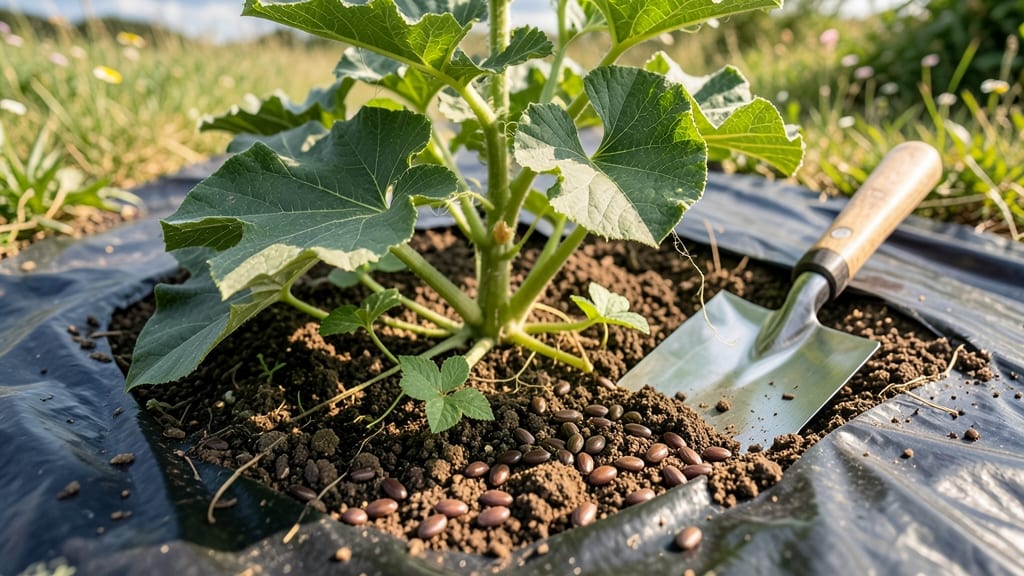
Planting watermelon seeds in Michigan after the last frost—typically mid-April to early June—sets the stage for a sweet summer harvest 🍉.
Michigan’s short growing season can make or break your watermelon harvest—but timing is everything. Plant too early, and frost will kill your vines; too late, and you’ll miss the sweet rewards. Here’s your precise planting schedule for Zone 5-6 gardens.
Watermelons need warm soil, ideally 70°F or higher, to germinate properly. If you’re starting seeds indoors, begin them 4-6 weeks before your last frost date to give them a head start. Once the soil warms, transplant seedlings outdoors only after nighttime temperatures stay consistently above 50°F.
Below, I break down the best varieties for Michigan’s climate, how to protect young plants from late frosts, and the exact dates to plant for a bountiful harvest by July or August.
Optimal planting dates for watermelon seeds in Michigan’s Zone 5-6 climate
Watermelons (Citrullus lanatus) thrive in warm soil and long summer days, but Michigan’s Zone 5-6 climate demands precise timing. The average last frost date ranges from mid-April in southern Michigan to early May in the north, but soil temperature is the real deciding factor.
Watermelon seeds need consistent soil temps of 75°F+ to germinate properly—something Michigan’s cool springs often delay.
For direct sowing outdoors, wait until after May 15th in southern Michigan (like Wayne or Monroe counties) or June 1st in northern regions (such as Traverse City or Marquette). These dates align with historical soil warming trends and reduce frost risk.
If you’re eager to start earlier, indoor germination is your best bet—just be ready to transplant hardened-off seedlings once nighttime temps stay above 50°F.
| Region | Last Frost Date (Avg.) | Optimal Planting Window | Soil Temp Threshold | Notes |
|---|---|---|---|---|
| Southern MI (Zone 6) | Mid-April | Late May – Early June | 75°F+ | Longer season; try early varieties |
| Central MI (Zone 5-6) | Early May | Early June – Mid-June | 75°F+ | Use row covers for early starts |
| Northern MI (Zone 5) | Early May | June 1 – June 15 | 75°F+ | Shortest season; choose fast varieties |
| Indoor Start (Anywhere) | N/A | 4-6 Weeks Before Last Frost | 70°F+ (germination) | Use grow lights; transplant after soil warms |
If you’re starting seeds indoors, begin 4-6 weeks before your last frost date using seed-starting trays and a heat mat (watermelon seeds germinate best at 85-95°F). Use well-draining seedling mix and keep humidity high with a plastic dome or spray bottle.
Once seedlings have 2-3 true leaves, they’re ready for hardening off—a process of gradually acclimating them to outdoor conditions over 7-10 days.
Transplanting seedlings should happen after Memorial Day in most of Michigan, but monitor nighttime temps. If a late frost is forecasted, use frost cloth or row covers to protect young plants. Watermelons are sensitive to cold, so avoid planting until soil temps consistently stay above 70°F—even if air temps feel warm. A soil thermometer is your best tool for accuracy.
For northern Michigan gardens, where the growing season is shorter, focus on fast-maturing varieties like ‘Sugar Baby’ (65 days) or ‘Crimson Sweet’ (75 days). These can reach maturity before frost if planted by June 1st.
In southern Michigan, you have more flexibility—‘Charleston Gray’ (80 days) or ‘Congo’ (85 days) thrive with longer summers and can be planted as early as late May.
Pro tip: Black plastic mulch can raise soil temps by 5-10°F, helping seeds germinate faster. Lay it down 1-2 weeks before planting to give the soil a head start. Pair this with drip irrigation to maintain consistent moisture, which is critical for fruit development.
Watermelons need 1-2 inches of water per week, but avoid overhead watering to prevent powdery mildew
How to adjust your planting timeline for Michigan’s unpredictable weather
Michigan’s late spring frosts and early autumn chills can throw off even the most careful gardener’s plans. Watermelons, in particular, need consistent warmth to thrive—so adjusting your planting timeline is key. The solution? A mix of protective strategies and smart timing to shield tender seedlings from Mother Nature’s surprises.
One of my favorite tricks is starting seeds indoors 3-4 weeks before the last frost date. This gives you a head start while still allowing time to harden off seedlings before transplanting.
But even with early starts, late frosts can still sneak in, which is why row covers and cold frames become your best friends.
- Use floating row covers to protect seedlings until soil warms to 70°F+—they trap heat while allowing sunlight.
- Transplant seedlings after May 15 in most of Michigan to avoid late frosts (check local frost dates for your area).
- For early starts, use a cold frame or greenhouse to extend the season by 2-3 weeks.
- Space plants 6 feet apart to prevent crowding and improve air circulation, reducing disease risk.
- Mulch heavily with straw or black plastic to keep soil warm and retain moisture during dry spells.
If you’re worried about early heatwaves drying out your soil, consider using black plastic mulch. It warms the soil faster and suppresses weeds, giving your watermelons a strong start. Just be sure to remove it once vines begin to spread to prevent overheating.
Another smart move is to plant in raised beds. They warm up quicker in spring and drain better than in-ground soil, which is especially helpful in Michigan’s clay-heavy regions. Plus, raised beds make it easier to protect plants with row covers if a late frost warning pops up.
For gardeners in northern Michigan (Zone 5), I recommend sticking to fast-maturing varieties like ‘Sugar Baby’ (65 days) and focusing on early planting. In southern Michigan (Zone 6), you’ve got a little more flexibility—you can even try a second planting in early June for a late-summer harvest.
Remember, watermelons love heat and consistency. If your area experiences unpredictable weather swings, don’t hesitate to use a greenhouse or high tunnel for a longer season. With these adjustments, you’ll be well on your way to a bountiful harvest—even in Michigan’s fickle climate! 🌱