
Plants
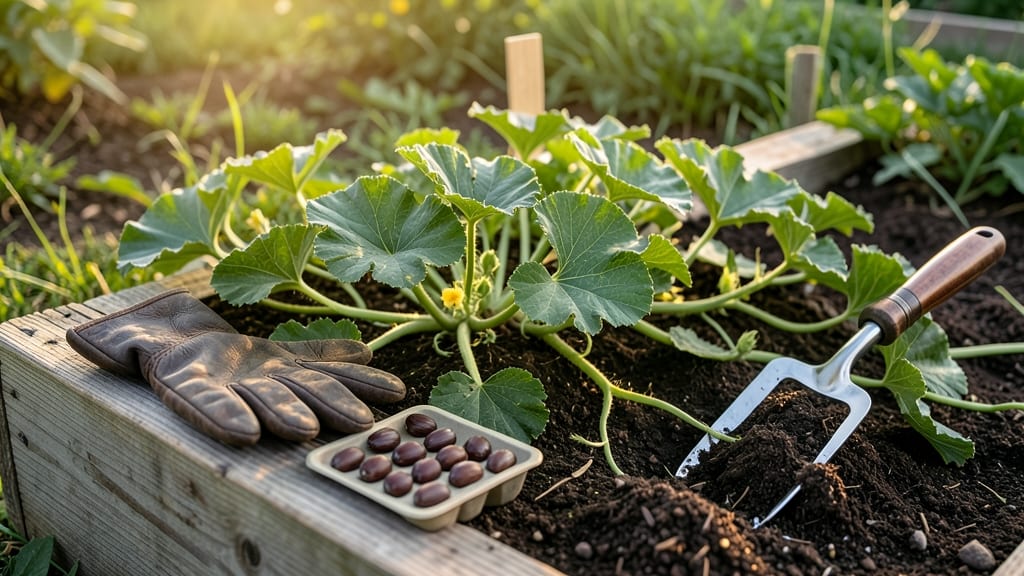
Plant watermelon seeds in Missouri after the last frost date—typically between April 15 and May 15—when soil temperatures hit at least 70°F.
Missouri’s warm summers are perfect for juicy, homegrown watermelons—but planting too early or late can spell disaster for your crop. Timing is everything, and knowing the exact frost-free dates by zone will help you avoid frost-killed seedlings and maximize your harvest.
In USDA zones 5b-6b, most gardeners start seeds indoors 4-6 weeks before the last frost, then transplant after the soil warms. If you’re direct-sowing, wait until the ground is consistently above 70°F—cold soil slows germination and weakens young plants.
Below, I’ll break down the best planting windows by region, soil prep tips, and how to adjust for Missouri’s unpredictable spring weather. With the right timing, you’ll be slicing into sweet, vine-ripened 🍉 by July!
Missouri watermelon planting timeline by USDA hardiness zones
Missouri’s USDA hardiness zones 5a-7a create big differences in frost-free dates—and that means your watermelon planting window shifts dramatically from north to south.
In zone 5a (northwest Missouri), you’ll need to start seeds indoors by March 15, while gardeners in zone 7a (southeast Missouri) can wait until mid-April for direct sowing.
These differences matter because watermelons hate cold soil—they won’t germinate below 70°F (21°C), and seedlings will die in even light frost.
For accurate timing, I always check Missouri State University Extension’s frost data, which shows the average last frost dates range from April 15 in zone 5a to May 1 in zone 7a.
But don’t rely on averages—use a soil thermometer to confirm 60°F (16°C) minimum soil temps before planting. Pro tip: In zone 5a-6a, I plant fast-maturing varieties (like Sugar Baby) to avoid fall frosts cutting harvests short.
🌱
| Zone | Avg Last Frost | Indoor Start | Outdoor Transplant | Direct Sow Window | Harvest Window |
|---|---|---|---|---|---|
| 5a (St. Joseph) | April 15 | March 15 | May 1 | May 15-June 1 | July 15-Aug 15 |
| 5b (Columbia) | April 1 | March 1 | April 25 | April 30-May 15 | July 1-Aug 20 |
| 6a (Kansas City) | March 25 | February 28 | April 15 | April 15-May 1 | June 20-Aug 5 |
| 6b (Springfield) | March 15 | February 15 | April 1 | March 31-April 15 | June 10-July 25 |
| 7a (Poplar Bluff) | March 1 | February 1 | March 15 | March 15-April 1 | May 20-June 30 |
In zone 5a, I always start watermelon seeds indoors under grow lights by March 15 to give them a 4-6 week head start. Seedlings need warmth (75-85°F) and bright light to avoid leggy growth. Harden them off for 7-10 days before transplanting after the last frost date.
For zone 6a-7a, you can direct sow seeds once soil hits 70°F (21°C), which usually aligns with mid-April to early May.
One mistake I see often is planting too early in zone 5a-6a—seedlings will stunt or rot in cool, wet soil. Always wait for consistent daytime temps above 75°F (24°C) before transplanting.
In my zone 6b garden, I use black plastic mulch to warm soil faster and prevent weeds, which helps me plant 1-2 weeks earlier than the average date.
For maximum harvest success, I recommend planting two batches in zones 5a-6a: one in early May (for early varieties) and another in late May (for traditional types). This staggered approach ensures fruit ripens over 6-8 weeks instead of all at once.
In zone 7a, you can even squeeze in a late summer crop by planting after July 4th if your first batch finishes early.
Missouri’s summer heat is perfect for watermelons, but late spring frosts can still sneak in. I always keep
How to adjust planting for Missouri’s unpredictable spring weather
Missouri’s spring weather can be a real rollercoaster—one day it’s sunny and warm, the next you’re scrambling to cover plants from a surprise frost. For watermelons, which thrive in warm soil and consistent heat, these fluctuations can derail your entire harvest.
The key is flexibility: knowing when to plant, how to protect your seedlings, and having backup plans for late frosts or heatwaves.
First, always check your last frost date, which in Missouri typically falls between mid-April and early May, depending on your zone. But don’t rely solely on averages—use a soil thermometer to confirm the ground has warmed to at least 70°F (21°C) before planting.
Cold soil can stunt seed germination or cause seedlings to rot, even if daytime temperatures feel warm.
⚠️ CALLOUT-WARNING ⚠️ Missouri’s late frosts can strike anytime before May 15! If you plant watermelon seeds too early (before May 1 in zones 5a-6a), a single 28°F (-2°C) night can kill tender seedlings overnight.
Use row covers or black plastic mulch to warm soil faster, but remove covers during the day to prevent overheating. For extra protection, start seeds indoors 2-3 weeks before your last frost date and transplant only after soil reaches 75°F (24°C).
For gardeners in northern Missouri (zones 5a-5b), consider a backup planting date in early June if spring weather stays cool. Choose fast-maturing varieties like ‘Sugar Baby’ (65 days) or ‘Crimson Sweet’ (75 days) to ensure harvests before fall’s first frost.
In southern Missouri (zones 6a-6b), you can push planting to late May with minimal risk, but always monitor 7-day forecasts for cold snaps.
Heatwaves are another challenge—watermelons wilt quickly in temperatures above 90°F (32°C). To combat this, mulch heavily with straw or grass clippings to retain moisture, and water deeply in the early morning to reduce evaporation.
If your area experiences drought conditions, prioritize drip irrigation over overhead watering to prevent fungal diseases like powdery mildew, which thrives in humid, hot conditions.
Pro tip: Plant watermelon seeds in raised beds or hill mounds to improve drainage and soil warmth. The elevated soil warms up faster in spring and stays cooler in summer, giving your plants a better chance to thrive.
Just ensure the soil is well-draining—watermelons hate soggy roots! Add a 5-inch layer of compost before planting to boost fertility and moisture retention.
Finally, keep an eye on your plants’ growth stage. If seedlings emerge but stall due to cool nights, use a cloche or mini greenhouse to create a warm microclimate.
Once vines start sprawling, provide trellis support or let them spread on black plastic to keep fruit off damp soil, reducing rot risk. With these adjustments, you’ll turn Missouri’s unpredictable spring into a watermelon-growing success! 🍉