
Plants
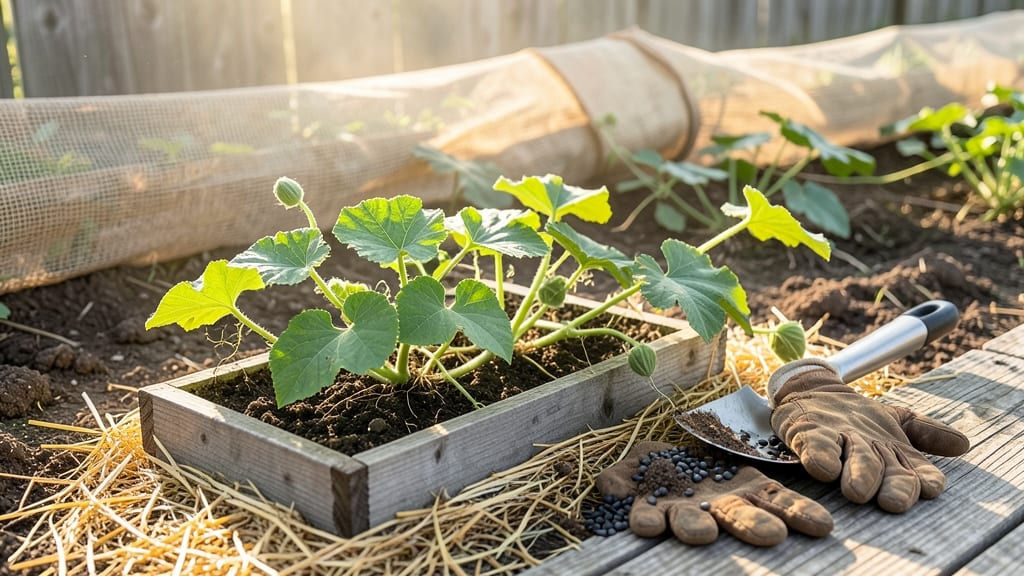
To plant watermelon seeds in Oklahoma, aim for mid-April to mid-May after the last frost—when soil hits 70°F and stays warm for 75 days of growing season.
Oklahoma’s scorching summers and unpredictable springs can make watermelon planting a gamble—unless you time it perfectly for maximum yield and sweetness. One week too early, and a late frost will turn your tender 🍉 seedlings into sad, wilted memories.
Too late, and the heat arrives before the vines even think about fruiting.
This isn’t just about avoiding frost—it’s about giving your watermelons the 60–90 days they need to mature before Oklahoma’s 90°F+ afternoons turn the garden into a sauna. The right timing means bigger melons, fewer pests, and a harvest that actually tastes like summer.
Below, I’ll break down the exact planting windows for your zone, soil-warming tricks to jumpstart growth, and how to stretch Oklahoma’s short season for sweeter, juicier results—no guesswork required.
Oklahoma watermelon planting dates by hardiness Zone (with frost-free deadlines)
Oklahoma’s diverse climate—from the high plains of Zone 6b to the humid south in Zone 8a—demands precise timing for watermelon success. Planting too early risks frost damage, while waiting too long can shorten the growing season before Oklahoma’s brutal summer heat arrives.
The key? Aligning your planting window with soil temperatures of 70°F+ and your local last frost date to ensure vines establish before the real heat kicks in.
For northern Oklahoma (Zones 6b-7a), this means waiting until May 1-15 after soil warms, while southern growers in Zone 8a can start as early as March 15. The difference isn’t just about dates—it’s about matching variety heat tolerance and microclimate conditions to your specific corner of the state.
Let’s break down the exact windows for each zone, including soil temperature thresholds and variety recommendations tailored to Oklahoma’s extremes.
| Zone | Last Avg. Frost Date | Ideal Planting Window | Soil Temp. Requirement | Key Variety Recommendations | Notes |
|---|---|---|---|---|---|
| 6b (Northern OK: Ponca City, Enid) | April 15 | May 1–15 (after soil warms to 70°F) | 70–75°F | Sugar Baby, Crimson Sweet | Use black plastic mulch to accelerate soil warming |
| 7a (Central OK: Oklahoma City, Stillwater) | March 31 | April 15–May 1 | 70°F+ | Charleston Gray, Jubilee | Extend season with row covers if late frost risk |
| 7b (South-Central OK: Lawton, Ardmore) | March 15 | April 1–15 | 68–72°F | Crimson Sweet, Black Diamond | Drought-tolerant varieties preferred |
| 8a (Southern OK: Tulsa, Durant) | February 28 | March 15–April 1 | 65–70°F | Sugar Baby, Yellow Doll | Watch for early heat stress; use shade cloth |
All dates assume typical Oklahoma climate patterns. Check Oklahoma Mesonet for real-time soil temps and adjust planting by 1–2 weeks if needed.
In Zone 6b, where late frosts linger until April 15, gardeners must wait until May 1-15 to plant watermelon seeds. The 70–75°F soil temperature threshold is non-negotiable—cold soil causes seeds to rot before germinating.
Varieties like Sugar Baby thrive here because they mature quickly (70–75 days) and handle Oklahoma’s 90°F+ summers better than slower varieties.
Central Oklahoma’s Zone 7a offers a slightly longer window, allowing planting from April 15–May 1. This zone benefits from Charleston Gray, a classic variety that balances sweetness and heat tolerance.
However, late frosts can still occur, so have row covers ready to protect young plants if temperatures dip below 50°F after planting.
Southern Oklahoma’s Zone 8a is the most forgiving, with an early planting window of March 15–April 1. Here, watermelon seeds can germinate in 65–70°F soil, but gardeners must guard against early heat stress.
Using 30% shade cloth for the first 7–10 days helps seedlings acclimate to Oklahoma’s intense sun before they’re fully established. Varieties like Yellow Doll are ideal for this zone because they mature in 65–70 days and produce smaller, sweeter fruits that ripen quickly.
Regardless of your zone, soil temperature is the most critical factor—not the calendar date. A soil thermometer is your best tool for accuracy. Plant when the soil at a 2-inch depth consistently reads 70°F+ during the day and 60°F+ at night.
In Oklahoma’s unpredictable climate, this precision can mean the difference between a bountiful harvest and a failed patch.
Pro tip: If you’re eager to start earlier, use biodegradable seed starter pots and place them in a greenhouse or cold frame 2–3 weeks before your zone’s ideal planting window. This gives seedlings a head start while you wait for soil to warm naturally. Just be sure to hard
How to extend Oklahoma’s watermelon growing season for larger fruits
Oklahoma’s brutal summer heat and unpredictable springs can turn watermelon growing into a high-stakes game of chance—unless you strategically extend your growing season. With the right techniques, you can push your harvest window by 3–4 weeks, producing larger, sweeter fruits even in our short growing season.
The key lies in soil prep, moisture control, and variety selection tailored to Oklahoma’s microclimates.
Most gardeners focus only on planting dates, but the real secret to bigger watermelons in Oklahoma is managing heat stress and preserving soil moisture during the critical first 60 days of vine growth.
By implementing these proven strategies, you’ll give your watermelons the head start they need to thrive when Oklahoma’s temperatures soar past 95°F.
Don’t overlook the power of early-season fertilization. Apply a balanced 10-10-10 fertilizer at planting (1 tbsp per hill) and again when vines reach 12 inches long. This ensures your watermelons have the nutrients to double in size during Oklahoma’s intense growing months.
For gardeners in northern Oklahoma (Zone 6b), row covers are your best friend. After the last frost but before soil warms to 70°F, use floating row covers to create a microclimate that protects seedlings from late spring frosts while still allowing sunlight to penetrate.
Remember: The goal isn’t just more watermelons—it’s bigger, sweeter fruits. By combining these techniques, you’ll extend your growing season by up to 4 weeks, giving your watermelons the time they need to reach 10+ pounds each—a common struggle in Oklahoma’s short season. 🌱💧☀️