
Plants
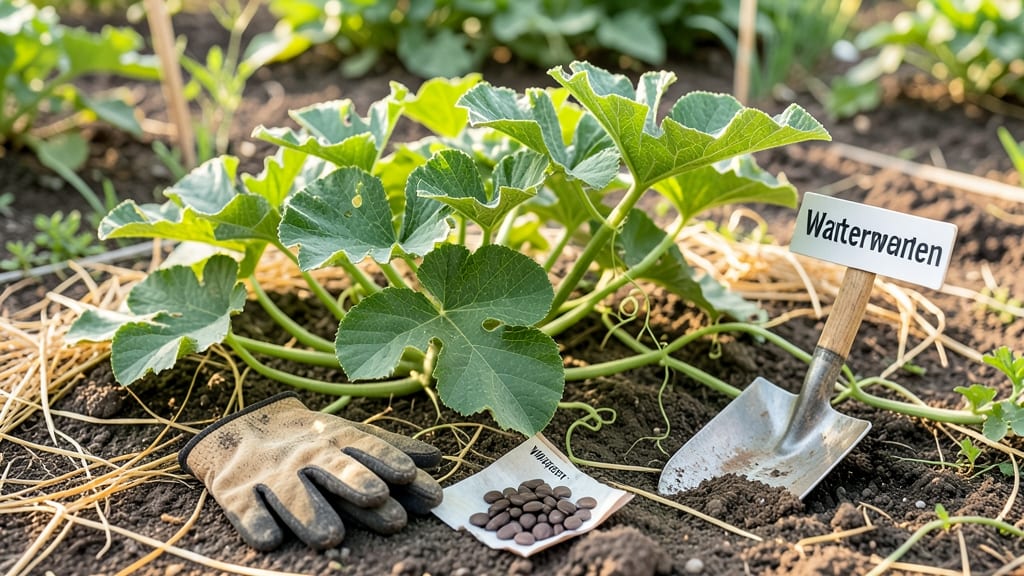
To plant watermelon seeds in Zone 7, wait until after the last frost and soil temperatures hit 70°F or higher—typically mid-to-late May—so your 🍉 seeds germinate fast and avoid rot.
Watermelons thrive in warm soil, but planting them too early in Zone 7’s unpredictable spring can mean slow germination—or worse, lost seeds. Timing is everything for a bountiful harvest, and getting it right ensures your vines grow strong and fast.
If you’ve ever watched your seedlings wilt from cold soil or bolt in the heat, you know how critical the planting window is. In Zone 7, the 2-3 week period after last frost is your sweet spot, but regional microclimates can shift that by a week or more.
Below, I’ll break down the exact dates for your area, whether to start indoors or direct-sow, and how to keep your watermelons thriving through Zone 7’s summer heat—so you can enjoy that first crisp slice by late summer.
Optimal planting dates for watermelon seeds in Zone 7 based on frost risk
Watermelons are heat-loving plants that refuse to germinate in cold soil, making timing critical in Zone 7. The last average frost date for most of Zone 7 falls around April 15, but your exact window depends on elevation and microclimates.
Planting too early risks rotten seeds or stunted vines, while waiting too long shortens your harvest window.
For successful germination, watermelon seeds need soil temperatures above 70°F. In Zone 7, this typically occurs 2-3 weeks after your last frost date. Using a soil thermometer is the best way to confirm readiness—don’t rely solely on calendar dates, as spring weather can be unpredictable.
Here’s a region-specific breakdown of optimal planting windows in Zone 7, accounting for common microclimates:
| Zone 7 Subregion | Last Frost Date | Optimal Planting Window | Soil Temp Goal | Notes |
|---|---|---|---|---|
| Northern Zone 7 (e.g., Pittsburgh, PA) | April 20–May 5 | May 15–June 1 | 70°F+ | Use black plastic mulch to warm soil faster |
| Central Zone 7 (e.g., Raleigh, NC) | April 1–April 15 | April 25–May 10 | 70°F+ | Direct-sow after last frost; avoid transplant shock |
| Southern Zone 7 (e.g., Atlanta, GA) | March 15–April 1 | April 10–April 25 | 70°F+ | Early varieties like 'Sugar Baby' work best |
| Mountainous Areas (e.g., Asheville, NC) | May 1–May 15 | May 20–June 5 | 70°F+ | Start seeds indoors 2–3 weeks early |
In Zone 7’s northern edges, like Pittsburgh, PA, or Cincinnati, OH, you’ll need to wait until mid-May to avoid frost risk. These areas benefit from black plastic mulch or row covers to accelerate soil warming.
Meanwhile, southern Zone 7, such as Atlanta or Birmingham, can plant as early as mid-April if soil temps are consistent.
For direct sowing, which is ideal for watermelons, plant seeds 1 inch deep and 6 inches apart in hills spaced 3–4 feet apart. Thin seedlings to 2–3 per hill once they’re 2 inches tall.
If you’re transplanting seedlings, do it after soil warms to 70°F and harden them off for 7–10 days first.
Watch for late spring frosts, which can still occur in Zone 7’s higher elevations. If frost is forecasted after planting, cover seedlings with frost blankets or row covers until danger passes. This is especially critical for early varieties with shorter maturity times.
Once planted, watermelons need consistent warmth to thrive. In Zone 7, June and July are the sweet spot for fruit development. If you plant too late, your vines may struggle to mature before fall frosts, which typically arrive around mid-October.
Choose shorter-season varieties like 'Crimson Sweet' (70 days) if you’re pushing the limits.
Pro tip: Test your soil temperature in the morning for 3 consecutive days before planting. If it’s consistently 70°F or higher, your seeds will germinate in 5–10 days. If it’s cooler, wait—patience pays off with faster, stronger vines and bigger melons.
🌱
How to extend the growing season for early or late planting in Zone 7
Zone 7’s 165 frost-free days can feel tight when growing watermelons, which need 75-90 days to mature. If you’re eager to plant early or worried about late-season harvests, these strategies help you push the limits—without sacrificing yield.
The key is warming the soil faster and protecting tender vines from unpredictable spring chills.
For early planting, focus on soil temperature more than calendar dates. Watermelon seeds won’t germinate until the soil hits 70°F, but even then, cool nights can stunt growth. Using black plastic mulch raises soil temps by 10-15°F within days, creating a microclimate that mimics summer conditions.
This lets you plant 2-3 weeks earlier than the traditional window without risking rot or slow starts.
For late planting, choose shorter-season varieties like ‘Sugar Baby’ (70 days) over ‘Crimson Sweet’ (90 days). Pair this with row covers to extend the season by 2-3 weeks into fall.
These lightweight fabrics trap heat during the day and protect against light frosts at night, giving your melons extra time to ripen before the first frost hits around October 15.
Pros & Cons: Extending Watermelon Growing Season in Zone 7
- ✅ Warms soil 10-15°F faster
- ✅ Suppresses weeds
- ✅ Allows 2-3 week earlier planting
- ❌ Requires removal before harvest
- ❌ Can overheat soil if not removed
- ✅ Extends season by 2-3 weeks
- ✅ Protects from light frost
- ✅ Reduces pest damage
- ❌ Needs removal for pollination
- ❌ Can trap too much heat
- ✅ Creates controlled microclimate
- ✅ Works for seedlings or transplants
- ✅ Reusable for multiple seasons
- ❌ Labor-intensive to set up
- ❌ Limits plant density
Transplanting mature seedlings (4-6 weeks old) is another game-changer. Start seeds indoors under grow lights 4-6 weeks before your target outdoor date. When soil temps hit 70°F, harden off seedlings and transplant them into prepared beds.
This cuts 30+ days off your growing timeline, letting you squeeze in a second planting for a fall harvest.
Don’t overlook variety selection. In Zone 7, ‘Sugar Baby’ (70 days) and ‘Black Diamond’ (80 days) are better bets than long-season types like ‘Moon and Stars’ (95 days). For late plantings, prioritize disease-resistant hybrids that can handle the heat and humidity of a shortened season.
Pair these with drip irrigation to keep soil consistently moist without overhead watering, which spreads disease.
If you’re pushing the envelope, monitor soil temps daily with a thermometer. Watermelons need consistent warmth—dipping below 60°F at night can stall growth entirely. Combine these strategies for the best results: use mulch for early starts, row covers for late extensions, and transplants for speed.
With the right approach, you can enjoy juicy Zone 7 watermelons from June through September—or even later with careful planning!