
Plants
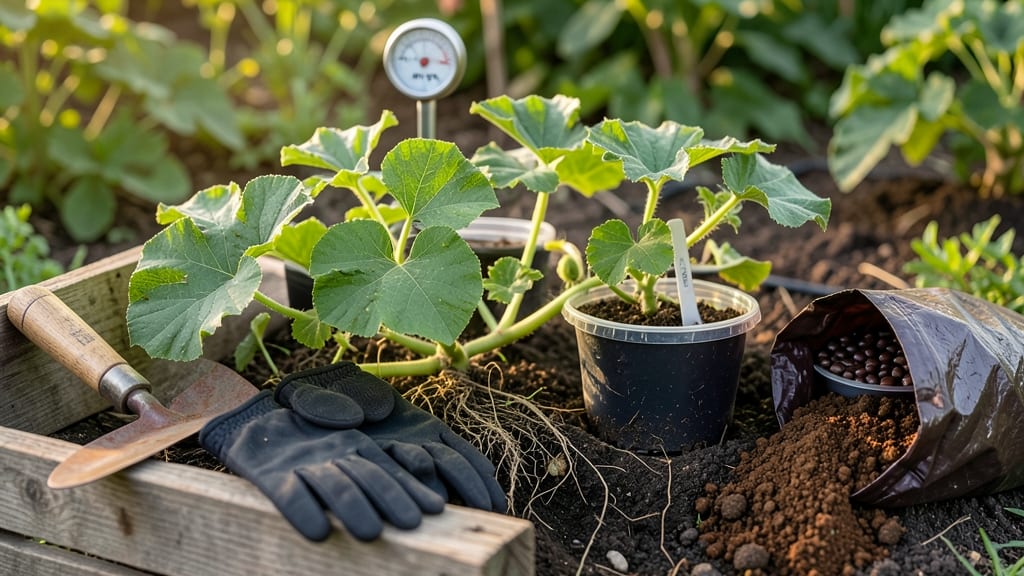
Plant watermelons in North Carolina once soil temperatures hit a steady 70°F—usually 2-4 weeks after your last frost date, depending on your zone.
Timing is everything for these heat-loving vines 🌱. Plant too early, and the cold will stall growth; too late, and the summer heat arrives before fruit sets. I’ve seen gardens where the difference between a bountiful harvest and a failed crop comes down to just a few weeks.
North Carolina’s varied climate means your planting window shifts from late April in the mountains to mid-March along the coast. Below, I’ll break down the exact dates by zone, plus soil prep tips and the best varieties for NC’s heat and humidity.
You’ll also learn how to extend your season with cold frames, avoid common mistakes, and keep your melons thriving until harvest—so you can enjoy that first slice of sweet, homegrown watermelon by summer’s end.
North Carolina frost-free dates by zone for planting watermelons
Watermelons thrive in warm soil and long summer days, making timing critical for a successful harvest in North Carolina. The state's USDA zones 5a-8b create varied planting windows, with soil temperature being the most important factor—not just frost dates.
Planting too early in cooler zones risks stunted growth, while waiting too late in southern NC may shorten the growing season.
For direct-sown seeds, aim for soil temperatures above 70°F—this typically aligns with mid-April to early June depending on your zone. In shorter-season zones (5a-6b), consider transplants or row covers to jumpstart growth.
Southern NC gardeners (zones 7b-8b) enjoy a longer window, but heat tolerance matters just as much as frost dates.
Last frost dates provide a baseline, but watermelons need 75-90 days to mature, so calculate backward from your first expected frost in fall. For example, in zone 5a, you might only have 120 days between last frost and first frost—leaving little room for error. In zone 8b, you could stretch planting into late June for a fall harvest.
| Zone | Last Frost Date | Ideal Planting Window | Soil Temp Requirement | Transplant Date |
|---|---|---|---|---|
| 5a | April 15 | May 15–June 1 (direct sow) | 70°F+ (wait for warmth) | April 20–May 1 (transplants) |
| 6a | April 1 | April 20–May 15 (direct sow) | 70°F+ (use row covers early) | April 1–April 15 (transplants) |
| 6b | March 25 | April 10–May 10 (direct sow) | 70°F+ (soil warms faster) | March 20–April 1 (transplants) |
| 7a | March 15 | March 30–April 30 (direct sow) | 65°F+ (soil warms early) | March 1–March 15 (transplants) |
| 7b | March 1 | March 15–April 15 (direct sow) | 65°F+ (longer growing season) | February 20–March 1 (transplants) |
| 8a | February 15 | February 28–March 30 (direct sow) | 60°F+ (fast soil warming) | February 1–February 15 (transplants) |
| 8b | January 31 | February 15–June 1 (direct sow) | 60°F+ (year-round potential) | January 15–February 10 (transplants) |
In zones 5a-6b, where frost risk lingers longer, I recommend starting seeds indoors 3-4 weeks before transplanting. Use biodegradable pots to avoid root disturbance, and harden off seedlings for 7-10 days before moving them outdoors.
For direct sowing, wait until nighttime temperatures stay above 55°F—this usually aligns with late April to early May in these zones.
Southern NC gardeners in zones 7b-8b have the luxury of earlier and later plantings. You can even sow a second crop in late June for a fall harvest before frost. However, heat stress becomes a concern in July-August, so provide shade cloth if temperatures exceed 95°F for extended periods.
Varieties like 'Sugar Baby' or 'Crimson Sweet' handle heat better than 'Charleston Gray'.
Regardless of your zone, test soil temperature with a soil thermometer before planting—70°F+ is non-negotiable for germination. In <
How to extend your watermelon growing season in NC
North Carolina's shorter growing zones (5a-6b) can make it tricky to grow watermelons successfully, but with the right strategies, you can extend your season and enjoy a longer harvest window.
The key is to start early, protect young plants, and maximize late-season growth. These techniques work especially well for gardeners in the Mountains and Piedmont regions where summers are shorter.
One of the most effective ways to get a head start is by using cold frames or row covers. These simple structures can raise soil temperatures by 10-15°F, allowing you to plant seeds 4-6 weeks earlier than traditional outdoor planting times.
This early start gives your vines a crucial growth advantage before the official last frost date.
Another smart approach is succession planting, where you stagger your plantings every 2-3 weeks after the initial sowing. This ensures a continuous harvest rather than one big yield.
For example, if your first planting goes in late April, follow up with additional seeds in mid-May and early June. This works best with smaller varieties like 'Sugar Baby' or 'Black Diamond', which mature faster.
When it comes to late-season care, focus on protecting your plants from early fall frosts. Use row covers or black plastic mulch to extend warmth into September or October. Remove covers during the day to prevent overheating and reapply at night.
Additionally, reduce watering slightly as temperatures drop to prevent fungal diseases like powdery mildew, which thrive in cool, damp conditions.
Don't overlook the importance of soil preparation for extended seasons. Amend your garden beds with compost and aged manure before planting to improve soil fertility and water retention.
Watermelons are heavy feeders, so a balanced fertilizer (10-10-10) applied at planting and again when vines start running will give them the boost they need for prolonged growth.
With these techniques, you can push your watermelon harvest from mid-summer to early fall, even in NC's cooler zones. The key is planning ahead, protecting young plants, and giving your vines every advantage to thrive in a shorter growing window. Happy gardening! 🌻