
Transplanting
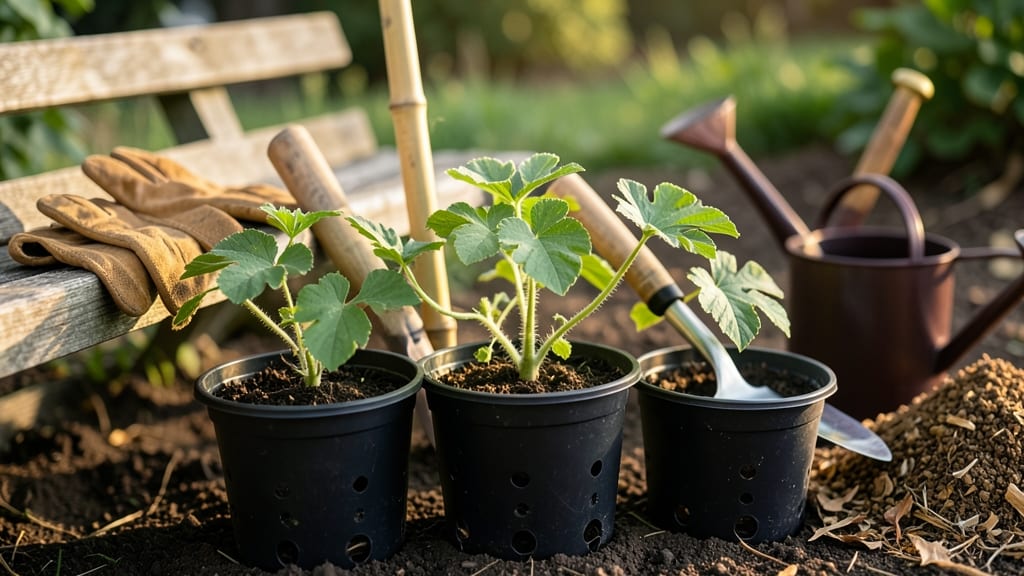
Transplanting watermelon seedlings at the right time means the difference between bursting vines and stunted growth — and soil temperature is the key.
Picture this: you’ve nurtured your 🍉 seedlings for weeks, only to rush them into the garden too soon, where a single chilly night sends them into shock.
Or worse, you wait too long, and those sprawling vines struggle to catch up. The perfect window? When the soil hits 70°F (21°C) consistently, day and night.
But timing isn’t just about thermometers. You’ll also need to watch for 2-3 true leaves, harden off seedlings for 7-10 days, and avoid transplanting after the last frost in Zone 6a (typically mid-April). Get it wrong, and you’ll spend summer chasing fruit instead of harvesting it.
In this guide, I’ll break down the exact soil temp checklist, regional tweaks, and post-transplant care to ensure your watermelons take off like a rocket—not a slow burn.


Optimal soil temperature ranges for transplanting watermelon seedlings
Watermelon seedlings are heat-loving plants that need warm soil to thrive. Transplanting too early when soil is still cool can stunt root growth and leave vines vulnerable to disease.
Conversely, waiting until the last possible moment risks weakened seedlings that struggle to recover. The key is finding that sweet spot where soil warmth aligns with your local climate.
For most USDA zones, soil temperatures between 70°F and 90°F (21°C–32°C) create ideal conditions for transplanting watermelon seedlings. This range ensures rapid root establishment and vigorous vine growth.
However, day and night temperatures matter just as much as the average. Cooler nights can slow growth, while extreme heat may stress young plants.
Here’s how to determine if your soil is ready for watermelon seedlings, broken down by USDA hardiness zones and practical testing methods:
To test your soil temperature accurately, use a soil thermometer inserted 2-3 inches deep. Morning is the best time to check, as temperatures fluctuate less. If your soil isn’t warm enough, consider using black plastic mulch or row covers to warm it faster.
These methods can raise soil temperatures by 5-10°F within days, giving you a head start on the growing season.
In cooler zones like USDA 3-5, you might need to extend your growing season with a greenhouse or cold frame. Watermelons are not frost-tolerant, so always wait until after the last frost date and confirm soil warmth before transplanting.
For example, in Zone 4, even if frost risk has passed, soil may still be too cold for watermelons until late May.
If you’re in a warmer zone (8-11), early planting can actually be beneficial. Start seedlings indoors or in a protected environment 4-6 weeks before your ideal outdoor transplant date.
This gives you a jump on the season and ensures your vines are strong and established by the time summer heat arrives. Just be mindful of overheating risks—watermelons can suffer from blossom drop if daytime temps exceed 95°F (35°C).
One common mistake is relying on air temperature rather than soil temperature. A warm spring day might feel perfect, but the soil could still be too cool for roots. Always prioritize soil warmth over air temperature when deciding transplant timing.
For example, a 75°F (24°C) air temp might feel ideal, but if the soil is only 60°F (16°C), your seedlings will struggle to establish.
For container gardening, soil warms up faster than in-ground soil, so you can transplant 1-2 weeks earlier in pots. However, containers also dry out quicker, so monitor moisture closely. Use a thermometer with a probe to check soil temp in your pots—it should match the ideal ranges above.
If you’re using black containers, they’ll absorb more heat, which can be advantageous in cooler climates.
Finally, if you’re unsure about your local soil temperature trends, check historical planting guides for your area or use a soil warming mat for a few days before transplanting. These mats can raise soil temps by 10-15°F and are especially useful in northern clim
Signs your watermelon seedlings are ready for transplanting (beyond temperature)
While soil temperature is critical for transplanting watermelon seedlings, physical signs of maturity are just as important. Healthy seedlings show vibrant growth and resilience—key indicators they’re ready to handle outdoor conditions. Ignoring these visual cues can lead to transplant shock or stunted vines, even with perfect soil warmth.
I’ve learned the hard way that rushing seedlings into the ground too soon—even with warm soil—can backfire. Look for these physical readiness markers before scheduling your transplant date. These signs ensure your watermelons establish strong roots and thrive once planted.
🌱 5 Signs Your Watermelon Seedlings Are Transplant-Ready
- 🌿 2-3 True Leaves: Seedlings should have 2-3 mature leaves (not just cotyledons). These leaves indicate the plant has enough energy to support new growth.
- 🌱 Sturdy Stem: The stem should be thick (about ¼-inch diameter) and not flimsy. Gently pinch—it should bend slightly but not break.
- 🌱 Healthy Root System: If you gently remove the seedling from its pot, roots should fill half the root ball and be white or light tan, not black or mushy.
- 🌱 Deep Green Leaves: Leaves should be a rich, dark green color, not yellow or pale. Variegated or spotted leaves signal stress or disease.
- 🌱 Hardened Off: After 7-10 days of hardening (gradually exposing seedlings to outdoor conditions), they should look perky and recover quickly from light wind or sun exposure.
Pro Tip: Test roots by tapping the pot—if roots are circling tightly, it’s time to transplant to give them room to spread.
Don’t overlook the hardening-off process, which is non-negotiable for watermelon success. Start by placing seedlings outside in partial shade for 2-3 hours daily, then gradually increase exposure to full sun over 7-10 days. This mimics outdoor conditions and toughens their cell walls.
Watch for wilting or leaf drop during hardening—this means you’re moving too fast. If leaves yellow or curl, reduce exposure time and water thoroughly afterward. Healthy seedlings should bounce back within hours of returning indoors.
Once your seedlings meet these criteria, they’re primed for transplanting. Choose a cloudy day or late afternoon to minimize stress from direct sunlight. Dig holes slightly larger than the root ball and water deeply before and after planting to encourage root expansion.
Remember, transplanting at the right time isn’t just about soil temperature—it’s about giving your watermelons the best possible start. With these signs as your guide, you’ll avoid common pitfalls and set the stage for a bountiful harvest.