
Flowers
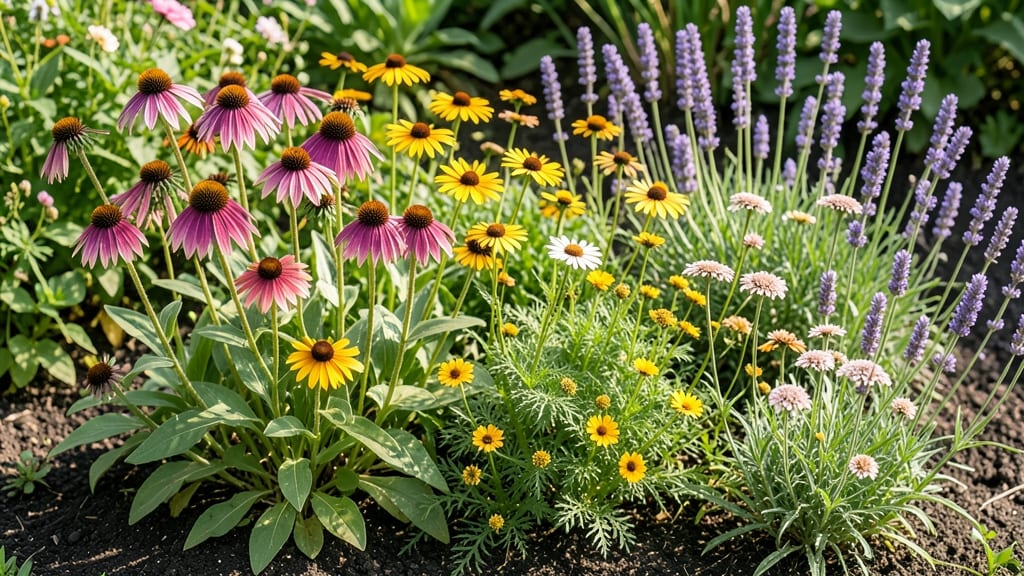
A wildflowers perennial mix transforms your garden into a living tapestry that blooms year after year without the fuss. 🌸 I planted mine three years ago, and now it’s a riot of color—purple coneflowers, golden black-eyed Susans, and delicate pink asters—that never stops surprising me.
The best part? Once established, it thrives on neglect, outlasting annuals by seasons and supporting bees and butterflies like a natural oasis. The secret lies in the mix itself: native perennials that self-seed and spread, creating a low-maintenance meadow effect.
You’ll spend less time weeding and more time enjoying the show—think sunny borders, wildflower meadows, or even container gardens bursting with life. My cottage-style garden now hums with pollinators, and the colors shift beautifully from spring’s soft blues to summer’s fiery reds and fall’s golden hues.
By mid-June, your garden will be a pollinator magnet, with blooms that keep coming back stronger each year. The key is choosing the right mix for your climate and sunlight—native varieties thrive with minimal care, while drought-tolerant blends handle dry spells like champions.
It’s gardening at its easiest and most rewarding. Works for modern minimalists, cottage lovers, or native plant enthusiasts alike. Whether you’re seeding a whole field or tucking a small patch into your yard, this mix delivers bold color, wildlife support, and zero guilt over high-maintenance plants.
📚 In This Guide
- What you need
- Instructions
- Tips and common mistakes
- Wrapping up and next steps
What you need
- ● Wildflowers Perennial Mix: 1–5 lbs (coverage depends on area; ~1 lb covers ~100 sq. ft.). Opt for native or drought-resistant blends for best results.
- ● Garden Soil: Loose, well-draining soil (amend with compost if your soil is heavy or clay-like).
- ● Water: A hose with a gentle spray nozzle or a watering can.
- ● Garden Gloves: A pair to protect your hands from thorns or rough soil.
- ● Hand Trowel or Rake: For breaking up soil and creating furrows (8–12" spacing for wildflowers).
- ○ Broadcast Spreader (Optional):strong> For even distribution over large areas.
- ○ Mulch or Straw (Optional):strong> Lightly cover seeds with ¼" of mulch to retain moisture (skip if sowing in fall).
- ● Sunlight: Full sun (6+ hours/day) for most wildflower mixes—check your blend’s specific needs!
- ● Location: A prepared garden bed, meadow, or even containers (with drainage holes).
- ● Timing: Plant in early spring or fall for ideal germination. Avoid peak summer heat.
Step-by-step guide to planting a wildflower perennial mix
Here's how to create a vibrant, low-maintenance perennial wildflower garden that thrives for seasons.
🪴 Step 1: Choose and Prepare Your Planting Site
Select a sunny location with at least 6 hours of direct sunlight daily—most perennial wildflowers thrive in full sun. Avoid areas with heavy shade or wet soil, as these can stunt growth. Clear the site of weeds and debris, then loosen the top 6 inches of soil with a garden fork or tiller. This helps roots establish more easily.
If your soil is heavy clay or sandy, amend it with 2-3 inches of compost mixed into the top layer. This improves drainage and nutrient availability. Test the soil pH—most wildflowers prefer a neutral to slightly alkaline range (6.0-7.5). If your soil is too acidic, add lime to adjust it before planting.
🌱 Step 2: Scatter and Lightly Cover the Wildflower Seeds
Spread the perennial wildflower mix evenly over the prepared area, aiming for a coverage rate of 1-2 pounds per 100 square feet. For a natural look, scatter seeds by hand rather than using a spreader—this mimics how wildflowers grow in nature. Lightly rake the seeds into the soil with a fine-toothed rake, ensuring they make contact with the earth but aren’t buried deeper than ¼ inch.
Press the soil gently with your hands or a board to ensure good seed-to-soil contact. This step is critical—seeds need darkness to germinate, so avoid burying them too deeply. Water the area lightly with a fine mist to moisten the soil without displacing the seeds. Keep the soil consistently moist (not soggy) until germination, which typically occurs in 14-30 days depending on the mix and weather.
☀️ Step 3: Maintain Moisture and Monitor Growth
After planting, water the area once or twice daily for the first 2 weeks to keep the soil evenly moist. Once seedlings emerge, reduce watering to 2-3 times per week, allowing the soil to dry slightly between waterings. Overwatering can lead to fungal diseases, while underwatering may cause seedlings to struggle. You’ll know moisture is right when the top ½ inch of soil feels damp but not wet.
As seedlings grow to 2-3 inches tall, thin them if necessary to ensure plants are spaced 6-12 inches apart, depending on the mature size of the species in your mix. This prevents overcrowding and encourages stronger, healthier plants. Mulch lightly with straw or wood chips to retain moisture and suppress weeds, but avoid piling mulch directly against stems.
✂️ Step 4: Encourage Blooms and Long-Term Health
Once your wildflowers establish (after the first growing season), reduce watering to once a week unless there’s prolonged dryness. Most perennial wildflowers are drought-tolerant once established, but they’ll reward you with bold, vibrant blooms if given consistent care. Deadhead spent flowers in late summer to encourage a second flush of blooms and prevent self-seeding where you don’t want it.
In early spring, before new growth appears, trim back any dead or woody stems to 2-3 inches above the ground. This promotes fresh, healthy growth and prevents the center of the plant from becoming too dense. Fertilize lightly in early spring with a balanced, low-nitrogen fertilizer (10-10-10) to support robust growth without encouraging excessive foliage at the expense of flowers.
🌿 Step 5: Enjoy and Sustain Your Wildflower Garden
Perennial wildflowers will return year after year, offering season-long color and pollinator support. To maintain their beauty, avoid heavy foot traffic or mowing until after the first frost in fall. This allows seeds to mature and scatter naturally, ensuring future blooms. If weeds become an issue, pull them by hand in early spring before they compete with your wildflowers for resources.
Every 2-3 years, consider lightly raking out dead foliage in late winter to refresh the bed. This prevents thatch buildup and allows sunlight to reach new growth. With minimal care, your wildflower perennial mix will thrive, attracting butterflies, bees, and birds while adding bold, natural beauty to your landscape for decades.
Tips & tricks for perfect wildflower perennial gardens
Here's what I've learned from years of growing these resilient beauties—simple secrets that make all the difference.
Location is Everything: That 6 hours of direct sunlight isn't just a suggestion—it's non-negotiable for most perennial wildflower mixes. I've tried planting in partial shade, and while some varieties might survive, they'll never reach their full potential. Scout your site at different times of day to confirm sunlight exposure, especially if you're near trees or buildings that might cast moving shadows.
Soil Preparation Pays Off: The 6 inches of loosened soil and 2-3 inches of compost create the perfect foundation, but don't stop there. If your soil is particularly dense, consider adding a handful of perlite or coarse sand to improve aeration. I've found that amending clay soils with gypsum (calcium sulfate) can work wonders for breaking up compaction over time, though it won't change your soil's pH.
Seed Scattering Strategy: When spreading your 1-2 pounds per 100 square feet, think about how you'll enjoy the garden. For a natural meadow look, use a wider spacing—up to 18 inches between plants—while closer spacing creates a denser, more formal appearance. After scattering, I like to use a lightweight board to gently press the seeds into the soil rather than raking, which helps maintain that critical ¼-inch depth without disturbing the seeds.
Germination Timing Tip: The 14-30 day germination window can feel like an eternity, but patience is key. To track progress, I mark a small section of the garden with toothpicks before planting. When the first sprouts appear in this marked area, I know germination is underway across the entire plot. This helps prevent overwatering once the seeds have sprouted—once you see those first green shoots, you can cut back to the 2-3 times per week schedule.
Pro Tips for Wildflowers Perennial Mix
- Here's what I've learned from years of growing these resilient beauties—simple secrets that make all the difference.
- Location is Everything: That 6 hours of direct sunlight isn't just a suggestion—it's non-negotiable for most perennial wildflower mixes.
- Soil Preparation Pays Off: The 6 inches of loosened soil and 2-3 inches of compost create the perfect foundation, but don't stop there.
Frequently asked questions
Got questions about transforming your space with wildflowers perennial mix? You’re not alone! Here are some of the most common queries—and their answers—to help you bloom with confidence.
How long does it take for a wildflowers perennial mix to bloom after planting?
A wildflowers perennial mix typically takes 6 to 12 weeks to show the first signs of blooms after planting, depending on your climate and the specific varieties in your mix. Some early bloomers, like cosmos or bachelor’s buttons, may pop up sooner, while others, like coneflowers, take a little longer. Patience pays off—once established, these beauties will return and thrive for years!
When is the best time to plant a wildflowers perennial mix?
The ideal time to plant is early spring (after the last frost) or late summer to early fall. Planting in spring gives flowers time to establish roots before summer heat, while fall planting allows them to settle in before winter dormancy. Avoid planting in extreme heat or cold—your wildflowers will thank you with vibrant, long-lasting blooms!
How much water does a wildflowers perennial mix need?
Once established, wildflowers perennial mix is incredibly drought-tolerant, but they need consistent moisture during their first growing season. Water deeply 1-2 times per week (or more in extreme heat) to encourage strong root growth. After the first year, they’ll thrive with minimal watering—perfect for low-maintenance gardens!
Will a wildflowers perennial mix attract bees and butterflies?
A wildflowers perennial mix is a pollinator’s paradise. Varieties like bee balm, black-eyed Susans, and milkweed are especially attractive to bees, butterflies, and hummingbirds. Planting this mix supports local ecosystems while adding life and movement to your garden. It’s a win-win for you and the winged visitors!
Can I plant a wildflowers perennial mix in containers or small spaces?
Yes! While wildflowers thrive in open meadows, many varieties—like lobelia, alyssum, or dwarf coneflowers—do well in containers, window boxes, or small gardens. Choose a mix labeled for small spaces or containers, and ensure your pots have drainage holes. Just keep in mind that container-grown wildflowers may need slightly more frequent watering than ground-planted varieties.
How do I prevent weeds from overtaking my wildflowers perennial mix?
Weeds are the biggest challenge for new wildflower gardens, but mulching lightly with straw or leaving seed heads (after blooming) helps suppress them. Avoid tilling, as it disturbs wildflower roots. Hand-pull weeds early on, and once your wildflowers establish, they’ll outcompete weeds naturally. Think of it as a slow-and-steady battle—your perennials will win in the end!
Wrapping up and next steps
Transforming your garden into a vibrant, low-maintenance paradise with wildflowers perennial mix is easier—and more rewarding—than you think! 🌸 These hardy blooms not only bring bold colors back year after year but also support local ecosystems and save you time on upkeep.
Whether you’re a seasoned gardener or just starting out, now’s the perfect moment to plant your future blooms.
Ready to dive in? Start small—pick a sunny spot, grab your seeds, and let nature do the rest! Your garden (and pollinators!) will thank you.