
Planting
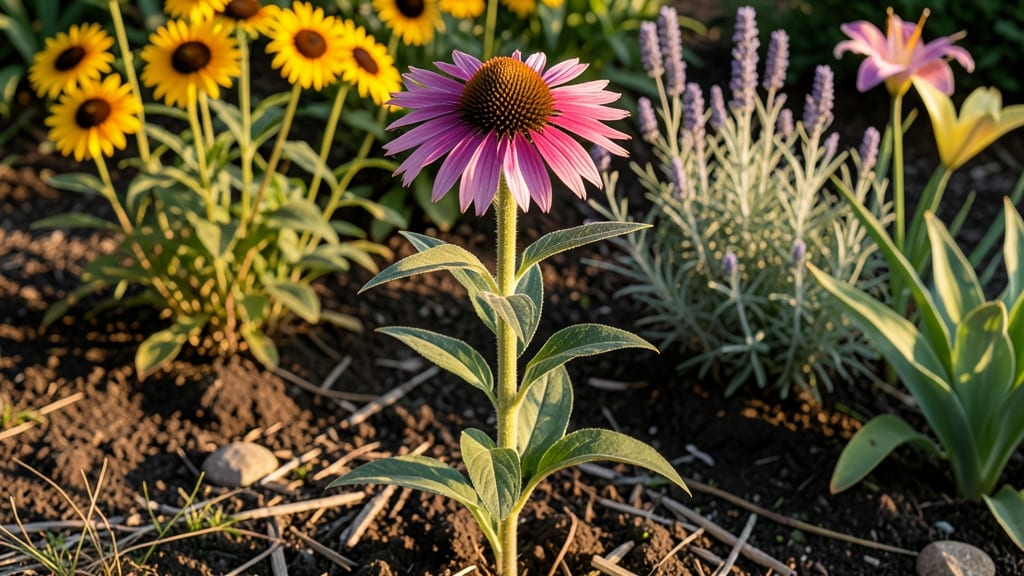
Zone 7 perennials are the backbone of a garden that comes back stronger every spring—no replanting, no fuss, just bold color and texture year after year. 🌿 I’ve spent years testing which varieties thrive through our mild winters and hot summers, and the results are plants that reward you with low-maintenance beauty and resilience.
The secret isn’t just picking hardy plants—it’s matching them to your light and soil. Shade lovers like hostas and astilbes handle Zone 7’s summer heat better than sun-hungry varieties, while coneflowers and black-eyed Susans thrive in full sun with minimal fuss.
Once established, these perennials need half the water of annuals and bounce back after droughts or cold snaps. By late June, your garden will be bursting with blooms that last until frost, and the foliage stays lush even in summer’s peak. The best part?
You’ll spend less time replanting and more time enjoying the show—plus, pollinators will flock to your yard like never before. Whether you’re filling borders, creating a pollinator haven, or just adding year-round interest, these perennials deliver. Let’s get your garden set up for a decade of easy beauty.
📚 In This Guide
- What you need
- Instructions
- Tips and common mistakes
- Wrapping up and next steps
What you need
- ● Perennials: 1–5 plants per variety (depending on desired coverage). Popular zone 7 picks: Coneflower (Echinacea)
- ● Black-eyed Susan (Rudbeckia)
- ● Daylily (Hemerocallis)
- ● Hostas (Hosta spp.)
- ● Russian Sage (Perovskia)
- ● Soil amendments: 5–10 lbs of compost or well-rotted manure per planting area
- ● 1–2 lbs of balanced fertilizer (10-10-10 or organic alternative)
- ● Tools: 1 garden trowel or hand shovel
- ● 1 pruning shears (for cleanup)
- ● 1 wheelbarrow or bucket (for mixing soil)
- ● 1 hose with nozzle or watering can (with 1–2 gallons capacity)
- ○ 1 pair of gardening gloves (optional but recommended!)
- ● Sunlight: Confirm your garden’s light exposure (full sun, partial shade, or full shade) to match plant needs.
- ● Soil pH: Test soil pH (ideal range: 6.0–7.0 for most perennials). Adjust with lime (to raise pH) or sulfur (to lower pH) if needed.
- ● Water source: Ensure easy access to water for the first 2–3 weeks post-planting.
- ● Timing: Plant in early spring (March–April) or fall (September–October) for best establishment.
- ● Mulch (2–3 inches of shredded bark or straw to retain moisture)
- ● Slow-release fertilizer tablets (for nutrient boost)
- ● Plant markers (to track varieties)
- ● Organic pest control (neem oil or diatomaceous earth)
Step-by-Step guide to establishing cold-resilient perennials in Zone 7
Here’s the straightforward approach I’ve used for years to get perennials thriving through Zone 7 winters.
🌱 Step 1: Choose the Right Perennials for Your Site
Start with plants that naturally thrive in Zone 7’s 20-30°F winters—think coneflowers, black-eyed Susans, and Russian sage for bold color, or lavender and sedum for drought tolerance. I always check the USDA hardiness zone range on the tag or in seed catalogs to avoid surprises. For example, peony roots (Zone 3-8) handle cold far better than tender salvia (Zone 5-9).
Look for perennials with deep root systems like daylilies or hostas—they store energy underground to rebound quickly in spring. Avoid anything labeled “tender” or “warm-climate only.” Your local nursery staff can point you to proven performers in your microclimate, especially if you’re near a river or hilltop where temps dip lower.
🪴 Step 2: Prepare the Soil Before Planting
Perennials hate soggy soil in winter, so amend clay or compacted areas with 2-3 inches of compost mixed into the top 12 inches of soil. I use a broadfork to loosen the ground without disturbing roots—this improves drainage while keeping the ecosystem intact. For sandy soil, add 1 inch of peat moss to retain moisture.
Test your soil’s pH if you’re planting blueberries (4.5-5.2) or lavender (6.0-7.5)—these finicky perennials won’t thrive outside their ideal range. A simple $10 soil test kit from your extension office gives you exact numbers. If your soil is too alkaline, work in sulfur a few months before planting.
☀️ Step 3: Plant at the Right Time and Depth
In Zone 7, fall planting (September-October) gives roots time to establish before winter, while spring planting (March-April) works for tender starts. Dig holes twice as wide as the root ball but only as deep—planting too deep suffocates stems. I always water the hole before placing the plant in to eliminate air pockets.
Space perennials according to their mature size: 3 feet apart for coneflowers, 18 inches for sedum, and 2 feet for daylilies. Crowding leads to disease and weak growth. After planting, water deeply to settle the soil, then mulch with 2-3 inches of shredded leaves or straw to insulate roots through winter.
⏰ Step 4: Winterize with Mulch and Protection
Once frost arrives, add 4-6 inches of mulch around perennials to shield roots from temperature swings. I use straw or pine needles—they break down slowly and improve soil as they decompose. For tender perennials like butterfly bush (Zone 5), wrap the crown in burlap and mound extra mulch over it.
Don’t mulch too early—wait until ground freezes to avoid trapping moisture and encouraging rot. In Zone 7a (0-5°F), most perennials handle winter fine, but Zone 7b (5-10°F) can push limits for tender varieties. If a plant’s zone range is Zone 6 or higher, give it extra protection by covering with a frost blanket on the coldest nights.
🌿 Step 5: Spring Care for Bold Rebound
As soon as soil thaws in early spring, remove old mulch and fertilize lightly with 5-10-10 (½ cup per 10 sq ft). This jumpstarts growth without burning tender new shoots. I always prune dead foliage from coneflowers and black-eyed Susans in late winter, but leave last year’s stems on orchard grass or switchgrass—they add winter interest and protect crowns.
Watch for new shoots emerging by late March or April—this is your cue to water deeply if rainfall is scarce. Perennials in full sun (like lavender) need consistent moisture to establish, while shade-lovers (like hostas) tolerate drier conditions. A drip irrigation system on a timer makes this effortless once set up.
Tips & tricks for cold-resilient perennials in Zone 7
These simple strategies will help your perennials bounce back stronger every spring after tough winters.
Zone Range Reality: Always double-check the USDA hardiness zone range on plant tags—just because a perennial thrives in Zone 7 doesn't mean it'll survive every winter. For example, Russian sage (Zone 5-9) handles our winters better than salvia (Zone 5-9 but more tender). I've learned this the hard way with plants that looked perfect but died back after our coldest snaps. When in doubt, ask your local nursery about microclimate factors like frost pockets or urban heat islands that might affect your specific yard.
Soil Prep Secret: The 2-3 inches of compost in Step 2 isn't just about nutrients—it's about creating air pockets that prevent winter soil compaction. I've found that mixing in 1 cup of perlite per square foot of heavy clay soil makes an even bigger difference for winter drainage. For sandy soils, that 1 inch of peat moss recommendation works wonders, but I've also had success with coconut coir which breaks down more slowly and retains moisture better over time.
Winter Protection Insight: That 4-6 inches of mulch in Step 4 is your best defense against temperature swings, but timing matters. I've noticed that adding mulch too early (before ground freezes) can actually trap moisture and encourage rot in sensitive perennials like peony roots. For extra insurance during those Zone 7a (0-5°F) nights, I use a frost blanket over tender perennials like butterfly bush—it's like giving them a cozy blanket without smothering them completely.
Spring Rebound Tip: When those new shoots appear in late March or April, resist the urge to fertilize immediately. I've found that waiting until you see 3-4 inches of new growth before applying that ½ cup of 5-10-10 per 10 sq ft gives the roots time to establish without burning delicate new shoots. For shade-loving perennials like hostas, I often skip the early spring fertilizer entirely—they're more sensitive to overfeeding when they're just waking up.
Pro Tips for Zone 7 Perennials
- These simple strategies will help your perennials bounce back stronger every spring after tough winters.
- Zone Range Reality: Always double-check the USDA hardiness zone range on plant tags—just because a perennial thrives in Zone 7 doesn't mean it'll survive every winter.
- Soil Prep Secret: The 2-3 inches of compost in Step 2 isn't just about nutrients—it's about creating air pockets that prevent winter soil compaction.
Frequently asked questions
Got questions about keeping your Zone 7 perennials thriving? You’re not alone! Here are some of the most common queries—plus straight answers to help you garden with confidence.
How do I know if a perennial is truly hardy to Zone 7?
A plant labeled as hardy to Zone 7 (or USDA Zone 7) means it can survive winter temps as low as 0°F to 10°F (-18°C to -12°C). Always check the plant tag or database like the USDA Plant Hardiness Zone Map—but remember, microclimates (like urban heat islands) can shift your zone slightly!
When is the best time to plant perennials in Zone 7?
For spring planting, aim for early spring (as soon as soil is workable, ~4–6 weeks before last frost). Fall planting is ideal too—6–8 weeks before first frost—so roots establish before winter. Avoid planting in extreme heat or cold; perennials hate soggy soil in winter!
What if my Zone 7 perennial dies back completely in winter?
Don’t panic! Many perennials (like Hellebores or Lungwort) go dormant but regrow from roots. If it’s truly dead (no green shoots by early spring), check for:
- Winter burn (brown edges from dry air)
- Pests/disease (inspect stems)
- Poor drainage (root rot risk)
Can I replace a struggling perennial with something else in Zone 7?
Swap out underperformers with low-maintenance Zone 7 winners like:
- Black-Eyed Susan (golden, drought-tolerant)
- Russian Sage (silvery foliage, pollinator magnet)
- Coneflower (long bloom time, deer-resistant)
Why did my perennial stop blooming this year?
Bloom failures often stem from:
- Over-fertilizing (too much nitrogen = leafy, no flowers)
- Poor pruning (cutting back after blooming for perennials like Peonies)
- Light issues (some need full sun, others partial shade)
Wrapping up and next steps
Choosing the right Zone 7 perennials can transform your garden into a vibrant, low-maintenance masterpiece that thrives year after year! 🌸 From hardy shrubs to cheerful blooms, these cold-resilient plants bring beauty with minimal effort—once established, they’ll reward you with stunning returns for seasons to come.
Ready to elevate your outdoor space? Start by picking a few perennials that match your garden’s style and sunlight needs, then dive into planting. Pro tip: Keep a journal to track which plants flourish best in your unique microclimate—your future self (and garden!) will thank you. Happy planting!