
Plants
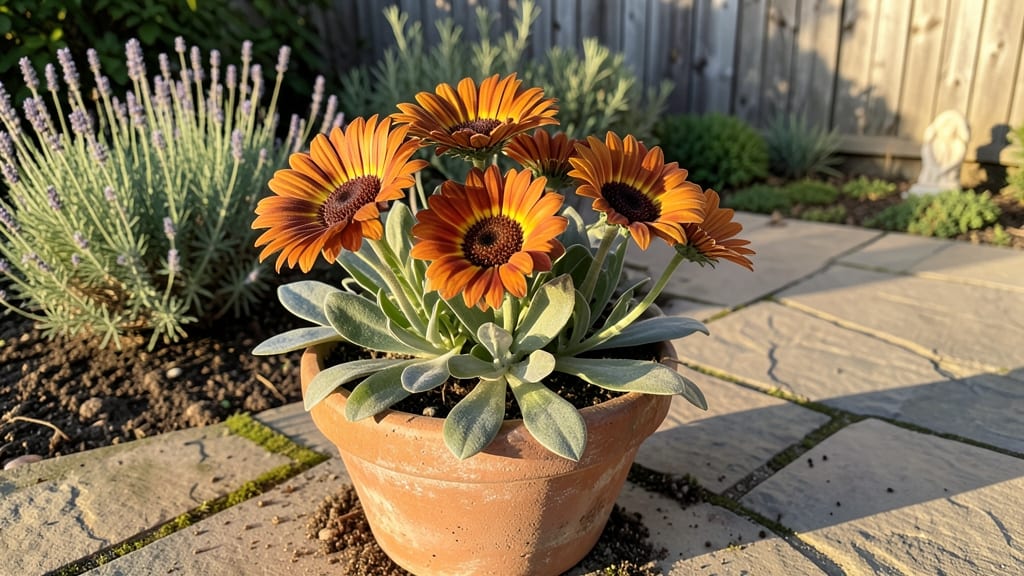
Gazania plants are not true perennials in most climates—they die back annually but reseed prolifically, returning each spring as self-sustaining annuals in temperate zones. In frost-free regions, they may persist longer but still exhibit seasonal dormancy patterns.
Gazania plants act like seasonal survivors rather than traditional perennials.
Their leaves wither when temperatures drop below 50°F, but their roots stay alive underground, ready to sprout new growth when warmth returns. 🌱 This "rest-and-regrow" cycle explains why they appear to "come back" each year without replanting—though they're not technically perennials.
In warmer climates, you might see them lasting 2-3 years before needing renewal, but true perennial status requires consistent above-ground survival through winters, which gazanias don't provide.
What makes this interesting is how gazanias outsmart traditional gardening expectations. While they don't produce woodier stems or persistent foliage like true perennials, their aggressive reseeding creates dense, self-replenishing displays. This explains why gardeners often treat them as semi-perennials—they behave like perennials in practice but lack the botanical classification.
The key difference? True perennials like lavender or coneflowers maintain their structure year-round, while gazanias reset annually through their root systems.
💡 In This Article
- Gazania Life Cycle: Why They Die Back and Regrow
- Extending Gazania Blooms: Seasonal Care for Longer Displays
Gazania life cycle: why they die back and regrow
The gazania's annual dieback isn't random—it's a precise survival mechanism triggered by temperature drops. When daytime highs fall below 55°F, the plant's leaves begin wilting as a protective response.
This isn't death but dormancy: the plant redirects energy from above-ground growth to its fibrous root system, which can survive down to 25°F when protected by mulch or soil insulation. 🌱 The roots store carbohydrates (like starches) during warm months, which fuel regrowth when temperatures rise again—a process similar to how tulip bulbs survive winter.
What sets gazanias apart from true perennials is their lack of persistent woody stems or evergreen foliage. Unlike hostas or daylilies, gazanias don't maintain any above-ground structure through winter. Instead, they rely on their 1-2 foot deep taproot system to anchor them while the rest of the plant goes dormant.
This root system can regenerate new shoots within 2-4 weeks of spring warmth, explaining why they appear to "come back" each year without replanting.
The botanical term for gazanias is "semi-perennial"—they exhibit perennial-like behavior but lack the true perennial classification. In frost-free zones (USDA zones 9-11), they may persist for 2-3 years without full dieback, but even then, they still experience seasonal dormancy during cooler winter months.
This explains why gardeners in warmer climates often treat them as perennials, while those in colder regions must replant annually.
Here's the key difference between gazanias and true perennials:
- True perennials: Maintain above-ground growth year-round (e.g., lavender, coneflowers)
- Gazania roots: Survive underground but regrow from seed or root crown each season
- Annuals: Complete entire life cycle in one season (e.g., marigolds)
The gazania's reseeding habit further complicates classification. A single plant can produce 500-1,000 seeds per season, which germinate readily in spring. This self-sustaining cycle creates dense plantings that appear perennial, even though each individual plant technically behaves as an annual in colder climates. 💫
What most gardeners don't realize is that gazanias actually have two regeneration strategies: root regrowth and seed germination. In ideal conditions, both methods work simultaneously, creating the illusion of perennial behavior. This dual approach explains why they're so resilient in disturbed soils or poor gardening conditions—where true perennials might fail.