
Plants
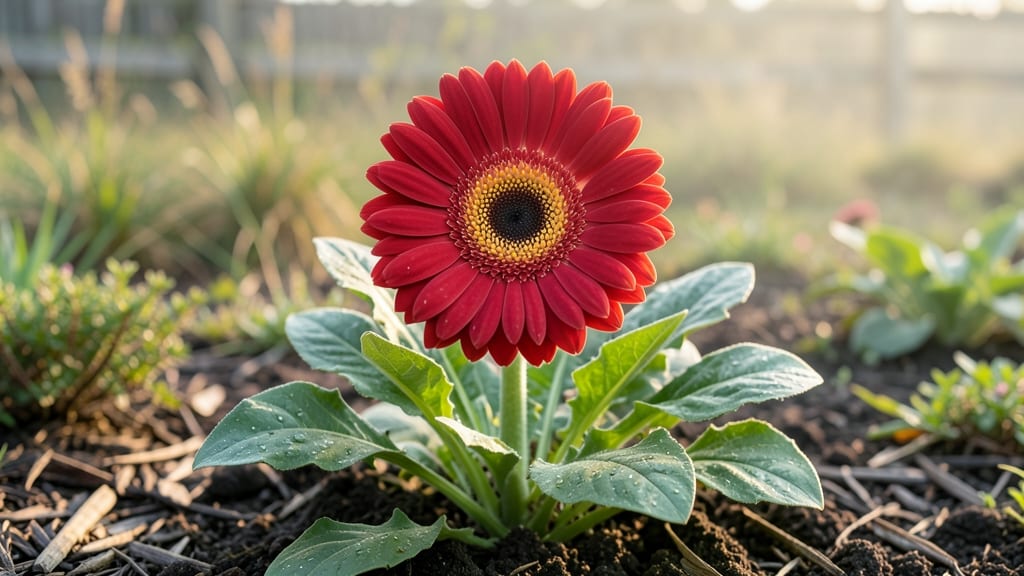
Gerbera daisies are not perennial plants in most regions—they behave like annuals, dying back to the ground in frost but regrowing from tuberous roots in warmer zones (7-11). Their seasonal blooming cycle makes them tender perennials, not hardy ones like daylilies.
These vibrant flowers store energy in underground tubers during winter, allowing them to rebound when temperatures rise. 🌸 However, in colder climates (zones 5 and below), the roots often fail to survive frost, forcing gardeners to treat them as annuals or take special overwintering steps.
The key difference lies in their hardiness—true perennials like coneflowers regrow reliably year after year, while gerberas need protected conditions to persist.
For gardeners in marginal zones, container growing with winter protection (like thick mulch or moving pots indoors) can extend their lifespan. The trade-off? They'll still require spring replanting in colder areas, but the effort often rewards you with months of bold, colorful blooms.
💡 In This Article
- Gerbera Daisy Lifecycle: Why They Act Like Annuals in Cold Climates
- Extending Gerbera Daisy Blooms: Seasonal Care by Hardiness Zone
Gerbera daisy lifecycle: why they act like annuals in cold climates
Gerbera daisies store energy in specialized underground tubers during winter, which allows them to survive frost in warmer climates (zones 7-11). These tubers act like biological batteries, storing carbohydrates and nutrients to fuel regrowth when temperatures rise above 50°F.
However, their survival depends on consistent warmth—frost penetration deeper than 4 inches can kill the tubers, triggering the dieback that makes them appear annual in colder regions.
The key difference between gerberas and true perennials lies in their cold tolerance thresholds. Hardy perennials like daylilies can withstand temperatures down to -20°F thanks to specialized cells that prevent ice crystal formation in their roots.
Gerberas, however, lack this hardiness—their tubers begin to deteriorate at 32°F, which is why they're classified as tender perennials. 🌱 This biological limitation explains why they bloom seasonally rather than year-round, even in their native South African habitats where they experience mild winters.
What's fascinating is how gerberas adapt to seasonal changes. During fall, they enter dormancy when day lengths shorten and temperatures drop below 60°F. This triggers the plant to redirect energy from leaves and stems into the tubers, which swell to 1-2 inches in diameter.
The tuber's thick, corky skin protects against moisture loss and minor frost, but prolonged cold breaks this defense mechanism. In zone 7, tubers might survive with 6+ inches of mulch, while zone 5 gardeners face near-certain dieback without protection.
Another critical factor is their native habitat's moisture patterns. Gerberas evolved in regions with distinct wet and dry seasons, which taught them to conserve water in tubers. This adaptation helps them survive drought but makes them vulnerable to frozen, waterlogged soil—a common issue in northern climates.
The combination of cold sensitivity and poor drainage tolerance explains why they struggle in zones 4 and below, where winter conditions often include both factors simultaneously.
For comparison, consider how gerberas differ from other tuberous plants like dahlias. While both store energy underground, dahlias can survive 20°F with proper mulching, whereas gerberas' tubers begin deteriorating at 32°F.
This 12°F difference in cold tolerance highlights why gerberas require more careful winter management. The trade-off for their vibrant blooms is this delicate balance between temperature and tuber health.
Understanding this lifecycle helps explain why gerberas thrive in containers—they can be moved indoors before frost hits. This simple strategy transforms their behavior from annual to perennial in colder climates, proving that their classification isn't absolute but depends on growing conditions. 💫