I spent my childhood summers digging in my grandfather’s vegetable garden in upstate New York, learning that patience and a little dirt under your nails were the real ingredients for a good harvest. Now, I’m here to share the lessons I’ve picked up over the years—whether it’s the best time to water your tomatoes, how to coax life from stubborn seeds, or why some plants just refuse to behave. This site is for anyone who’s ever wondered how to make their green thumb a little greener, with practical tips and a healthy dose of humor for the inevitable plant disasters along the way.
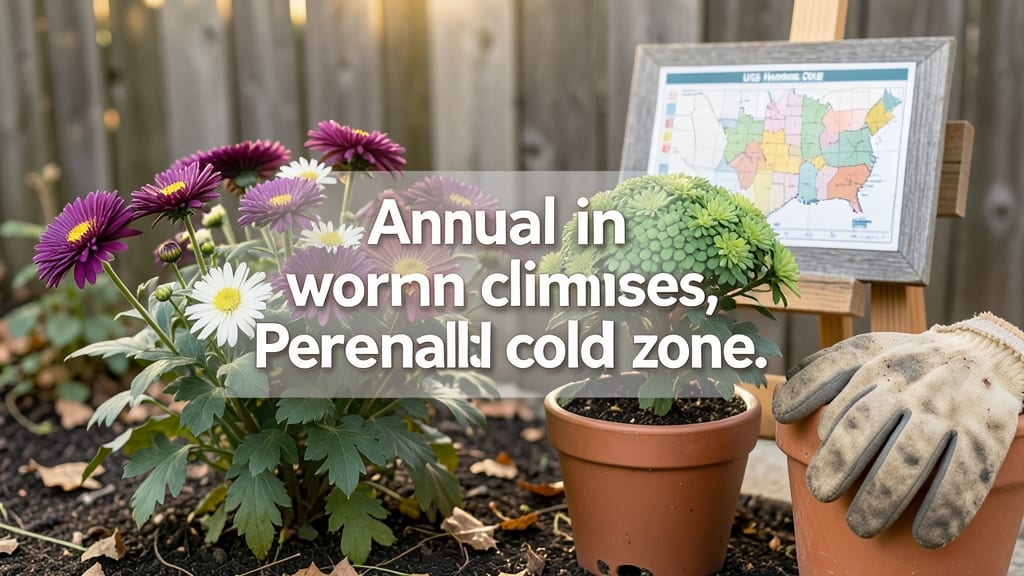
💥 Quick Answer Whether mums are annuals or perennials depends on your climate: they thrive as perennials in warm zones but are typically grown as annuals in colder areas because frost kills their foliage. Some varieties…
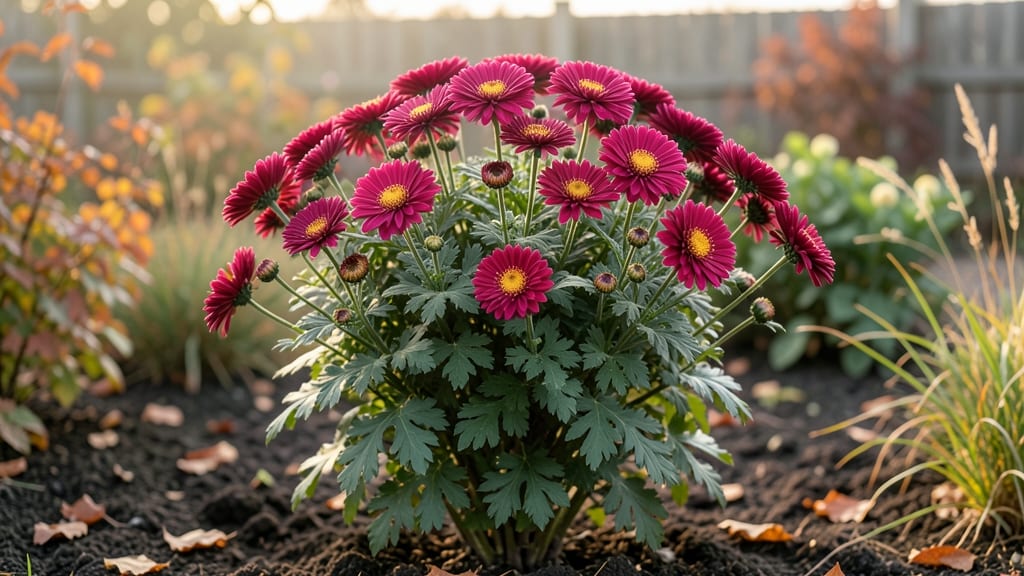
💥 Quick Answer Mums are perennials in most climates but often treated as annuals because they die back in winter. With proper care—like mulching and protecting from extreme cold—they'll regrow from their roots each…
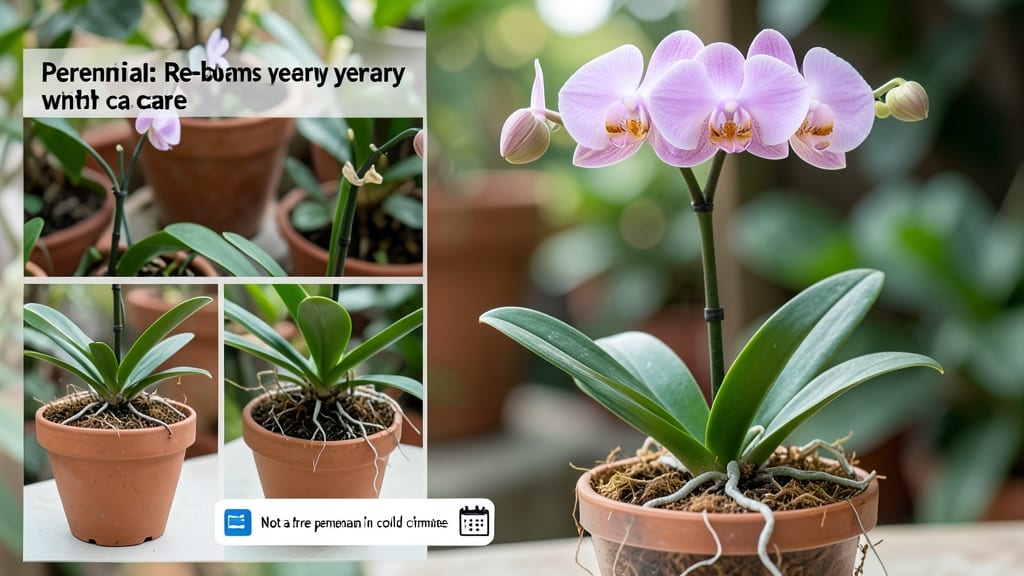
💥 Quick Answer Orchids are perennials because their specialized underground structures—rhizomes or pseudobulbs—store nutrients and moisture year-round, allowing them to regrow after seasonal dormancy. This means they…
💥 Quick Answer Pelee mums aren't true perennials—they go dormant each winter but regrow from their root system if properly cared for. Their survival depends on climate, needing extra protection like mulch in colder…
💥 Quick Answer Yes, peonies are perennial plants that thrive by returning each year after their natural dormancy period in late fall or winter, regrowing from their roots in spring. With the right care during dormancy…
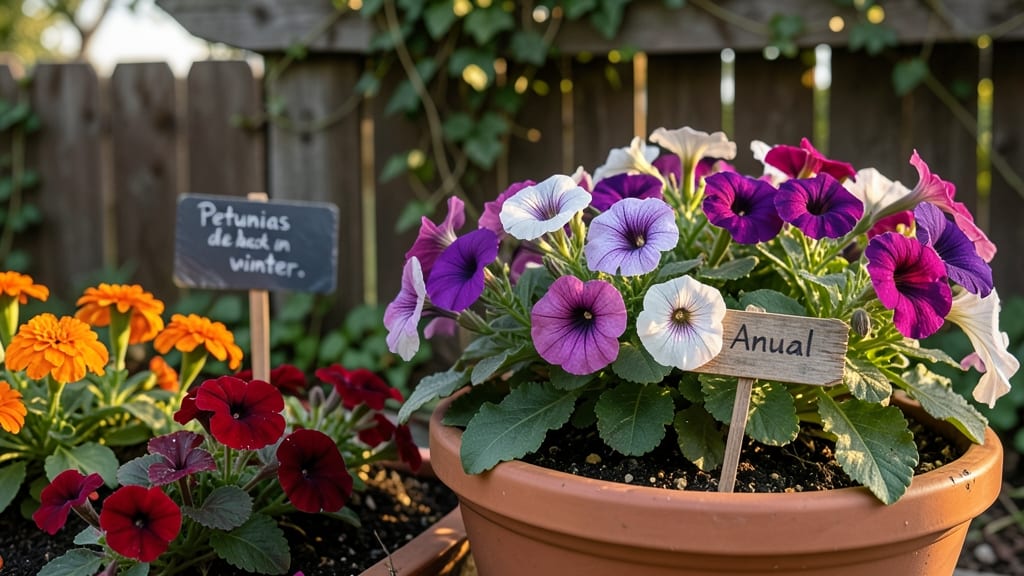
💥 Quick Answer Whether petunias are annuals or perennials depends on your climate: they act as annuals in most regions because frost kills their tender growth, but survive as perennials in frost-free USDA Zones 10-12…
💥 Quick Answer Petunias aren't perennials in most regions, though they may survive winter in warmer climates by dying back and regrowing from tubers. In cooler areas, they grow as annuals and need replanting each…
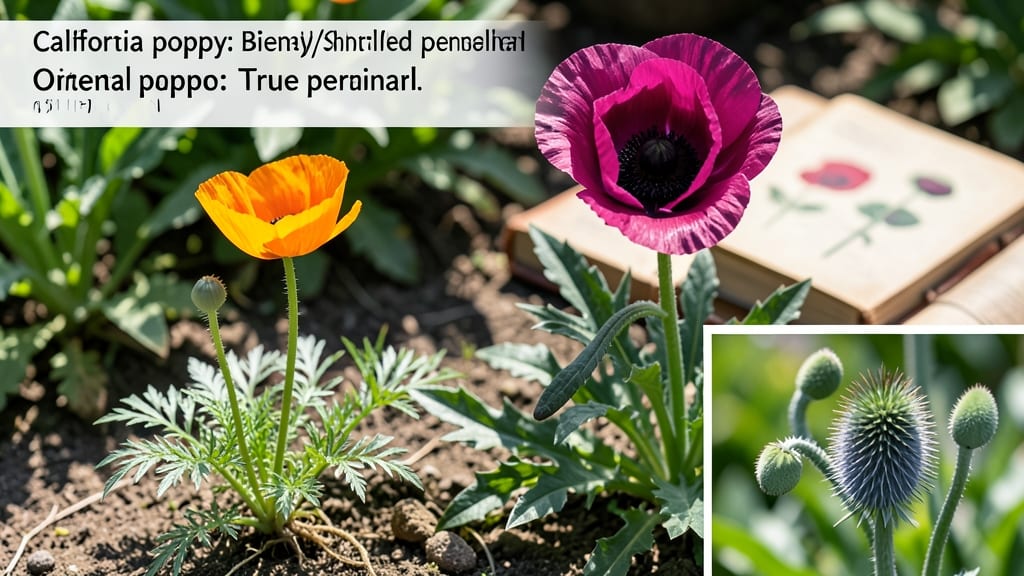
💥 Quick Answer Poppies are not true perennials—they die back annually but often self-seed prolifically, returning each year as if perennial. Most varieties, like California poppies, behave as short-lived perennials or…
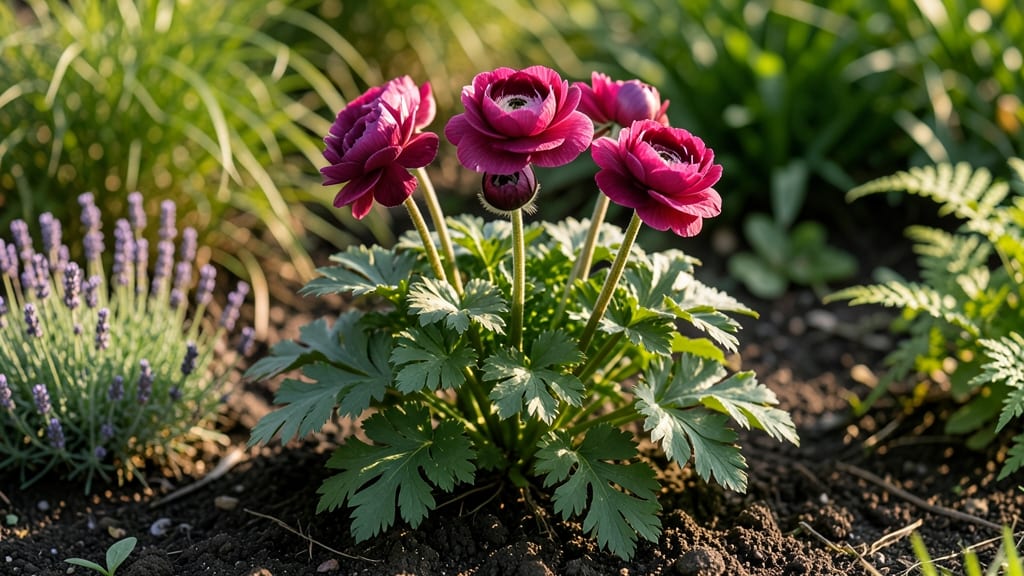
Ranunculus aren't perennials in most gardens—but they can return year after year with the right tricks. 🌸 Most growers treat them as annuals because their fleshy stems rot in cold soil, but in zones 7-10, they’ll…
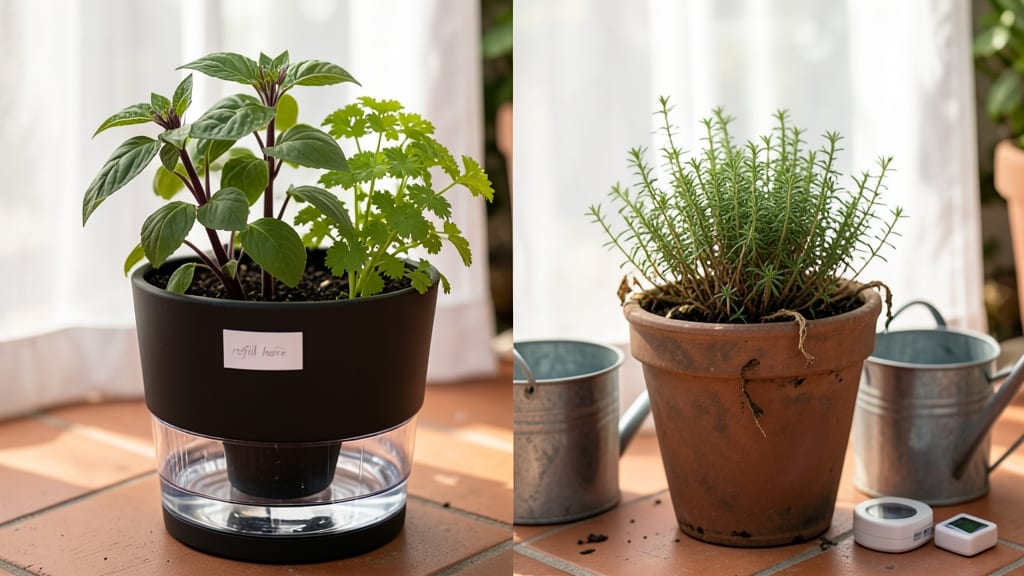
💥 Quick Answer Self watering planters are worth it for busy gardeners because they reduce watering frequency by up to 70%, prevent overwatering, and maintain consistent moisture for plants like herbs, succulents, and…