I spent my childhood summers digging in my grandfather’s vegetable garden in upstate New York, learning that patience and a little dirt under your nails were the real ingredients for a good harvest. Now, I’m here to share the lessons I’ve picked up over the years—whether it’s the best time to water your tomatoes, how to coax life from stubborn seeds, or why some plants just refuse to behave. This site is for anyone who’s ever wondered how to make their green thumb a little greener, with practical tips and a healthy dose of humor for the inevitable plant disasters along the way.
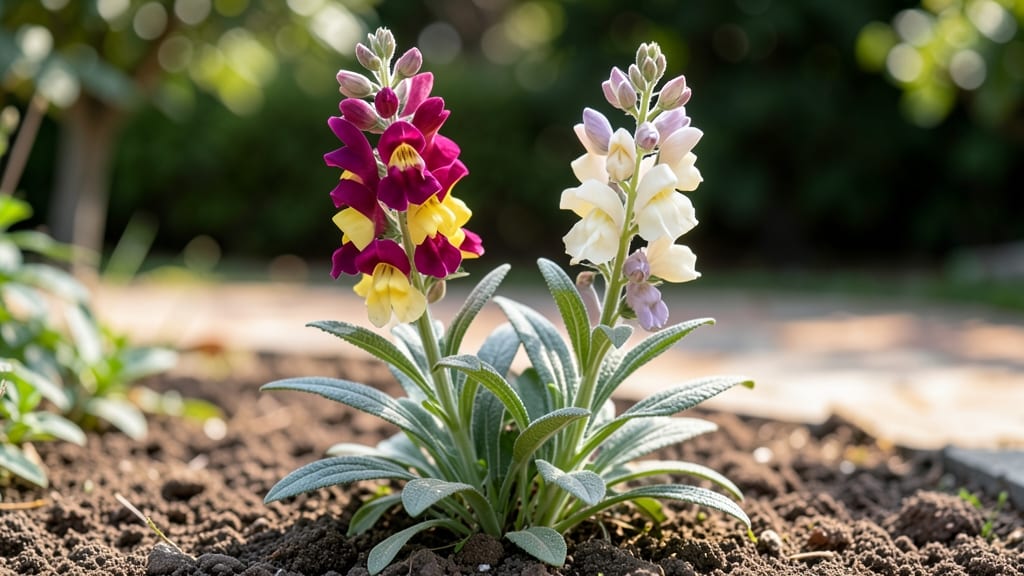
💥 Quick Answer Snapdragons aren't perennial flowers—they're biennials that complete their lifecycle in two years, though some varieties self-seed prolifically in warm climates. Most die back after flowering but can be…
💥 Quick Answer Snapdragons are not true perennials in most U.S. climates, though some varieties like Antirrhinum majus survive mild winters as short-lived perennials or self-seed annually. Cold-hardy types (e.g…
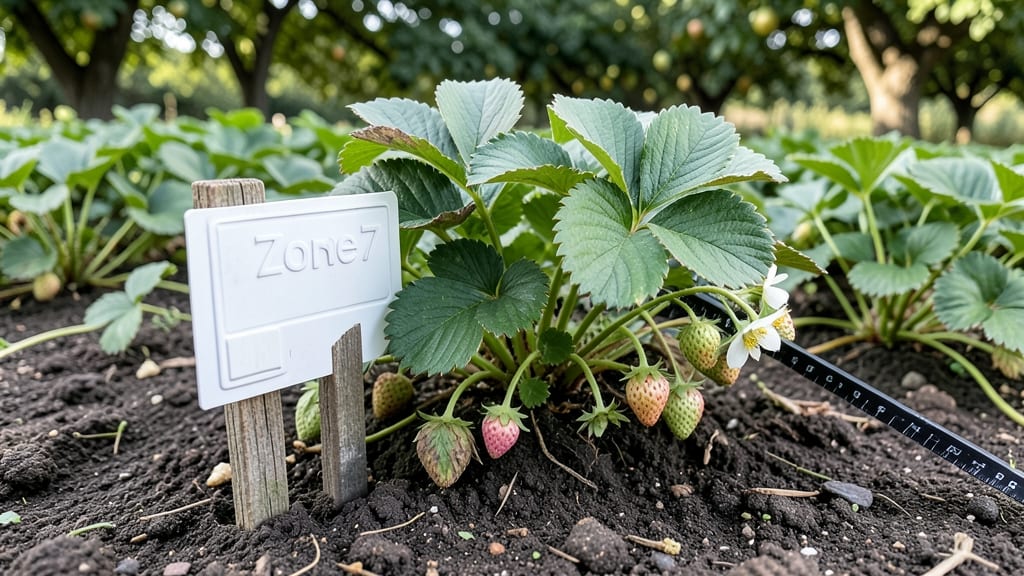
💥 Quick Answer Strawberries are perennial in Zone 7 but typically suffer winter dieback, so gardeners replant every 2-3 years for strong harvests. Cold-hardy varieties and thick mulching help them survive harsh winters…
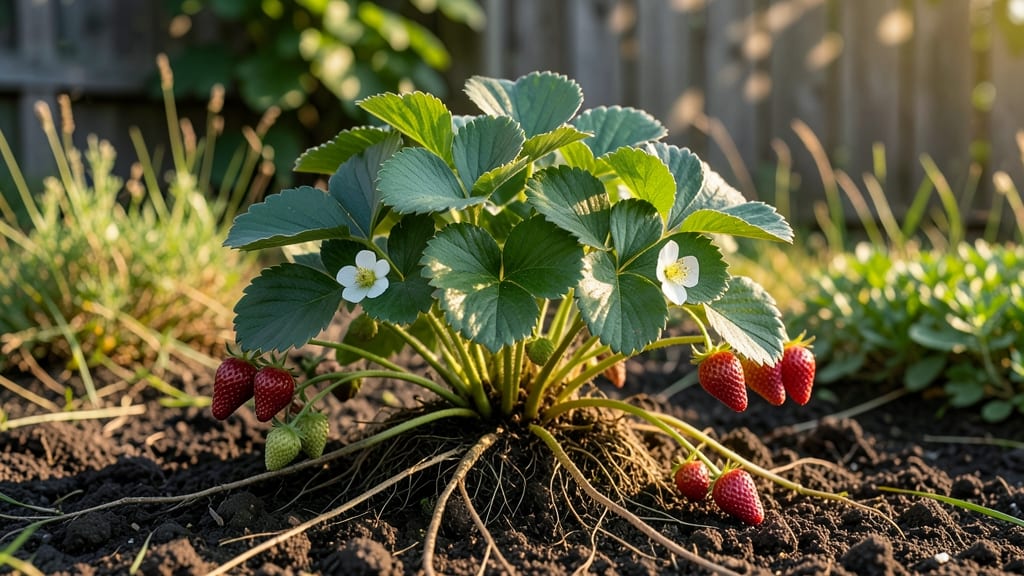
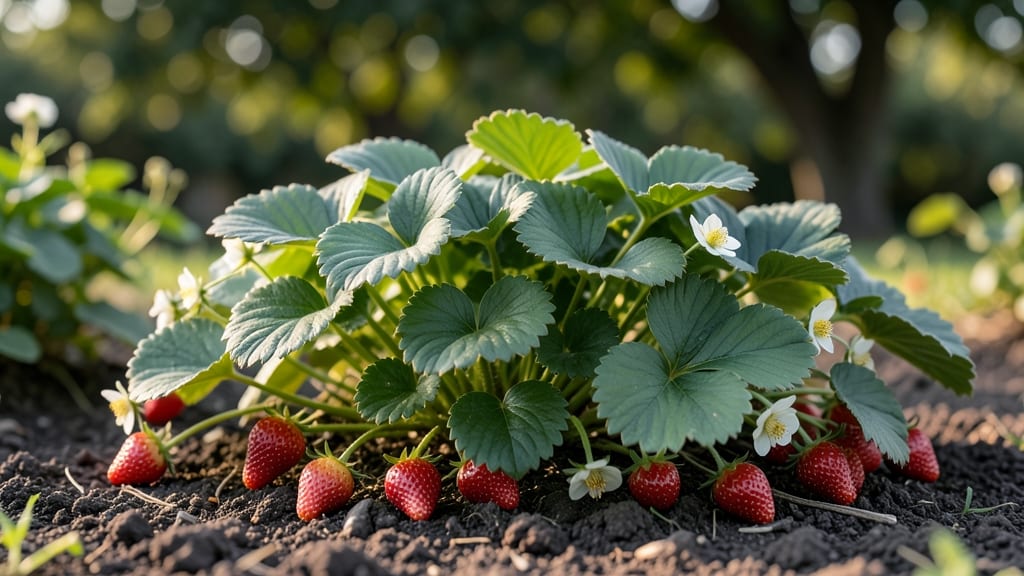
💥 Quick Answer Strawberries are perennials, thriving for multiple years through a dieback cycle where foliage dies back annually but crowns and roots persist, producing new growth each spring. Proper care extends their…
Strawberry plants are perennial powerhouses that surprise gardeners every spring—if you give them the right care. 🌱 I’ve watched mine return year after year, producing sweeter fruit with each harvest, and the secret…
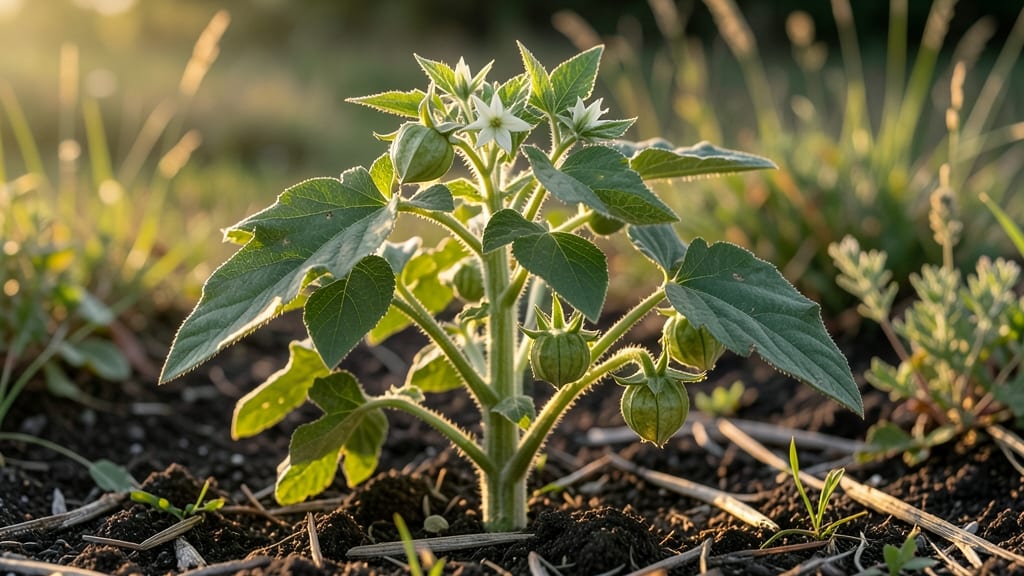
💥 Quick Answer Tomatillos aren't true perennials but act like herbaceous perennials in warm climates, where they die back to the ground each winter and regrow from their roots when temperatures climb above 50°F . In…
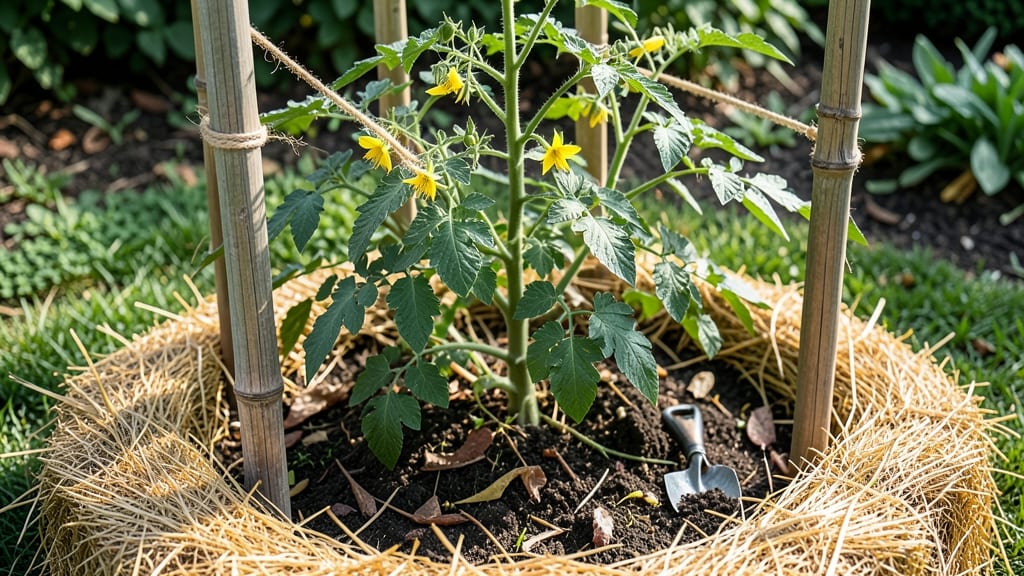
💥 Quick Answer Tomato plants are not perennial in most climates, meaning they complete their life cycle each season and die back after fruiting. However, in frost-free zones, they can sometimes regrow from the roots…
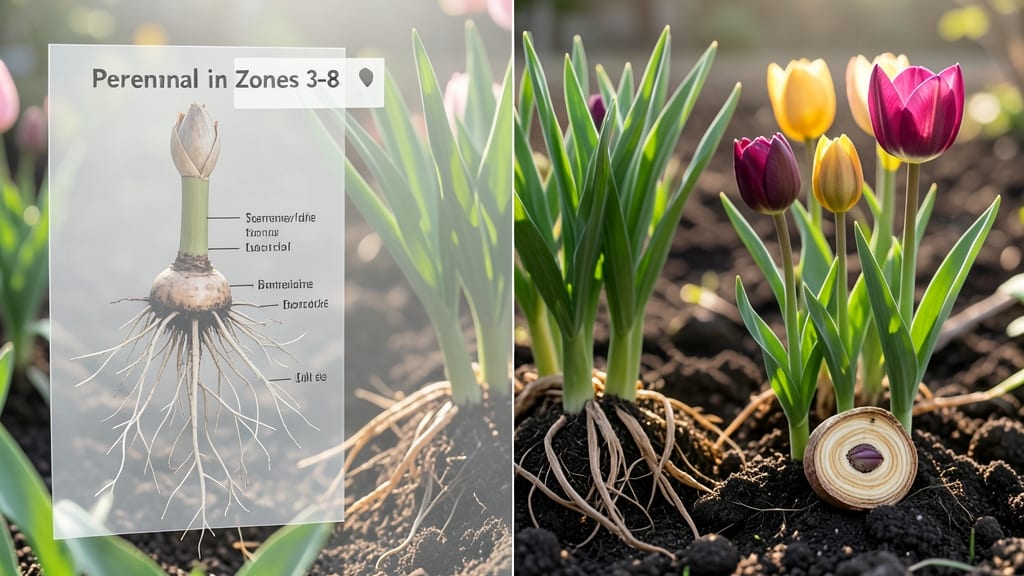
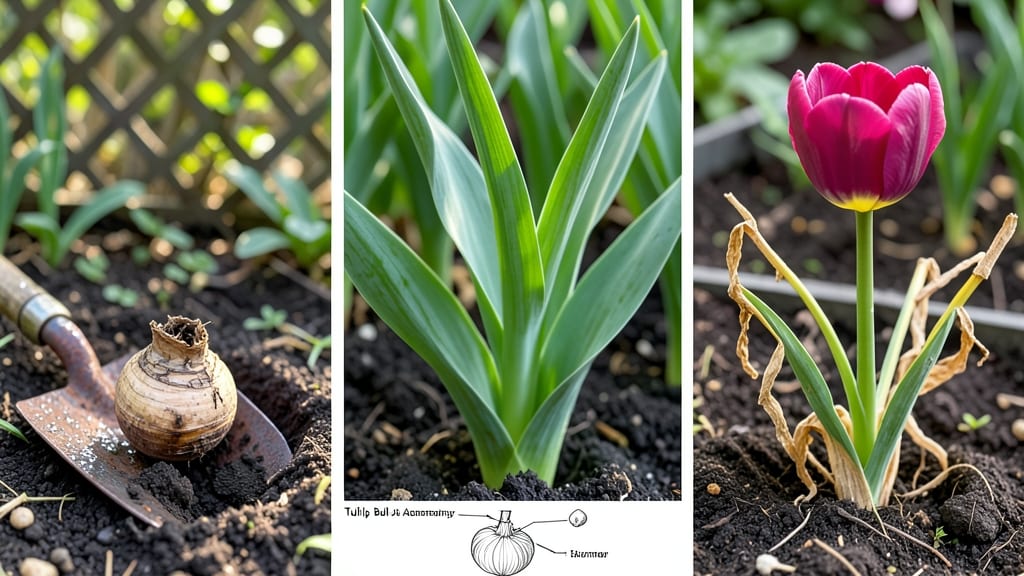
💥 Quick Answer Tulips are not true perennial plants—they lose their above-ground growth each year, but their bulbs remain dormant underground and can regrow when conditions improve. While they may appear to disappear…
💥 Quick Answer Tulips are not true perennials in most climates—they die back after flowering and require replanting each year, though some varieties may return under ideal conditions with proper care and soil…
💥 Quick Answer Zinnias are annuals in most climates, completing their lifecycle in one growing season, though some varieties may behave as short-lived perennials in frost-free regions where they self-seed prolifically…