
Orchid Care
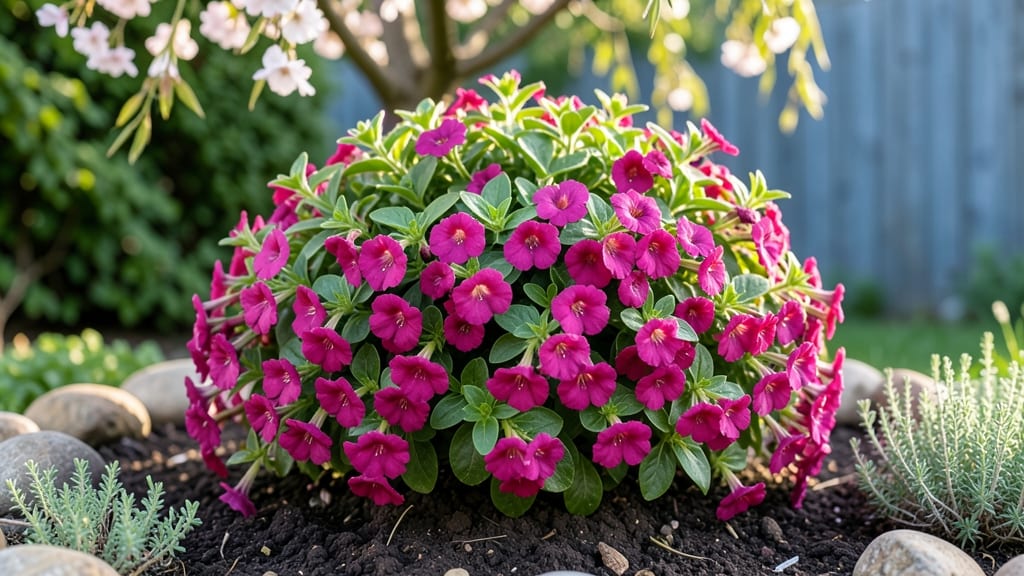
Calibrachoa SuperBells function as annuals in most regions because they can't tolerate frost, but they're actually tender perennials that can live multiple years in warm climates with the right care and protection.
These vibrant trailing plants thrive as long-lived perennials when given consistent warmth and shelter from freezing temperatures. 🌿 In frost-free zones like USDA zones 10-12, they'll reward gardeners with continuous blooms year after year if pruned regularly and kept healthy.
The key difference lies in their root systems—while they can't survive winter outdoors in colder areas, their roots remain viable if protected properly, allowing them to regrow when conditions improve.
Their perennial nature becomes most apparent in container gardening, where you can easily move them indoors during cold months. Many gardeners discover they can extend these plants' lives by 3-5 years with proper overwintering techniques, making them far more cost-effective than treating them as true annuals.
💡 In This Article
- Why Calibrachoa SuperBells Die Back in Cold Climates
- Extending Calibrachoa SuperBells’ Lifespan Through Gardening Hacks
Why calibrachoa SuperBells die back in cold climates
Calibrachoa SuperBells belong to the Solanaceae family, sharing frost sensitivity with tomatoes and peppers. Their tender nature stems from a lack of cold-hardiness in their cells, particularly in the meristematic tissues (growth points) where new leaves and stems develop.
When temperatures drop below 32°F (0°C), ice crystals form in these cells, rupturing their membranes and causing irreversible damage. Unlike hardy perennials like lavender (which can survive 10°F/-12°C), SuperBells’ roots may survive light freezes, but their above-ground growth dies back completely.
Their root systems are surprisingly resilient—capable of remaining dormant in soil for months if protected—but the shoot system lacks the protective bark or insulating hairs found in true perennials. This is why you’ll often see gardeners in colder zones replant new SuperBells each spring, mistaking them for annuals.
Even in USDA zone 8, where winters are mild, a single hard frost can trigger dormancy-like shutdowns, halting blooming until warm weather returns. 🌡️
What sets SuperBells apart from true annuals (like marigolds) is their genetic memory—their roots retain the ability to regrow if given the right conditions. This is why many gardeners report seeing new shoots emerge from the same spot year after year, even in colder climates.
The key difference lies in their growth habit: annuals complete their life cycle in one season, while SuperBells pause growth during cold snaps but can resume if protected.
Botanists classify SuperBells as tender perennials because they can live for 3-5 years in ideal conditions (warmth + protection). Their lifespan hinges on photosynthetic efficiency—when deprived of sunlight or nutrients during winter, their energy reserves deplete faster.
In contrast, true perennials like hostas store energy in rhizomes or corms, allowing them to regenerate without human intervention. SuperBells lack these storage structures, making them dependent on gardener care to survive beyond one season.
Consider this comparison: A true annual (e.g., zinnia) dies completely after frost, while a true perennial (e.g., daylily) sprouts anew from underground. SuperBells fall in between—their roots may persist, but their stems and leaves require protection to regrow.
This is why container gardening works so well: you can relocate the entire plant before frost hits, preserving both roots and shoots.
Here’s the science behind their dormancy: When temperatures drop below 50°F (10°C), SuperBells enter a physiological dormancy, similar to bulbs like tulips. Their leaves yellow and drop, but the root crown (where stems emerge) remains alive if insulated.
This is why mulching with 4-6 inches of straw or burlap wraps can buy them extra time—it mimics the microclimate they’d experience in their native tropical/subtropical habitats.