
Advice
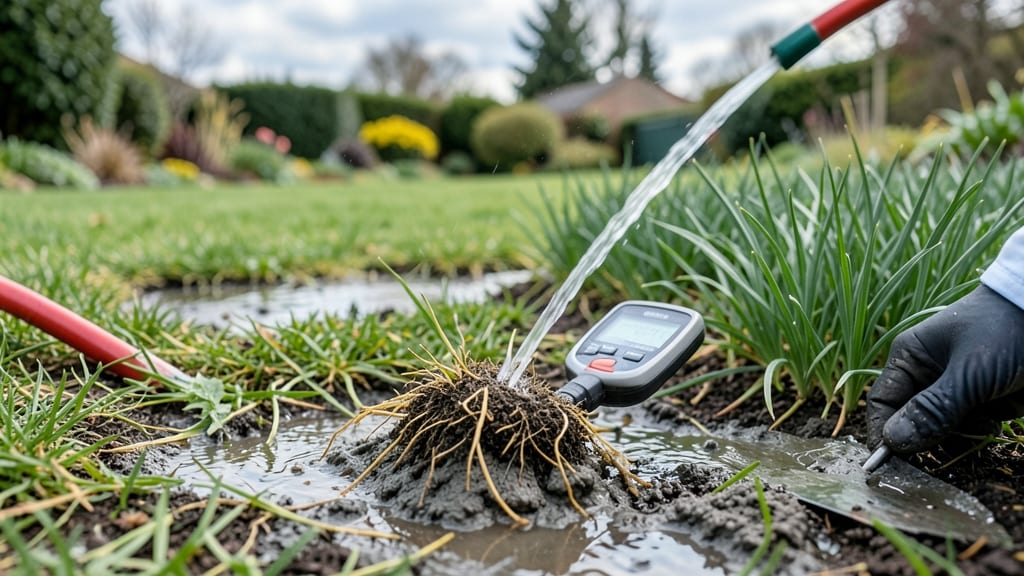
Yes, grass can be overwatered, which leads to yellowing blades, fungal infections like brown patch, and root suffocation from poor oxygen circulation. This weakens the lawn, encourages weeds, and wastes precious water—correcting watering habits and improving soil drainage can restore health.
Overwatering creates a suffocating environment where grass roots struggle to breathe, leading to anaerobic conditions that produce toxic gases like methane. 🌱 This stress weakens the plant's natural defenses, making it vulnerable to diseases and pests.
I've seen lawns go from vibrant green to patchy brown overnight after heavy, frequent watering—especially in clay-heavy soils that trap moisture. The key is checking soil moisture before watering; if the top 2-3 inches are damp, hold off until it dries slightly.
What's surprising is how quickly grass recovers when you adjust care. Aerating compacted soil and spreading compost can help roots access oxygen again. For severe cases, reducing watering to 1-1.5 inches per week (including rain) and watering deeply but less frequently works wonders.
Different grass types need different approaches—cool-season grasses like Kentucky bluegrass handle moisture better than warm-season types like Bermuda grass.
💡 In This Article
- How Overwatering Damages Grass Roots and Soil
- Signs of Overwatered Grass and Fixing It
How overwatering damages grass roots and soil
When grass receives too much water, the soil becomes saturated and oxygen levels drop dramatically, creating anaerobic conditions.
This suffocates roots because they rely on oxygen for respiration—similar to how humans need air to breathe. 🌱 In these low-oxygen environments, harmful microbes thrive, producing toxic gases like methane and ethanol that further damage root cells.
The roots essentially "drown," losing their ability to absorb water and nutrients efficiently, which is why overwatered grass often turns yellow or develops a spongy texture.
Excess moisture also triggers nutrient leaching, where vital minerals like nitrogen and potassium wash away from the root zone.
These nutrients are essential for grass growth, and their loss weakens the plant's ability to recover. 💧 For example, clay soils—already prone to compaction—hold water like a sponge, preventing oxygen from reaching roots even deeper.
This is why lawns in clay-heavy areas often suffer from chronic overwatering, even with well-intentioned watering schedules. The root zone can become waterlogged within just 24-48 hours after heavy rain or overzealous irrigation.
Fungal infections like brown patch disease flourish in these damp conditions, attacking grass blades and crowns.
The fungus thrives in temperatures between 75-85°F and high humidity, which is why warm-season grasses (like St. Augustine) are particularly vulnerable. 🍄 You’ll often see circular patches of dead or dying grass, which spread rapidly if moisture isn’t addressed.
The fungus blocks the plant’s vascular system, preventing water and nutrient transport—a process similar to how a clogged artery affects the heart. Without intervention, the grass can die back completely within weeks.
Another hidden consequence is that overwatering creates the perfect environment for weeds. Many weeds, like crabgrass or nutsedge, thrive in saturated soils where grass struggles to compete. 🌿 These weeds outcompete grass for resources, further weakening the lawn’s health.
The irony? You’re often watering more to "save" your lawn, but you’re actually inviting weeds that require even more water to control. This vicious cycle is why many lawns become a battleground between grass and weeds when overwatered.
To make matters worse, overwatering wastes resources—both water and money. A typical lawn can lose up to 4,000 gallons of water per year to runoff and evaporation from excessive watering. This isn’t just inefficient; it’s harmful to local water tables and ecosystems.
The key to reversing this damage lies in understanding your soil type, grass species, and climate—each plays a critical role in determining how much water your lawn truly needs.