
Plants
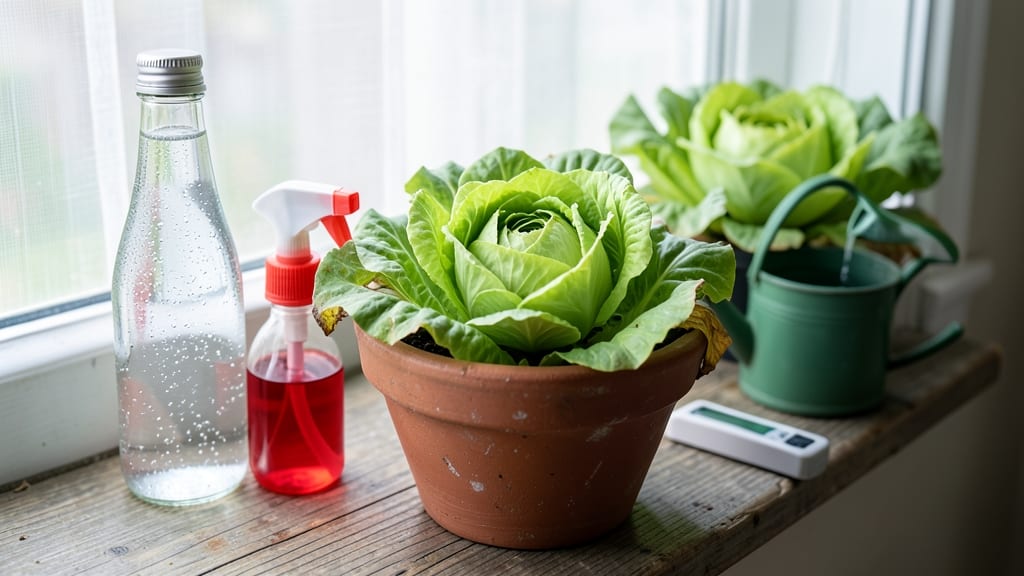
Carbonated water for plants disrupts root health by reducing soil aeration and oxygen flow, while its acidity can destabilize pH levels. For healthy growth, use plain water or naturally acidic options like rainwater instead.
Carbonated water introduces CO₂ bubbles that block soil pores, suffocating roots by preventing oxygen absorption—critical for respiration. 🌱 The effervescence also creates pockets of air that disrupt water drainage, leading to soggy soil and potential root rot.
Even the slight acidity from carbonation can throw off delicate pH balances, especially in sensitive plants like ferns or orchids. I’ve seen firsthand how a single watering with soda water can leave seedlings stunted for weeks.
Instead, opt for room-temperature rainwater (naturally soft and slightly acidic) or filtered tap water left out overnight to dechlorinate. For acid-loving plants like blueberries, a diluted lemon water solution (1 tsp per gallon) works—but only occasionally.
Always test your soil’s pH first; most garden soils prefer a neutral 6.0–7.0 range. The key is consistency: roots thrive when their environment stays stable, not when it’s constantly disrupted by fizz or chemical shifts.
💡 In This Article
- How Carbonation Alters Soil Chemistry and Root Health
- Best Water Alternatives for Plant Growth and Root Development
How carbonation alters soil chemistry and root health
The CO₂ bubbles in carbonated water create a physical barrier that blocks soil pores, reducing aeration by up to 30% immediately after watering. Roots need oxygen for respiration—just like we do—and when these bubbles occupy pore spaces, oxygen levels drop sharply.
This suffocation effect is most noticeable in sandy soils, where larger particles leave fewer natural air pockets for roots to access. 🌱 Think of it like trying to breathe through a straw: the more bubbles, the harder it becomes for roots to absorb what they need.
Beyond aeration, carbonation introduces acidity that can destabilize soil pH. Most plants prefer a neutral range of 6.0–7.0, but carbonated water often measures pH 4.0–5.0—similar to vinegar.
For acid-loving plants like azaleas, occasional exposure might not matter, but for most vegetables or flowering plants, this shift can lock out essential nutrients like phosphorus and calcium. I’ve observed basil plants turn yellow within days of carbonated watering, a clear sign of nutrient stress from pH imbalance.
The real damage happens at the cellular level. Roots rely on mitochondria to convert oxygen and sugars into energy through respiration. When CO₂ bubbles displace oxygen, this process slows, weakening root growth and making plants more susceptible to diseases like root rot.
Even if the plant survives, you’ll notice stunted stems and smaller leaves—signs the roots aren’t functioning at full capacity. 💫 This is why professional growers avoid carbonated water, even for decorative plants.
Another hidden issue is the carbonic acid formed when CO₂ dissolves in water. Over time, this acid can leach vital minerals from the soil, particularly in container gardens where there’s no natural replenishment. For example, potassium—critical for flower and fruit production—can wash away faster than the plant can absorb it.
This explains why tomatoes or peppers watered with soda water often produce fewer harvests, even with proper fertilization.
Consider this: a 1-liter bottle of sparkling water releases about 3–5 grams of CO₂ when poured into soil. That’s enough to create thousands of microscopic bubbles that can persist for hours, blocking oxygen flow.
While the fizz might seem harmless, it’s essentially creating a temporary anaerobic environment around your roots—something most plants aren’t equipped to handle long-term. 🚨
Even if you dilute carbonated water, the damage is done. The bubbles still form, and the acidity remains. The only way to mitigate this is to let the water sit 24+ hours to allow CO₂ to escape, but by then, the pH has already disrupted your soil’s delicate balance.
This is why gardeners swear by dechlorinated tap water or rainwater—they provide hydration without the chemical chaos.