
Watering
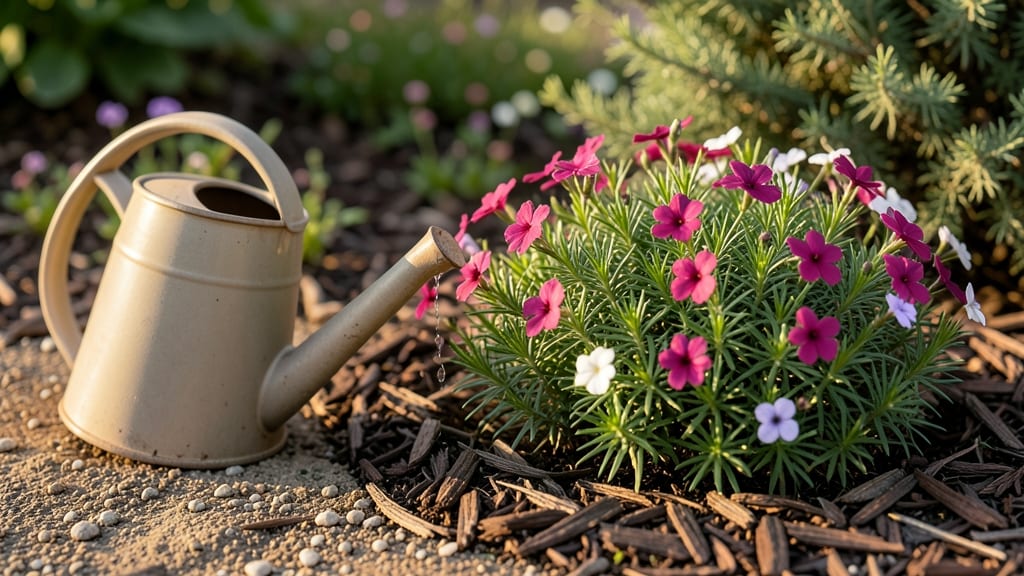
Creeping phlox thrives with the right water requirements—moderate moisture keeps it lush without risking soggy roots.
Struggling to keep your creeping phlox thriving? The right watering routine can mean the difference between vibrant, year-round blooms and wilted, struggling plants—here’s the science-backed moisture balance you need.
Most gardeners overdo it, thinking more water equals more flowers. But creeping phlox 🌸 actually prefers consistent, even moisture rather than heavy soaking. Too much water leads to root rot, while too little causes drought stress and faded blooms.
Below, I’ll break down the exact watering schedule by season, how to check soil moisture, and the three key signs your creeping phlox is thirsty—or drowning. No guesswork, just healthy plants.


Ideal watering schedule for creeping phlox by season
Creeping phlox thrives on a consistent moisture balance, but getting it right depends entirely on the season and climate. Too little water causes wilting and sparse blooms, while too much leads to root rot and fungal diseases.
The key is adjusting your watering routine to match temperature fluctuations and rainfall patterns—not just following a rigid schedule.
In my Zone 6a garden, I’ve learned that creeping phlox adapts beautifully to seasonal changes when given the right care. Spring and fall are the most critical periods for establishing root growth, while summer heat demands more frequent but shallow watering.
Even winter dormancy requires occasional moisture checks to prevent desiccation.
Here’s how I adjust watering based on seasonal needs, including soil moisture tests and frequency tweaks to keep your creeping phlox lush and blooming:
| Season | Watering Frequency | Depth per Session | Soil Moisture Goal | Key Adjustments |
|---|---|---|---|---|
| Spring (March-May) | Weekly (every 5-7 days) | 1-2 inches deep | Moist but not soggy | Increase if drought stress appears (wilting leaves) |
| Summer (June-August) | Every 3-5 days (early morning) | ½-1 inch shallow | Topsoil slightly dry | Reduce if heavy rain occurs; mulch to retain moisture |
| Fall (September-Nov) | Bi-weekly (every 10-14 days) | 1 inch deep | Even moisture | Stop watering when frost risk appears |
| Winter (December-Feb) | Monthly (if no snow) | Light misting | Minimal moisture | Only water if soil feels completely dry 2 inches down |
For spring watering, focus on deep, slow soaking to encourage root development. Use a moisture meter or the finger test—insert your finger 2 inches into the soil.
If it feels dry, water thoroughly until moisture reaches 4-6 inches deep. This season is all about revitalizing roots after winter dormancy.
During summer’s peak heat, creeping phlox enters a semi-dormant state. Here, shallow watering is key—avoid deep soaking, which can drown roots. Water early in the morning (before 8 AM) to reduce evaporation and fungal risks.
If your area experiences consistent 90°F+ days, consider drip irrigation to maintain steady moisture without wetting foliage.
Fall is when I taper watering gradually. By late September, creeping phlox begins storing energy for winter. Reduce frequency to bi-weekly and stop entirely once frost threatens. Overwatering now can weaken stems and invite rot diseases like Phytophthora.
Winter care is often overlooked, but creeping phlox still needs minimal moisture in snow-free zones. A light misting every 4-6 weeks prevents desiccation. If your region gets heavy snow cover, no additional watering is needed—the snow acts as natural insulation and hydration.
Pro tip: Always water at the base of the plant, not overhead. This reduces disease risk and ensures roots—not leaves—get the hydration they need. Pair your watering routine with 2-3 inches of organic mulch (like shredded bark) to lock in moisture and regulate soil temperature.
Watch for yellowing leaves or mushy stems—these are red flags for overwatering. Conversely, crispy leaf edges or wilting despite soil moisture signals drought stress. Adjust your schedule weekly based on these visual cues, and your creeping phlox will reward you with vibrant, year-round blooms.
Signs of overwatering vs. underwatering in creeping phlox
Creeping phlox thrives on a precise moisture balance, and even small watering mistakes can lead to plant stress. Yellowing leaves or mushy stems often signal overwatering, while dry, crispy foliage and wilting blooms scream underwatering. The key is learning to read your plant’s signals before damage sets in.
Start by checking the soil moisture—stick your finger 1-2 inches deep. If it feels damp, hold off on watering. If it’s bone-dry, your creeping phlox needs hydration. Root rot from overwatering is silent but deadly, while underwatering causes stress that weakens the plant’s defenses against pests and disease.
Visual cues are your best early warning system. Dark, soggy soil around the base paired with yellowing leaves that stay limp even when watered? That’s overwatering. Curling leaves or brown leaf edges in dry conditions? That’s underwatering. Both extremes disrupt the root-to-leaf water transport creeping phlox relies on.
Overwatering vs. Underwatering in Creeping Phlox
Overwatering ⚠️
- Yellow leaves (especially lower)
- Mushy stems at base
- Soggy soil that stays wet
- Fungal spots on foliage
Underwatering 💧
- Dry, crispy leaves
- Wilting blooms even when watered
- Dusty, dry soil at surface
- Slow growth or no new blooms
When you spot overwatering signs, act fast. Stop watering immediately and let the soil dry out completely. Avoid soggy conditions by amending the soil with perlite or sand to improve drainage. For underwatered creeping phlox, water deeply at the base of the plant in the morning to reduce evaporation.
Mulching is your secret weapon against moisture extremes. A 2-3 inch layer of organic mulch like shredded bark or straw helps retain soil moisture while preventing water from evaporating too quickly. This simple step can cut your watering frequency by 30-50% while keeping roots happy.
Remember, creeping phlox prefers consistent moisture but hates soggy feet. Check soil moisture before watering—your fingers are the best tool you have. With these visual cues and corrective actions, your creeping phlox will reward you with lush foliage and nonstop blooms all season long. 🌸