
Flowers
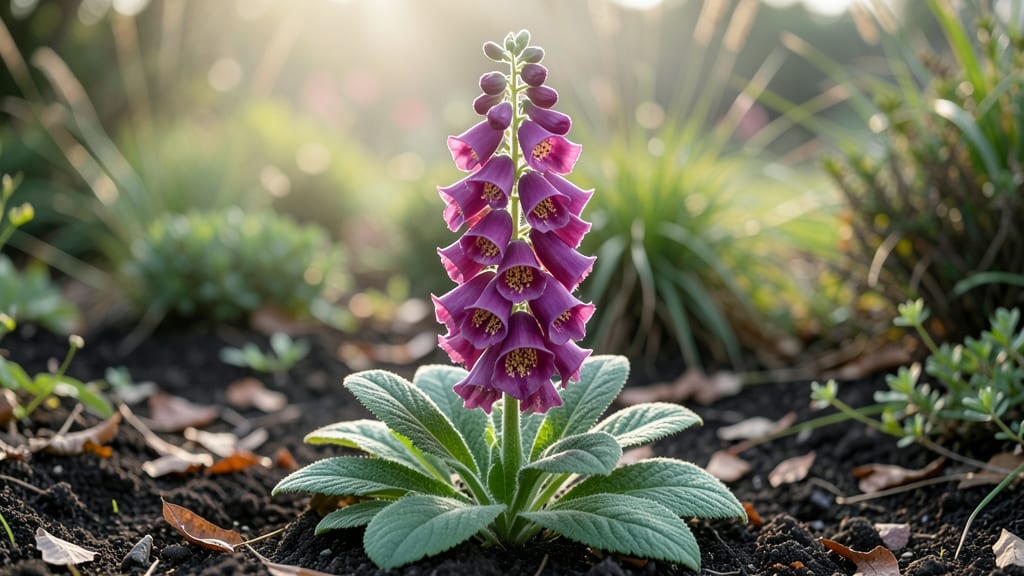
Growing the digitalis perennial foxglove that thrives year after year is like unlocking a secret garden treasure—tall, dramatic blooms that return stronger every spring. 🌿 I once thought foxglove was strictly a biennial, but these hardy varieties prove it wrong with their frost-defying resilience and repeat performances.
The key? Choosing the right cultivar and giving them the right conditions from day one. Most gardeners fail foxglove because they treat it like a delicate annual—too much water, too much shade, or planting in heavy clay soil.
These perennials actually love partial sun to light shade, well-draining soil, and a consistent water schedule that keeps roots moist but never soggy. Once established, they’ll reward you with 6-foot spikes of bell-shaped blooms that hummingbirds adore.
What makes these foxgloves special is their natural reblooming habit after their first flush of flowers. With proper deadheading and a light layer of mulch in winter, they’ll surprise you with new growth when others are still dormant.
The foliage even has a subtle, slightly sweet scent that lingers in the breeze. For best results, plant in fall or early spring when soil temperatures are cool.
Divide clumps every 3-4 years to prevent overcrowding, and watch as they fill your garden with shockingly lush vertical interest that no other perennial can match. Ready to grow yours?
📚 In This Guide
- What you need
- Instructions
- Tips and common mistakes
- Wrapping up and next steps
What you need
- ● Digitalis seeds or nursery-grown plants: Choose Digitalis purpurea (common foxglove) or Digitalis grandiflora (yellow foxglove) varieties.
- ● If starting from seed: 1 packet (50-100 seeds) for a small patch.
- ● If using transplants: 3-5 mature plants for a well-established look.
- ● Well-draining soil: Mix 1 part compost with 2 parts garden soil for optimal growth.
- ● Ensure pH is 6.0-7.0 (neutral to slightly acidic).
- ● Sunlight exposure: Partial shade (4-6 hours of sunlight/day) is ideal, especially in hot climates.
- ● Avoid full sun in scorching regions to prevent wilting.
- ● Watering supplies: Watering can or hose with a gentle spray nozzle (foxglove dislikes soggy roots).
- ● Garden trowel or transplanting spade (for planting seeds or dividing clumps).
- ○ Mulch (optional): 2-3 inches of shredded bark or straw to retain moisture.
- ○ Fertilizer (optional): A balanced 10-10-10 fertilizer (apply lightly in spring).
- ● Compost tea for organic enrichment.
- ○ Stakes or cages (optional): Tall varieties may need support in windy areas.
- ○ Pruners (optional): For deadheading spent blooms to encourage reblooming.
How to establish hardy perennial foxglove in your garden
Here's my battle-tested approach to growing Digitalis that thrives year after year without summer wilting or winter dieback.
🌱 Step 1: Select the Right Site and Soil Conditions
Choose a location with partial shade to full sun, but protect plants from harsh afternoon rays in hot climates. I always test soil pH first—foxglove thrives in 6.0-7.0 range. If your soil tests acidic, amend with crushed limestone to raise the pH gradually over a few months.
Dig in 2-3 inches of compost mixed with 1 cup of bone meal per planting hole to provide phosphorus for strong root development. The reason for bone meal? Foxglove roots are shallow and need phosphorus to establish quickly before winter. Work the amendments into the top 12 inches of soil where most roots will grow.
🪴 Step 2: Prepare Planting Holes and Transplant Carefully
Dig holes twice as wide as the root ball but only as deep as the container height. Never plant deeper than the root flare—foxglove hates having its crown buried. Gently remove plants from containers and tease apart any circling roots with your fingers. You'll see the roots are fibrous and delicate, so handle them like you would a houseplant.
Place each plant in its hole and backfill with native soil mixed with a handful of compost. Water deeply until moisture reaches 6 inches down. I like to add 1 tablespoon of mycorrhizal fungi to each hole—this helps roots establish symbiotic relationships with soil microbes, which foxglove particularly benefits from in cooler climates.
☀️ Step 3: Establish Watering Routine for First Season
Water newly planted foxglove twice weekly for the first 4-6 weeks, keeping the soil consistently moist but never soggy. You'll know it's right when the top 2 inches of soil feel damp to touch but not dripping. Too much water causes crown rot, while too little leads to stunted growth—both are common mistakes with this perennial.
After establishment, reduce watering to once weekly during dry spells, focusing on deep watering that encourages roots to grow downward. Mulch with 2-3 inches of shredded bark to retain moisture and protect roots from temperature swings. Here's the thing—foxglove's native to European woodlands where summers are mild, so it doesn't handle our hot, dry spells well.
✂️ Step 4: Prune Strategically for Winter Hardiness
After flowering, cut back stems to 6 inches above ground level using clean, sharp pruners. This prevents seed formation (which saps energy) and encourages next year's blooms. I always sterilize my pruners with rubbing alcohol between cuts to prevent disease transmission—foxglove is susceptible to powdery mildew in humid summers.
Leave the lower leaves intact—they photosynthesize even in cooler weather and build stored energy for next spring. In fall, add 1 inch of compost around the base and a light top dressing of 5-10-10 fertilizer to support root growth before dormancy. The key is timing: apply fertilizer 6-8 weeks before first frost so roots have time to process nutrients before winter.
⏰ Step 5: Winter Care for Reliable Reblooming
Foxglove handles frost beautifully, but young plants (first year) need 3-4 inches of mulch to protect crowns. Use straw or shredded leaves—never fresh grass clippings, which mat down and suffocate roots. In extremely cold climates (Zone 4 and below), add an extra layer of burlap over the crown and remove it in early spring.
I find the most reliable rebloomers are those that get partial shade in summer and full sun in spring/fall. This mimics their woodland native habitat where they get dappled light. Watch for new growth in early spring—it emerges 4-6 weeks before last frost—and remove winter mulch as soon as you see shoots to prevent rot.
Tips & tricks for perfect Digitalis perennial foxglove establishment
These battle-tested insights will help you avoid common pitfalls and create thriving foxglove that reblooms reliably every season.
Soil Preparation Secret: When amending your soil with the 2-3 inches of compost and 1 cup of bone meal per planting hole, mix these amendments into the top 12 inches of soil—not just the surface. Foxglove's shallow roots need phosphorus-rich soil throughout their growing zone. I like to use a broadfork to loosen the soil without disturbing the soil structure too much, creating ideal conditions for root expansion.
Root Care Technique: The delicate fibrous roots of foxglove are easily damaged, so handle them with care when transplanting. After loosening the root ball from its container, gently tease apart any circling roots with your fingers—this encourages outward growth rather than root-bound development. Think of it like untangling a head of hair: patience prevents damage. The 6-inch deep watering after planting ensures these roots establish quickly in their new home.
Watering Wisdom: During those first 4-6 weeks, the twice-weekly watering schedule is non-negotiable for foxglove establishment. Use your finger to check soil moisture—it should feel like a damp sponge at the 2-inch depth. I've found that morning watering prevents fungal issues that can arise from evening moisture retention. For the weekly watering after establishment, focus on deep watering that encourages roots to grow downward rather than staying shallow.
Pruning Precision: When cutting back stems to 6 inches above ground level after flowering, use sharp pruners and make clean cuts at a 45-degree angle. This prevents water from pooling on the cut stem, which can lead to rot. The lower leaves you leave intact are crucial—they continue photosynthesizing even in cooler weather, building stored energy for next spring's blooms. I always sterilize my pruners between cuts to prevent spreading powdery mildew, which foxglove is particularly susceptible to.
Pro Tips for Digitalis Perennial Foxglove
- These battle-tested insights will help you avoid common pitfalls and create thriving foxglove that reblooms reliably every season.
- Soil Preparation Secret: When amending your soil with the 2-3 inches of compost and 1 cup of bone meal per planting hole, mix these amendments into the top 12 inches of soil—not just the surface.
- Root Care Technique: The delicate fibrous roots of foxglove are easily damaged, so handle them with care when transplanting.
Frequently asked questions
Got questions about growing and caring for Digitalis purpurea (perennial foxglove)?
Here are some of the most common ones—plus expert answers to help you cultivate these striking, frost-resistant beauties with confidence!
Can foxglove survive winter in my hardiness zone?
Yes! Perennial foxglove (Digitalis purpurea) is one of the hardiest plants, thriving in USDA Zones 3–9. Once established, it often self-seeds and returns year after year, even after frost. Just ensure it’s planted in well-draining soil and a semi-shaded spot to prevent rot.
How long does it take for foxglove to bloom after planting?
Patience is key! Seeds may take 6–12 months to germinate, with blooms appearing in the second year if grown from seed. If you plant mature starts, expect flowers in 6–8 weeks during late spring or early summer. Pro tip: Deadhead spent blooms to encourage a second flush of flowers later in the season!
Is foxglove toxic to pets or children?
Yes, foxglove is highly toxic
if ingested. All parts of the plant—especially the seeds and leaves—contain cardiac glycosides, which can cause severe illness or even fatality in pets and humans. Keep it in pet-free areas or wear gloves when handling. If accidental exposure occurs, contact a vet or poison control immediately.
Can I grow foxglove in containers?
Foxglove adapts well to containers (12+ inches deep) as long as the pot has drainage holes and you use moist, well-draining potting mix. Choose a wide-mouthed pot to accommodate its tall, clumping habit (up to 5 feet!). Just remember to water consistently—containers dry out faster than garden beds.
What can I do if my foxglove isn’t reblooming?
Try these fixes:
- Deadhead spent blooms regularly to redirect energy to new growth.
- Ensure it gets partial shade—too much sun can stress the plant.
- Fertilize lightly in early spring with a balanced 10-10-10 formula.
- Check for pests (slugs, aphids) or fungal diseases (like powdery mildew).
Wrapping up and next steps
From its striking beauty to its resilience against frost, digitalis perennial foxglove is a dream for gardeners seeking drama and durability. Whether you're drawn to its whimsical charm or its low-maintenance nature, this plant proves that stunning blooms don’t require constant care—just a little love and the right conditions.
Ready to transform your garden? Start small: plant a few foxglove clumps this season and watch your outdoor space thrive with effortless elegance! 🌿✨