
Watering
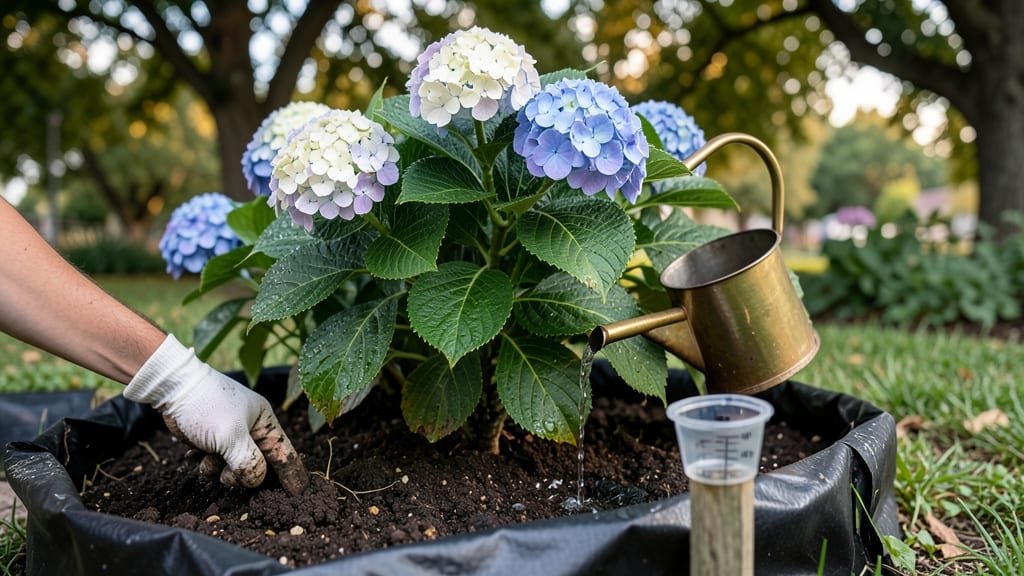
Do hydrangeas need a lot of water to thrive? Absolutely—but their watering needs shift dramatically with the seasons, more than you might expect.
If you’ve ever wondered why your 🌸 hydrangeas look droopy or fail to bloom, watering might be the culprit—or the solution. Unlike many plants, these beauties crave a delicate balance, and getting it wrong can mean the difference between lush blooms and sad, wilted leaves.
In spring and summer, hydrangeas drink up to 1-2 inches of water per week, but clay soil or containers can dry them out faster. Meanwhile, fall and winter slow their thirst, and overwatering becomes just as dangerous as letting them dry out.
Below, I’ll break down the exact watering schedule for each season, how to spot over- or underwatering, and the simple tricks to keep your hydrangeas thriving—no guesswork required.


How much water hydrangeas actually need (seasonal breakdown)
Hydrangeas are often labeled as "high-maintenance" because of their water requirements, but the truth is far more nuanced. While they do love moisture, overwatering is just as damaging as underwatering.
The key lies in understanding how their needs change with the seasons and adjusting accordingly. Unlike succulents or cacti, hydrangeas can't store water efficiently, so consistent moisture is crucial—but not drowning.
Your hydrangea’s water needs also depend on whether it’s planted in the ground or a container. Potted hydrangeas dry out faster because their roots have less access to moisture in the soil below.
Meanwhile, in-ground plants benefit from natural soil moisture retention, especially in clay-heavy or organic-rich soils. Let’s break down exactly how much water hydrangeas need each season and how to adapt your care routine.
| Season | Watering Frequency | Soil Moisture Goal | Special Notes |
|---|---|---|---|
| Spring | Every 2-3 days | Consistently moist | Encourages root growth and bud formation |
| Summer | Daily or every other day | Deeply moist | Critical during heatwaves; mulch helps retain moisture |
| Fall | Every 3-5 days | Moderately moist | Reduce watering as temps drop; prepare for dormancy |
| Winter | Bi-weekly | Lightly moist | Only water if soil is completely dry; avoid soggy roots |
| Potted Hydrangeas | Every 1-2 days (year-round) | Consistently moist | Containers dry out faster; use saucers to catch excess water |
Spring is when hydrangeas wake up from dormancy, so consistent moisture is essential for root development and bud formation. Aim to water every 2-3 days, ensuring the top 2-3 inches of soil stay moist.
This is also the best time to mulch around the base of your plant to lock in moisture and regulate soil temperature. If your hydrangea is in a container, check soil moisture daily—pots dry out much faster than in-ground soil.
Summer is the most critical season for hydrangea watering, especially in hot, dry climates. During heatwaves, you may need to water daily or every other day, depending on your soil type. Clay soil retains moisture longer, while sandy soil drains quickly.
Always water deeply—aim for 1-2 inches of moisture per session—to encourage deep root growth. Early morning watering is ideal to reduce evaporation and prevent fungal diseases like powdery mildew.
As temperatures drop in fall, hydrangeas enter a period of dormancy, so you can reduce watering frequency to every 3-5 days. The goal shifts from keeping soil moist to allowing it to dry out slightly between waterings.
This prepares the plant for winter and prevents root rot, which thrives in soggy, cold soil. Stop fertilizing in late fall to further signal the plant that it’s time to rest.
Winter watering is minimal, but not nonexistent. If you’re in a region with freezing temperatures, water your hydrangea bi-weekly only if the soil is completely dry. Overwatering in winter can lead to root suffocation and increased susceptibility to pests.
If your hydrangea is potted, bring it indoors or wrap the pot in bubble wrap to protect roots from freezing temperatures.
One of the biggest myths about hydrangeas is that they always need excessive water. While they do love moisture, overwatering is a common mistake that leads to yellowing leaves, wilted blooms, and even root rot.
To check if your hydrangea needs water, stick your finger 2 inches into the soil. If it feels dry, it’s time to water. If it’s still moist, wait another day. This simple test saves countless hydrangeas from drowning.
Pro tip: If you’re unsure whether your hydrangea is getting enough water, look at its leaves. Healthy hydrangea leaves are vibrant green and slightly leathery. If they’re yellowing or drooping, it could be a sign of underwatering or overwatering.
Pair this with the soil test method for the most accurate assessment. With the right balance, your hydrangeas will reward you with lush blooms all season long.
Don’t forget that mulching is your best friend
Signs your hydrangeas are overwatered or underwatered (and how to fix it)
Hydrangeas send clear signals when their watering balance is off. Yellowing leaves, drooping blooms, or mushy stems often mean you’ve crossed the line—either drowning their roots or leaving them parched. The key is learning to read these visual and tactile cues before damage becomes permanent.
Overwatering is the sneaky culprit for many gardeners. While hydrangeas love moisture, their roots suffocate in soggy soil, leading to root rot and fungal diseases. Underwatering, on the other hand, causes wilting, crispy edges, and stunted growth. Both extremes rob you of those showstopping blooms you planted for.
⚠️ Do Hydrangeas Need a Lot of Water?
Not always! While they thrive on consistent moisture, hydrangeas hate waterlogged soil. The key is 1-2 inches of water per week—adjust based on your climate and soil type. Potted hydrangeas dry out faster, while in-ground plants may need less frequent watering.
Start by checking the soil moisture with your finger. Stick it 2 inches deep—if it feels damp, hold off on watering. For overwatered hydrangeas, yellow leaves with brown edges and a foul smell at the base are red flags.
These plants may also develop mushy stems that snap easily when touched.
Underwatered hydrangeas reveal their thirst through crispy leaf edges and leaves that curl inward. The blooms may shrivel before opening, and the plant might wilt even when you water it. To test, gently tug on a leaf—if it resists, the plant is severely dehydrated and needs immediate attention.
Fix overwatering by improving drainage immediately. Amend heavy soil with compost or perlite, and ensure pots have drainage holes. For underwatered plants, water deeply until it runs out the drainage holes, then mulch to retain moisture. In extreme cases, prune dead foliage to redirect energy to recovery.
Pro tip: Water in the early morning to reduce evaporation and fungal risks. Avoid wetting the leaves, which can promote disease. With the right balance, your hydrangeas will reward you with lush, vibrant blooms all season long. 🌸