
Watering
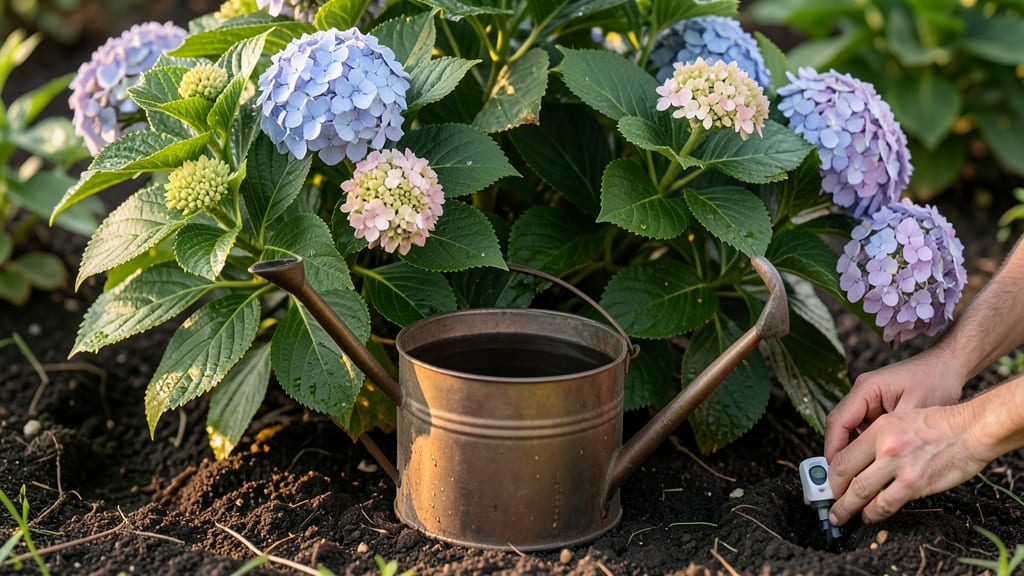
You don’t have to water flowers every day—most thrive with deep watering every 3 to 7 days, depending on the plant, soil, and weather.
Overwatering kills more plants than underwatering—and yet, gardeners constantly debate the "right" watering schedule. The truth? Most flowers don’t need daily hydration, but timing, soil type, and climate create a science-backed balance that keeps them thriving without waste.
Drought-tolerant varieties like lavender or succulents can go weeks between drinks, while moisture-loving roses may need weekly attention. The key is checking soil moisture and adjusting for seasonal shifts, so you’re not guessing but growing.
Below, I’ll break down the science of watering—when to soak, when to hold off, and how to spot signs your flowers are thirsty (or drowning) before it’s too late.


How often should you water flowers based on plant type and climate?
Most gardeners assume flowers need daily watering, but the truth is far more nuanced. Daily hydration is only necessary for container-grown plants or extreme heatwaves. In reality, your watering schedule should align with plant type, soil drainage, and local climate.
For example, succulents thrive on neglect, while tropical hibiscus wilt without consistent moisture. Let’s break down the science-backed intervals to keep your garden flourishing without waste.
The key to perfect watering lies in understanding your plant’s root depth and environmental stressors. A shallow-rooted annual like petunias needs frequent, light watering, while a deep-rooted perennial such as lavender can survive on weekly deep soaks.
Humidity also plays a role: Arid climates dry soil faster, while coastal gardens may require less frequent watering due to natural moisture. Let’s compare the needs of common flower types to help you tailor your routine.
Your local climate is the biggest wildcard in watering schedules. In hot, dry regions like Arizona or California, even drought-tolerant plants may need daily watering during heatwaves. Meanwhile, in humid climates like Florida or the Pacific Northwest, soil stays moist longer, reducing your watering frequency by 30-50%.
Always check the top 1-2 inches of soil—if it’s dry, it’s time to water. Use your finger as a guide: dry soil signals thirst, while cool, damp soil means wait.
5 Signs your flowers need water (and when to hold off)
Most gardeners assume flowers need daily watering, but that’s a common myth. In reality, overwatering causes more plant deaths than underwatering. Instead of sticking to rigid schedules, learn to read your flowers’ visual and tactile cues—they’ll tell you exactly when they’re thirsty or getting too much moisture.
The key is observing leaf texture, soil conditions, and root health to adjust your watering routine.
Before grabbing your hose, check for these five clear signs your flowers are asking for hydration—or when to pause and let them rest. Understanding these signals helps you avoid root rot while ensuring your blooms stay vibrant.
Adaptive watering based on these cues saves time, water, and keeps your garden thriving without guesswork.
🌱 5 Signs Your Flowers Need Water
- 🌿 1. Wilting Leaves or Stems
- 💧 2. Dry, Crumbly Soil
- 🍂 3. Yellowing or Drooping Leaves
- 🌡️ 4. Soil Pulls Away from Pot Edges
- 🪴 5. Slow Growth or No New Blooms
Wilting leaves or stems are the most obvious sign your flowers need water. Unlike floppy stems from overwatering (which feel mushy), thirsty plants wilt because their cells lose turgor pressure. Gently squeeze the stem—if it snaps easily, it’s dehydrated. Morning wilting that recovers by afternoon is normal, but persistent wilting means it’s time to water deeply.
Dry, crumbly soil is another clear indicator. Stick your finger 1-2 inches deep—if the soil feels like sand or pulls apart easily, roots aren’t getting enough moisture. For container plants, lift the pot: if it’s light as a feather, water immediately. Clay soil holds moisture longer, while sandy soil dries out faster—adjust your watering accordingly.
Yellowing or drooping leaves can signal overwatering or underwatering, but check the leaf edges first. Brown, crispy edges mean underwatering, while yellowing from the bottom up often points to root rot from excess moisture. Dahlias and petunias are especially sensitive—yellow leaves usually mean they’re thirsty, not drowning.
When soil pulls away from pot edges, it’s a sign the roots have shrunk from lack of water. This is common in terracotta pots, where moisture evaporates quickly. Mulching with straw or shredded bark helps retain moisture and slows evaporation.
For in-ground flowers, a 2-inch layer of mulch can reduce watering needs by up to 30%.
Slow growth or no new blooms is your flowers’ way of saying, “I’m struggling!” While some perennials dormant in winter, most flowers need consistent moisture to produce buds. If your roses or zinnias stop blooming, check soil moisture first—deep watering once a week often works better than daily shallow drinks.
Remember: Not all flowers need daily watering. Succulents and lavender thrive on weekly watering, while impatiens and geraniums may need daily hydration in summer heat.
Always water in the morning to prevent fungal diseases and let foliage dry before nightfall. Trust your plants—they’ll show you exactly what they need! 🌸