
Orchid Care
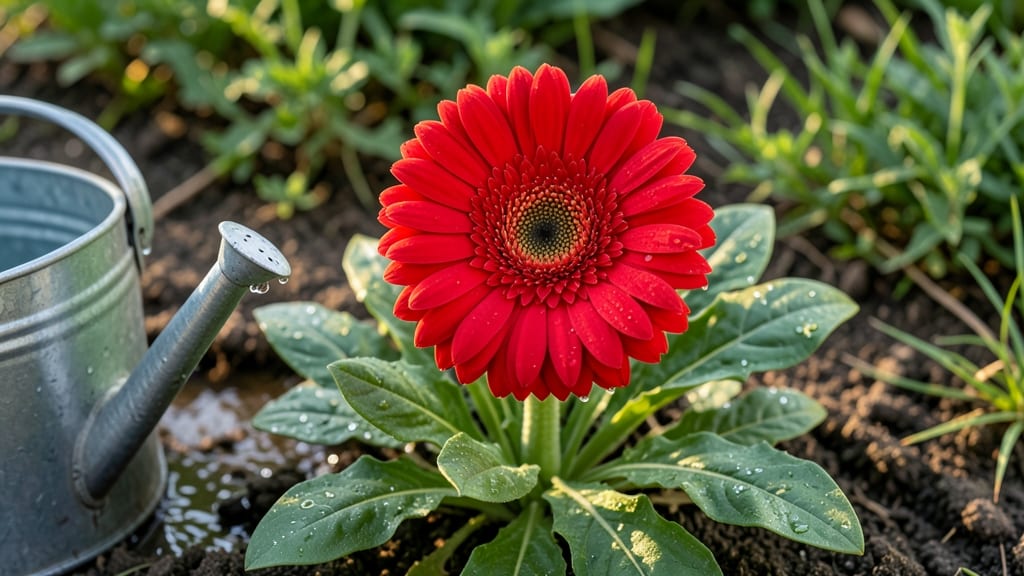
Watering gerbera daisies correctly keeps those bright 🌼 blooms thriving while avoiding soggy roots that rot.
Struggling to keep your gerbera daisies blooming beautifully without turning their roots into a soggy mess? The secret lies in mastering the perfect watering balance—and a simple soil dry test is your best ally.
These sun-loving flowers crave moisture but hate soggy feet. Too much water leads to moldy stems, while too little causes wilted petals. The key is checking soil moisture at the right depth before each watering.
In this guide, you’ll learn the exact soil dry test method, seasonal adjustments, and how to fix common watering mistakes—so your gerbera daisies stay vibrant all season long.


How to perform the soil dry test for gerbera daisies
Gerbera daisies thrive when their soil moisture stays balanced—neither bone-dry nor soggy. The soil dry test is my go-to method to check if your plants need water without guessing.
This simple technique helps prevent root rot while keeping those vibrant gerbera blooms healthy. The key? Testing at the right depth and understanding what the soil should feel like.
Before sticking your finger in the soil, wait until the top layer feels dry to the touch. Gerbera daisies prefer consistently moist soil, but their roots need air too. Overwatering is a common mistake, and it often starts with ignoring this basic check.
I’ve seen wilted gerbera leaves and yellowing petals from both over- and under-watering—this test fixes both problems.
Here’s how to do it right, step by step:
Test your soil in the morning after the sun has dried the surface slightly. Avoid testing after a recent watering or heavy rain, as this gives a false "wet" reading.
Gently push your index finger 1-2 inches deep into the soil near the plant’s base. This depth matches where most gerbera roots are actively growing.
Ideal: Soil should feel lightly moist but not clingy. A slight resistance when squeezed indicates perfect hydration. Too Dry: Soil crumbles easily—water immediately. Too Wet: Soil feels slick or sticks to your finger—wait 1-2 days before watering again.
Look for wilted leaves or yellowing petals—these often mean the soil is either too dry or waterlogged. Pair this test with visual cues for accuracy.
If soil is dry at 1-2 inches, water deeply at the base until moisture reaches 3-4 inches down. Avoid overhead watering, which can cause fungal mold on petals.
For container-grown gerbera daisies, the soil dries out faster than in-ground plants. Test the soil daily during hot summer months and reduce frequency in cooler seasons. I’ve noticed that pots without drainage holes trap excess water, so always use containers with holes and a well-draining mix.
Yellowing gerbera petals or moldy soil around the base? These are red flags for overwatering. Let the soil dry out completely between waterings, and consider repotting if drainage is poor. Underwatering shows up as dry, crispy leaves—water thoroughly until it drains from the bottom of the pot.
Pro tip: Use a moisture meter for precision, especially if you’re new to this method. Over time, you’ll develop a feel for the perfect moisture level. The goal is to mimic gerbera daisies’ natural habitat—well-drained, consistently moist soil without waterlogging.
Remember, gerbera daisies are sun-loving plants, and their water needs change with the seasons. In summer heat, they may need daily checks, while winter dormancy reduces watering to every 10-14 days. Stay consistent, and your gerberas will reward you with bold, long-lasting blooms all season.
🌼
Gerbera daisy watering schedule by season (with soil type adjustments)
Gerbera daisies thrive on a consistent moisture balance, but their water needs shift dramatically with the seasons. In summer's heat, they may need daily hydration, while winter dormancy reduces their requirements to just a sip every two weeks.
The key is adapting to your local climate and soil type—sandy soil drains faster than clay, and containers dry out quicker than garden beds.
Your soil type plays a crucial role: sandy soil requires more frequent watering because it drains quickly, while clay soil holds moisture longer, risking root rot if overwatered. Containers need daily checks in summer, whereas in-ground plants can go slightly longer between waterings.
Always water at the base of the plant to keep petals dry and prevent fungal diseases like powdery mildew.
| Season | Frequency (Sandy Soil) | Frequency (Clay Soil) | Container Adjustment | Key Tip |
|---|---|---|---|---|
| Spring | Every 3-4 days | Every 5-6 days | Water every 2-3 days | Increase frequency as temps rise |
| Summer | Daily or every 2 days | Every 3-4 days | Water every 1-2 days | Morning watering prevents evaporation |
| Fall | Every 5-6 days | Every 7-8 days | Water every 4-5 days | Reduce as temps drop below 70°F |
| Winter | Every 2 weeks | Every 3-4 weeks | Water every 3 weeks | Let soil dry completely |
In spring, your gerbera daisies signal their thirst by drooping slightly in the afternoon.
This is your cue to water deeply—aim for 1 inch of moisture per week, adjusting for rainfall. Mulch around the base to retain moisture and regulate soil temperature, which is especially helpful in sandy soil that drains too quickly.
For container-grown daisies, check moisture daily by lifting the pot—if it feels light, it’s time to water.
Summer heat demands vigilance: water in the early morning to minimize evaporation and fungal risks. If your clay soil stays soggy for more than 24 hours, reduce watering to prevent root rot. A self-watering pot or drip irrigation system can help maintain consistent moisture without overdoing it. Watch for yellowing leaves or drooping petals, which often signal underwatering or overwatering.
As fall temperatures drop, cut back on watering gradually. By winter, your gerbera daisies may enter dormancy, needing only enough water to keep the soil slightly moist. If you’re in a humid climate, reduce winter watering further to avoid fungal issues.
Always water at the soil level and avoid wetting the foliage to keep your plants healthy and vibrant through the colder months.
Pro tip: Use a moisture meter for accuracy, especially in containers or sandy soil. This tool removes guesswork and helps you adjust watering based on real-time soil conditions. With this seasonal guide, your gerbera daisies will reward you with bold, long-lasting blooms all year round! 🌼