
Watering
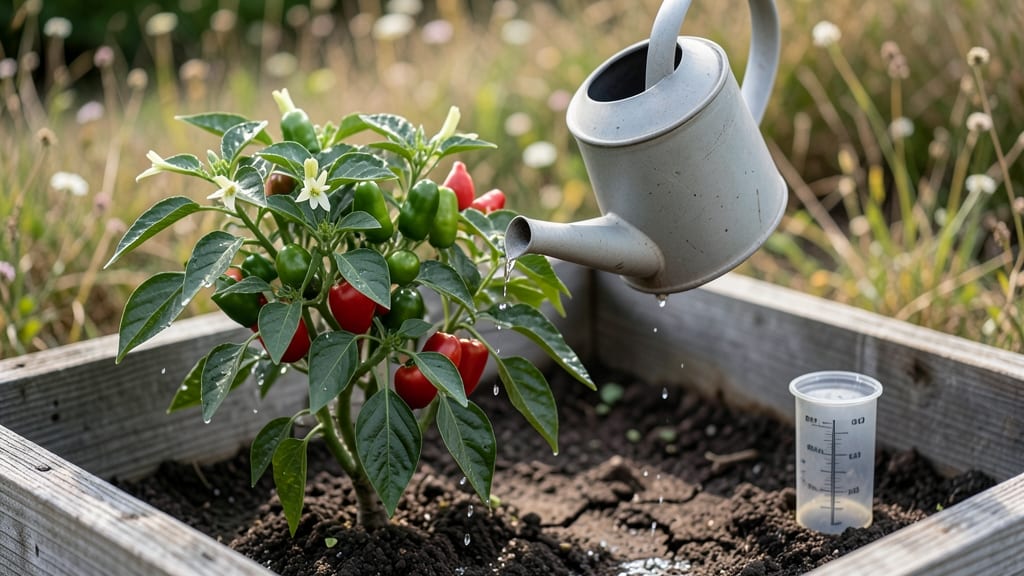
To water habanero pepper plants correctly, aim for consistent moisture—about every 2 to 3 days—while avoiding soggy soil that invites root rot or fungal diseases.
🌶️ Habanero peppers pack a fiery punch, but their watering needs are often misunderstood—overwatering can kill your plants while underwatering stunts their explosive growth. Master the perfect balance with science-backed soil tests and seasonal adjustments.
Young seedlings need frequent moisture, but mature plants with deep roots can handle slightly drier soil. The key is checking the top 1 to 3 inches of soil—if it feels dry, it’s time to water deeply, not just a quick sprinkle.
In this guide, you’ll discover how climate, soil type, and even container size change your watering routine, plus 5 signs your habaneros are thirsty (or drowning) and how to fix it fast.
The optimal watering schedule for habanero peppers by growth stage
Growing habanero peppers requires precision—especially when it comes to watering. Unlike their milder cousins, these fiery plants demand consistent moisture without drowning in soggy soil. The key? Adjusting your watering routine based on growth stages, climate, and soil type.
Too much water causes root rot; too little stunts fruit production. Let’s break it down by stage so you can keep your plants thriving from seedling to harvest.
Most gardeners make the mistake of watering on a strict schedule rather than checking soil moisture. Habanero peppers need 1-1.5 inches of water per week during peak growth, but this changes as they mature.
The 1-3 inch soil dry test is your best friend—stick your finger into the soil at these depths. If it feels dry, it’s time to water. If it’s damp, wait another day. This method prevents both underwatering and overwatering, which can lead to blossom-end rot or fungal diseases.
For seedlings, the goal is to keep the soil consistently moist but not soggy. Use a spray bottle or gentle watering can to avoid disturbing delicate roots.
If you’re growing indoors, a humidity dome or pebble tray helps mimic outdoor moisture levels. Overwatering at this stage is more dangerous than underwatering—root rot can set in within days.
Once your habaneros enter the vegetative stage (4-8 weeks), you’ll notice faster growth. This is when you can gradually reduce frequency but increase water volume. Let the top 1-2 inches of soil dry out between waterings.
In sandy soil, which drains quickly, you may need to water every 2-3 days. In clay soil, which holds moisture longer, stretch it to every 4-5 days. Always water at the base of the plant to keep foliage dry and prevent fungal issues like powdery mildew.
During the flowering stage (8-12 weeks), habaneros need deep, infrequent watering to encourage strong root systems. This is when you’ll see the first flowers—and eventually, those fiery peppers!
Water deeply until it runs out the drainage holes (for container plants) or seeps into the soil 6-8 inches down (for in-ground plants). Morning watering is ideal because it gives leaves time to dry before evening, reducing the risk of bacterial spot or blossom-end rot.
The fruiting stage (12+ weeks) is the most critical for watering. Your plants are now producing energy for those spicy peppers, and consistent moisture is key. Let the soil dry to <
5 Signs your habanero plants are thirsty (or drowning) and how to fix it
Habanero peppers are sensitive to moisture imbalances, and their leaves tell the story of whether they're thirsty or drowning. I've learned the hard way that wilting and yellowing aren't always about water—sometimes it's about root health or nutrient stress.
Let's decode these signs so you can rescue your plants before it's too late.
First, check the soil moisture with your finger—if the top 1-2 inches feel dry, your habanero is likely thirsty. But if the soil stays soggy for days, you're risking root rot.
The key is consistent moisture, not saturation. I always water deeply in the morning to let excess drain away.
For wilting plants that don't perk up after watering, the issue might be root-bound containers or compacted soil. I always loosen the soil around habaneros with a fork to encourage root growth.
If your plants are in pots, consider upgrading to a 5-gallon container—they need room for those fiery roots!
Remember, habaneros are tropical plants that crave consistency. I've found that drip irrigation on a timer eliminates guesswork, especially during hot summers when evaporation speeds up. Adjust your watering routine based on the season—more in summer, less in fall.
When in doubt, I always check the soil temperature—habaneros struggle when roots get too cold (below 60°F). Use a soil thermometer to confirm, and protect plants with row covers if nights dip too low. Your peppers will thank you with bold flavors and vibrant colors! 🌶️