
Flowers
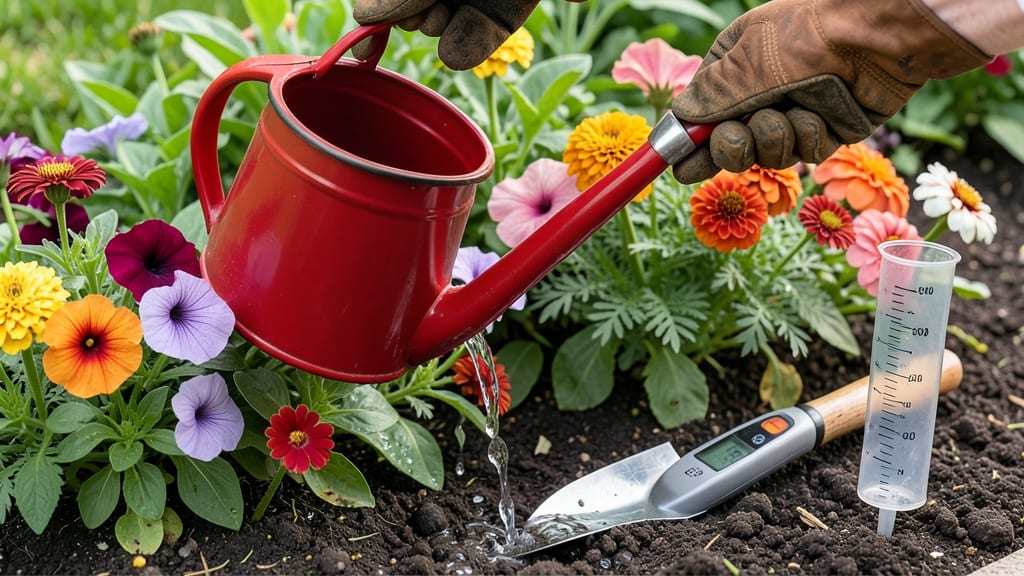
Watering flowers for 10 to 30 minutes at a time is the sweet spot—long enough to soak the roots but short enough to avoid drowning them 🌸.
Overwatering or underwatering your flowers can mean the difference between a vibrant garden and a sad, wilting landscape—so how long should you really water them?
Most flowers need deep watering that reaches 6 to 12 inches down, depending on the plant type. Succulents like 10 minutes every 5 to 7 days, while thirsty roses may need 30 minutes every 2 to 3 days in summer.
Below, I’ll break down the exact timing for spring, summer, and fall, plus how to tell if you’re overdoing (or underdoing) it. No more guesswork—just healthy blooms.


Optimal watering duration for flowers by season and plant type
Watering flowers isn't just about when—it's also about how long. Most gardeners focus on frequency, but watering duration determines whether roots get the moisture they need to thrive. A 5-minute sprinkle might feel like enough, but many flowers need 10-15 minutes of deep watering to reach their roots.
The key? Matching your watering time to your plant type and seasonal needs.
For example, succulents like aloe vera might only need 2-3 minutes of water every 2 weeks, while tropical hibiscus can demand 20+ minutes during summer heatwaves. Seasonal shifts also change the equation—spring calls for gentle soaks, while summer often requires longer, deeper sessions to combat evaporation.
Let’s break it down by plant category and season so you can water like a pro.
Pro Tip: Always water in the early morning (before 10 AM) to reduce fungal risks and maximize absorption. Avoid evening watering, as damp foliage overnight invites powdery mildew and root rot. Use a timer or rain gauge to track duration—your flowers will thank you with vibrant blooms and strong stems.
| Plant Type | Season | Watering Duration | Soil Moisture Goal | Frequency |
|---|---|---|---|---|
| Annuals (e.g., Marigolds, Petunias) | Spring | 10-15 minutes | Top 1-2 inches moist | Every 2-3 days |
| Annuals | Summer | 20-30 minutes | Top 3-4 inches moist | Daily (early morning) |
| Perennials (e.g., Lavender, Coneflowers) | Spring/Fall | 15-20 minutes | Top 2-3 inches moist | Every 3-4 days |
| Perennials | Summer | 25-30 minutes | Top 4 inches moist | Every 2 days |
| Succulents (e.g., Sedum, Echeveria) | Spring/Fall | 2-3 minutes | Top 1 inch slightly damp | Every 2 weeks |
| Succulents | Summer | 5 minutes | Top 1 inch damp | Every 10-14 days |
| Tropical Flowers (e.g., Orchids, Hibiscus) | Spring/Summer | 20-30 minutes | Evenly moist (no soggy soil) | Daily (morning) |
| Tropical Flowers | Fall/Winter | 10-15 minutes | Top 1-2 inches moist | Every 3-5 days |
| Bulbs (e.g., Tulips, Daffodils) | Spring | 10 minutes | Top 1 inch moist | Every 4-5 days |
| Bulbs | Summer (dormant) | 5 minutes (light) | Top ½ inch barely damp | Every 2-3 weeks |
Let’s start with annuals, the workhorses of summer gardens. These thirsty plants—think petunias or geraniums—often need 10-15 minutes of watering in spring to encourage root growth. But by summer, crank that up to 20-30 minutes to combat heat stress.
The goal? Soak the soil until water drains 6 inches deep. Use a soil probe or your finger to check—if the soil feels dry past your first knuckle, water longer.
For perennials like lavender or black-eyed Susans, consistency is key. In spring and fall, 15-20 minutes every 3-4 days keeps them happy without overdoing it.
But summer’s intensity demands 25-30 minutes of deep watering every other day. Mulch heavily (2-3 inches of straw or wood chips) to lock in moisture and reduce evaporation. This saves time and prevents root stress.
Succulents and cacti are the rebels of the flower world—they’d rather drown than drink too much. In spring and fall, a 2-3 minute soak every 2 weeks is plenty. Summer’s heat might warrant 5 minutes, but never let water pool at their base. These plants store moisture in their leaves, so overwatering kills them faster than underwatering. Always let the soil dry completely between waterings.
Tropical flowers like hibiscus or orchids mimic their humid native habitats. They crave 20-30 minutes of watering daily in summer, with soil staying evenly moist but not soggy. In fall and winter, cut back to 10-15 minutes every 3-5 days.
Use a well-draining pot with a bottom drainage hole—these plants hate "wet feet." Group them together to create a microclimate that retains humidity.
Don’t forget
Signs your flowers need more (or less) water—and how to adjust
Your flowers are like little mood rings—they tell you exactly what they need, often through subtle visual cues.
One of the most common mistakes I see is ignoring these signals until it’s too late. Wilting leaves, yellowing foliage, or mushy stems are all red flags, but they don’t always mean the same thing. Understanding these signs helps you adjust your watering routine before damage sets in.
For example, morning wilting that recovers by afternoon usually means your flowers are thirsty, while evening wilting paired with yellow leaves could signal overwatering. The key is observing both the time of day and the type of wilting to diagnose the issue accurately.
Let’s break down what each sign means and how to fix it.
Most flowers need 5-10 minutes of watering per session in well-draining soil, but this varies by plant type. Succulents and cacti only need 2-3 minutes every 2 weeks, while tropical flowers like hibiscus may require 15-20 minutes daily in peak summer. Always check soil moisture first—stick your finger 1 inch deep; if it’s dry, water thoroughly until it drains from the bottom.
If your flowers show crispy brown edges on leaves, they’re likely underwatered. This is especially common in potted flowers where soil dries out faster. The fix? Water deeply until it runs out the drainage holes, then let the top inch of soil dry out before watering again.
For ground-planted flowers, aim for 1-2 inches of water per week, including rainfall. Use a rain gauge to track amounts accurately.
On the flip side, yellowing leaves that start at the bottom of the plant often signal overwatering. This is a classic sign of root rot, where roots suffocate in soggy soil. If you notice this, stop watering immediately and let the soil dry out completely.
For severely affected plants, trim away mushy roots and repot in fresh, well-draining soil. Adding perlite or sand can improve drainage for future watering sessions.
Another telltale sign is mold or fungus on soil or stems, which thrives in damp conditions. This is your cue to adjust your watering schedule. Switch to morning watering to give foliage time to dry, and avoid overhead watering.
Instead, use a soaker hose or drip irrigation to deliver water directly to the roots. This method reduces fungal risks while keeping the soil consistently moist without oversaturating it.
Don’t forget to consider your local climate and seasonal changes. In summer, flowers may need daily watering during heatwaves, while winter often means reducing water to every 2-3 weeks.
Mulching around your plants helps retain moisture and regulate soil temperature, cutting down on how often you need to water. Aim for a 2-3 inch layer of mulch to keep roots happy year-round.
By tuning into these visual cues and adjusting your watering habits, you’ll keep your flowers thriving with minimal effort. The key is balance—neither drowning nor dehydrating them. Start with the finger test, observe their daily behavior, and adjust as needed.
Your garden will thank you with vibrant blooms and healthy growth all season long! 🌸